













UNIVERSITY OF CHICAGO PRESS- 9780226469409
"The finest translation of Homer ever made into the English language."--William Arrowsmith "Certainly the best modern verse translation."--Gilbert Highet "This magnificent translation of Homer''s epic poem . . . will appeal to admirers of Homer and the classics, and the multitude who always wanted to read the great "Iliad" but never got around to doing so."--"The American Book Collector" "Perhaps closer to Homer in every way than any other version made in English."--Peter Green, "The New Republic" "The feat is decisive that it is reasonable to foresee a century or so in which nobody will try again to put the "Iliad" in English verse."--Robert Fitzgerald "Each new generation is bound to produce new translations. Lattimore] has done better with nobility, as well as with accuracy, than any other modern verse translator. In our age we do not often find a fine scholar who is also a genuine poet and who takes the greatest pains over the work of translation."--Hugh Lloyd-Jones, "New York Review of Books" "Over the long haul Lattimore''s translation is more powerful because its effects are more subtle."--"Booklist" "Richmond Lattimore is a fine translator of poetry because he has a poetic voice of his own, authentic and unmistakable and yet capable of remarkable range of modulation. His translations make the English reader aware of the poetry."--Moses Hadas, "The New York Times"
Especificaciones del producto
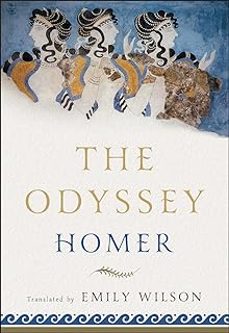
Escrito por Homero
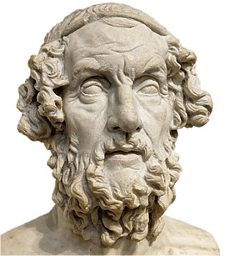
Homero (c. siglo VIII a. C.) es el nombre por el que se conoce al poeta griego a quien se atribuye la autoría de la Ilíada y la Odisea. Junto a estas dos grandes epopeyas de la Antigüedad, que narran hechos legendarios supuestamente ocurridos muchos siglos antes de la época en que fueron escritas, figuran también los llamados himnos homéricos, que fueron una influencia fundamental en la tradición de la poesía oral.
Existen numerosas hipótesis sobre la identidad de Homero y sobre el hecho de si su obra fue escrita por uno o varios poetas, pero todos los expertos coinciden en que la tradición tiene un peso crucial en su imaginario. En el siglo XIX el célebre arqueólogo prusiano Heinrich Schliemann demostró que gran parte de la civilización descrita por Homero no es ficticia y que, hasta cierto punto, los poemas se podrían considerar como documentos históricos. Este hallazgo arqueológico ha abierto un debate todavía vigente.
¡Sólo por opinar entras en el sorteo mensual de tres tarjetas regalo valoradas en 20€*!