INGLÉS EPUB sin DRM eBook
PHAEDO | eBook
Enriched edition.
Por Platón
Léelo en cualquier dispositivo Descárgalo y empieza a leer ya
La compra de eBooks para España debe realizarse desde: vivlio.casadellibro.com
Sinopsis
In "Phaedo," Plato masterfully presents a dialogue that explores the nature of the soul, the immortality of life, and the philosophical implications of death. Set in the final hours of Socrates before his execution, this work combines rich philosophical discourse with poignant narrative. The literary style reflects the Socratic method, engaging readers in rigorous reasoning while presenting allegories and metaphors, such as the famous Allegory of the Cave. The context of the dialogue is deeply rooted in Platos idealism, presenting a thoughtful examination of ethical living and the pursuit of truth, making it a cornerstone of Western philosophy. Plato, a student of Socrates, was profoundly influenced by his mentors trial and death, which galvanized his philosophical inquiries into the nature of existence and ethics. Writing in the 4th century BCE, Plato sought to immortalize Socratic thought, encapsulating the dialectic process and emphasizing the importance of knowledge and virtue. His experiences and intellectual environment at the Academy fueled the conversations found in "Phaedo," making it a significant piece that both preserved and transformed philosophical thought. This seminal text is highly recommended for anyone seeking a deeper understanding of existential questions and the philosophical underpinnings of Western thought. "Phaedo" invites readers to reflect upon the nature of life and the psyche, making it an indispensable read for students, educators, and anyone intrigued by the timeless questions of existence.
In this enriched edition, we have carefully created added value for your reading experience:
- A succinct Introduction situates the works timeless appeal and themes.
- The Synopsis outlines the central plot, highlighting key developments without spoiling critical twists.
- A detailed Historical Context immerses you in the eras events and influences that shaped the writing.
- An Author Biography reveals milestones in the authors life, illuminating the personal insights behind the text.
- A thorough Analysis dissects symbols, motifs, and character arcs to unearth underlying meanings.
- Reflection questions prompt you to engage personally with the works messages, connecting them to modern life.
- Hand‐picked Memorable Quotes shine a spotlight on moments of literary brilliance.
- Interactive footnotes clarify unusual references, historical allusions, and archaic phrases for an effortless, more informed read.
Léelo en cualquier dispositivo


Ficha Técnica
Editorial: Digicat
ISBN: 8596547029038
Idioma: Inglés
Fecha de lanzamiento: 28/05/2022
Especificaciones del producto

App gratuita de lectura Tagus
Ahora tu lectura es multidispositivo, con la App de Tagus, puedes tener todos tus libros en tu tablet y smartphone. Aprovecha cualquier momento para seguir disfrutando de las lecturas que más te gustan.
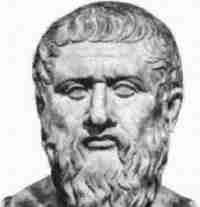
Recibe novedades de Platón directamente en tu email
Reseñas sobre PHAEDO (EBOOK)
Comparte tu experiencia con la comunidad lectora.
0 Reseñas
5 0
4 0
3 0
2 0
1 0
Sólo por opinar entras en el sorteo mensual de tres tarjetas regalo valoradas en
20€
Publicar una opinión supone haber leído y aceptado las
bases del sorteo
"Tu opinión tiene premio".