





📱 eBook en inglés RUY BLAS

CLXBX- 9782118423650

Sinopsis de RUY BLAS

Ruy Blas is one of Victor Hugos most powerful and emotionally charged dramas—a sweeping tale of love, honor, political corruption, and tragic destiny set in seventeenth-century Spain. First performed in 1838, this Romantic masterpiece blends poetic language with intense theatrical action, creating a story that is both deeply personal and boldly political.
At the center of the drama stands Ruy Blas, a humble servant of noble character and extraordinary intelligence. Though born into poverty, he possesses integrity, passion, and a profound sense of justice. His secret love for the Queen of Spain, a woman isolated within the rigid confines of court life, forms the emotional heart of the play. Yet their impossible romance unfolds within a world dominated by manipulation, pride, and moral decay.
The plot is set in motion by the vengeful Don Salluste, a disgraced nobleman determined to destroy the Queens reputation. Exploiting Ruy Blass devotion, he disguises him as a nobleman and introduces him into the royal court as part of a calculated scheme. What begins as an act of deceit becomes a transformative journey. Ruy Blas, through his intelligence and compassion, rises to a position of political influence, exposing corruption and advocating for justice in a decaying aristocratic system.
Victor Hugo masterfully contrasts social classes, highlighting the hypocrisy of the ruling elite while elevating the dignity and moral superiority of the common man. Through Ruy Blas, Hugo champions the Romantic ideal of individual worth transcending birth and status. The play becomes not only a tragic love story but also a sharp critique of political corruption and social inequality.
The emotional tension intensifies as Ruy Blas struggles between loyalty to his benefactor, devotion to the Queen, and his own sense of honor. His rise is shadowed by the secret of his true identity, and the inevitable revelation leads to a climax of sacrifice and heartbreak. Hugos poetic dialogue heightens the drama, imbuing each confrontation with grandeur and intensity.
Rich in passion, intrigue, and moral conflict, Ruy Blas stands as one of Hugos greatest theatrical achievements. It captures the spirit of Romanticism with its emphasis on emotion, heroism, and the triumph—and tragedy—of the individual soul. At once intimate and political, the play explores timeless themes of love, power, identity, and sacrifice.
A compelling blend of romance and revolution, Ruy Blas remains a powerful work of world drama, offering readers and audiences alike a moving portrait of courage and devotion in a world shaped by ambition and betrayal.

Léelo en cualquier dispositivo


Ficha técnica


Editorial: Clxbx

ISBN: 9782118423650

Idioma: Inglés

Fecha de lanzamiento: 18/02/2026


Especificaciones del producto


App gratuita de lectura Tagus

Ahora tu lectura es multidispositivo, con la App de Tagus, puedes tener todos tus libros en tu tablet y smartphone. Aprovecha cualquier momento para seguir disfrutando de las lecturas que más te gustan.
Ver más

Escrito por Victor Hugo


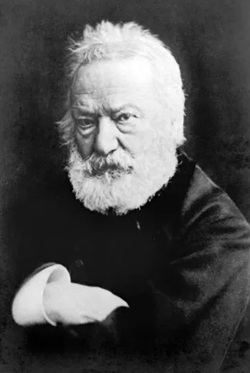
Victor Hugo

Victor Hugo (1802-1885) nació en Besançon, Francia. Educado en escuelas privadas de París, empezó a escribir siendo muy joven. Poeta, novelista y dramaturgo, llevó a sus obras su espíritu inconformista, que sazonó con grandes dosis de sentimentalismo y anécdotas históricas. En sus obras, exponentes máximos del romanticismo literario, siempre volcó su ideología liberal, que le obligó a exiliarse de su país en más de una ocasión. Tras el volumen de poesía Odas y poesías diversas (1822), las novelas Han de Islandia (1823) y Bug-Jargal (1824), y los poemas de Odas y baladas (1826), escribió Cromwell (1827), extenso drama histórico, y Marion de Lorme (1829), obra teatral censurada por ser demasiado liberal. Pero no fue hasta 1830, con la publicación y el estreno de Hernani, posteriormente adaptada por Verdi, cuando logró el reconocimiento del público y de la crítica. A Hernani siguieron la novela Notre-Dame de París (1831), la obra teatral El rey se divierte (1832, adaptada por Verdi en Rigoletto), Lucrecia Borgia (1833), Claude Gueux (1834), Ruy Blas (1838) y Les Burgraves (1843), también obra teatral, que le supusieron su ingreso en la Academia Francesa en 1841. Durante el Segundo Imperio emigró a Bélgica, donde escribió la sátira Napoleón el pequeño (1852), el poema épico La leyenda de los siglos (1859-1883) y terminó la que sería su obra más extensa y famosa, Los miserables (1862). Regresó a Francia en 1870, donde siguió publicando: El noventa y tres (1874) y El arte de ser abuelo (1877). Murió en París, y sus restos fueron expuestos en el Arco de Triunfo y luego trasladados al Panteón, donde fue sepultado junto a las mayores celebridades francesas.

Descubre más sobre Victor Hugo
Recibe novedades de Victor Hugo directamente en tu email

Opiniones sobre RUY BLAS (EBOOK)


¡Sólo por opinar entras en el sorteo mensual de tres tarjetas regalo valoradas en 20€*!

Los eBooks más vendidos de la semana