
 Truman
 Imprescindibles
Más vendidos Libros más leídos eBooks más leídos Todos los libros Todos los libros Autores destacados Series y sagas
Recomendados Libros recomendados Autores destacados Libros que inspiran Vidas con historia LGTBIQ+ English books




Ficción
Literatura Contemporánea Estudios literarios Clásicos Cuentos Poesía Teatro Libros de bolsillo Sagas literarias
Géneros literarios Novela romántica y erótica Novela negra Novela histórica Narrativa fantástica Novela de ciencia ficción Novela de terror Narrativa de humor Narrativa de viajes

No Ficción
Ciencias y tecnología Biología Ciencias Ciencias naturales Divulgación científica Informática Ingeniería Matemáticas Medicina Salud y dietas Formación Idiomas Estilo de vida Libros de Cocina Guías de viaje Narrativa de viajes Deportes Libros de Juegos Manualidades
Humanidades Autoayuda y espiritualidad Ciencias humanas Derecho Economía y Empresa Psicología y Pedagogía Filosofía Sociología Filología Biblioteconomía Estudios filológicos Estudios lingüísticos Estudios literarios Historia y crítica de la Literatura



Infantil


Juvenil
#Jóvenes lectores Narrativa juvenil Clásicos adaptados Libros Wattpad Libros Booktok Libros de influencers Libros de Youtubers Libros Spicy Juveniles Libros LGTBIQ+ Temas sociales Libros ciencia ficción Libros de acción y aventura Cómic y Manga Juvenil Cómic Juvenil Manga Shonen Manga Shojo Autores destacados Jennifer L. Armentrout Eloy Moreno Nerea Llanes Hannah Nicole Maehrer
Libros de fantasía Cozy Fantasy Dark academia Hadas y Fae Romantasy Royal Fantasy Urban Fantasy Vampiros y hombres lobo Otros Misterio y terror Cozy mistery Policiaca Spooky Terror Thriller y suspense Otros
Libros románticos y de amor Dark Romance Clean Romance Cowboy Romance Mafia y amor Romance dramatico Romance dramatico Romcom Sport Romance Otros Clichés Enemies to Lovers Friends to Lovers Hermanastros Slow Burn Fake Dating Triángulo amoroso

Cómic y Manga
Novela gráfica Novela gráfica americana Novela gráfica europea Novela gráfica de otros países Personajes, series y sagas Series y sagas Star Wars Superhéroes Cómics DC Cómics Marvel Cómics otros superhéroes Cómics Valiant



Books in English 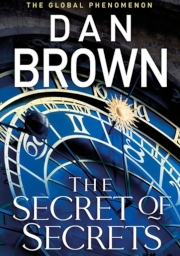
The Secrets Of Secrets
A thrilling and long-awaited new novel from Dan Brown


eBooks
Literatura Contemporánea Narrativa fantástica Novela de ciencia ficción Novela de terror Novela histórica Novela negra Novela romántica y erótica Juvenil Más de 13 años Más de 15 años Infantil eBooks infantiles
Humanidades Autoayuda y espiritualidad Ciencias humanas Economía y Empresa Psicología y Pedagogía Filosofía Historia Historia de España Historia Universal Arte Cine Música Historia del arte
Ciencia y tecnología Ciencias naturales Divulgación científica Medicina Salud y dietas Filología Estudios lingüísticos Estudios literarios Historia y crítica de la Literatura Estilo de vida Cocina Guías de viaje Ocio y deportes



Preventa de eBooks de Estudios generales
Te puede interesar
Categorias
Filtros
Del 1 al 4 de 4

O'HARE, MICK
Bedford Square Publishers 9781835015728
Discover the Wildest, Weirdest, and Most Wonderful Animals on Earth (and their surprising quirks)!Get ready for a mind-bending adventure through the animal kingdom packed with incredible trivia and jaw-dropping facts that will amaze the whole family.From strange species youve never heard of to the shocking secrets of the animals you thought you knew, this book is bursting with fascinating discoveries that will make you say, "Wait, what?!"Part One: Animals Youve Never Heard OfMeet natures lesser known creatures from the Great Potoo to a type of fish with human looking teeth and an amphibian that freezes solid and thaws out in the spring. These are the curious creatures you didnt even know existed, and every page reveals a completely surprising behaviour!Part Two: Familiar Faces, Unbelievable FactsThink you know pigs, dogs, and penguins? Think again! Discover the weird and wonderful habits of your favourite animals from an everyday garden insect that stretches in the morning (yes like like humans!) to a farmyard animal that plays football. Youll never look at your household pets (or your garden visitors!) the same way again.Perfect for:Curious kids (aged 8+), teens, and adults who love to learnFamilies looking for screen-free funTrivia buffs, fact fans, and anyone who enjoys saying Wow, I didnt know that!So whether youre sharing fun facts at the dinner table, keeping curious minds busy, or dazzling your friends with animal trivia, this is the ultimate fact-filled adventure.Discover the worlds wildest wonders one fascinating fact at a time!
Ver más
eBook
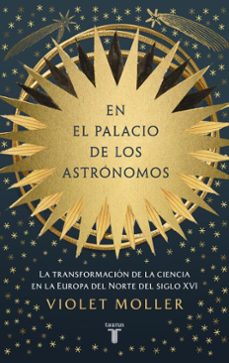
TAURUS 9788430627424
Un prodigioso viaje a la época en que la ciencia y la alquimia movían juntas el mundo.En 1543, Nicolás Copérnico declaró que la Tierra giraba alrededor del Sol, revolucionando siglos de presunción escolastica. Se vislumbraba una nueva era, guiada por la observacion, la tecnologia y la logica.Pero los presagios y los elixires no desaparecieron de manera instantanea de los laboratorios. Durante mucho tiempo, aun se podian encontrar amuletos y pociones entre relucientes instrumentos de metal y tomos encuadernados en cuero. La linea entre lo natural y lo sobrenatural seguia siendo porosa e indefinida.Desde el gelido observatorio danes de Tycho Brahe hasta el taller humeante y sulfuroso de John Dee, la historiadora Violet Moller nos traslada a los albores de la ciencia europea para revelarnos un deslumbrante mundo olvidado, donde todo conocimiento, por arcano que fuera, podia buscarse con buena fe.La critica ha dicho:En su lucido relato de esta era transformadora, la historiadora y podcaster Violet Moller muestra como las dos corrientes por un lado la practica y por otro la hermetica y magica interactuaron y se informaron mutuamente. New StatesmanUn analisis rico y atractivo sobre donde se produjo la actividad cientifica temprana y el contexto en el que florecio... Las vividas descripciones de Moller de laboratorios llenos de humo y talleres bulliciosos son estimulantes. Abundan los pasajes encantadores... El lector se sumerge en el mundo de la revolucion cientifica del siglo XVI. The Irish TimesUn entretenido analisis de las instalaciones utilizadas por los cientificos de los siglos XV y XVI... El cariño de Moller por los personajes, a menudo caoticos pero inspiradores, es palpable. Para ella, representan un legado de audacia interdisciplinaria, una disposicion a traspasar fronteras geograficas e intelectuales, asi como a fusionar teoria y practica. Los cientificos de la actualidad, confinados en sus campos, a menudo limitados, harian bien en tener presentes sus esfuerzos. The Wall Street JournalViolet Moller capta algo vital. Los academicos del norte, en efecto, construyeron nuevas comunidades de investigacion, cuyos miembros se irritaban e inspiraban mutuamente. Las lineas de comunicacion eran fragiles, pero vibraban con mensajes impactantes... Tras las fachadas de las casas de comerciantes, en sotanos y aticos, en las torres y terrazas construidas para Guillermo IV y Tycho, se abrian nuevos caminos hacia la imponente puerta del palacio mas grande de todos, el de la propia Naturaleza. The Times Literary Supplement
Ver más
eBook

PILCHER, HELEN
Atlantic Books 9781805461456
Illness is not simply a matter of biology. Our thoughts, conscious or otherwise, can make us feel pain or become unwell. If you experienced side effects from your Covid vaccine, the chances are that these were caused by your belief that you would experience them. When a nurse tells you this is going to hurt, it generally does - but perhaps it shouldnt.In this revelatory study, neuroscientist Helen Pilcher explores the hidden impact of the nocebo effect - the placebos evil twin. Medical studies have proven the nocebo effect to cause pain, nausea, paralysis, seizures, and even blindness. The nocebo effect impacts how we grow sick and grow old, explains why people who dont have food allergies have dietary intolerances, and why adults and teenagers are equally susceptible to catching tics through social media. From Havana Syndrome to hex deaths, chronic pain and mystery illnesses, this book explains what happens when illness, psychology and society meet - and shows us what we can do to become less ill and more well.
Ver más
eBook
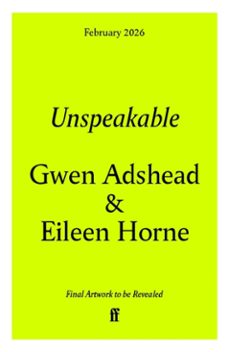
Faber & Faber 9780571385270
A wise, deep, nuanced and profoundly moving book.Siri HustvedtThoughtful, important and a reminder that hope belongs to everyone.Christie Watson The Sunday Times bestselling authors of The Devil You Know return with a life-affirming myth busting exploration of trauma, resilience and healing.A widow dares not utter her husbands name. A prisoner of war buries the memories of his ordeal. A child hostage is rendered mute. What happens when trauma goes unspoken?The pioneering psychiatrist and psychotherapist Dr Gwen Adshead invites us to witness her work with patients struggling in the wake of a range of distressing and painful life events. Drawn from over thirty years of clinical practice, Unspeakable illuminates how language - and silence - can dramatically affect the quality of our recovery after disaster. Sometimes the hardest words to say out loud are the very ones to set us free and with Adsheads assistance and extraordinary insight, these courageous people step out of the darkness of shame and fear to discover new possibilities.This is not a book about trauma, it is about survival. In challenging prevailing misconceptions around trauma and by charting the transformation of patient identities, hearts and minds, Unspeakable makes a powerful case for hope.
Ver más
eBook
Del 1 al 4 de 4