Truman
![harry potter y el cáliz de fuego (harry potter [ediciones ilustra das interactivas] 4)-j.k. rowling-9788419868497](https://imagessl7.casadellibro.com/a/l/s5/97/9788419868497.webp)






📗 Libro en inglés H.P. LOVECRAFT (BARNES & NOBLE COLLECTIBLE CLASSICS: OMNIBUS EDITION) : THE COMPLETE FICTION
STERLING PUBLISHING CO. INC.- 9781435122963
Sinopsis de H.P. LOVECRAFT (BARNES & NOBLE COLLECTIBLE CLASSICS: OMNIBUS EDITION) : THE COMPLETE FICTION
"H.P. Lovecraft fused supernatural horror with visionary science fiction; this volume collects together all of these writings. This is an exquisitely designed edition that features a silk-ribbon bookmark, distinctive gilt edging & marbled endpapers.
This is the perfect gift for book lovers and an artful addition to any home library. In the 1920s and '30s, H.P. Lovecraft pioneered a new type of fiction that fused elements of supernatural horror with the concepts of visionary science fiction.
Lovecraft's tales of cosmic horror revolutionised modern horror fiction and earned him the reputation of the most influential American writer of weird tales since Edgar Allan Poe. ""H.P. Lovecraft: The Complete Fiction"" collects for the first time in a single volume all of Lovecraft's groundbreaking fictions.
The book is exquisitely designed with bonded-leather bindings, distinctive gilt edging and an attractive silk-ribbon bookmark. Decorative, durable, and collectible, the ""Leatherbound Classics"" series offers hours of pleasure to readers young and old and is an indispensable cornerstone for any home library."
Ficha técnica
Editorial: Sterling Publishing Co. Inc.
ISBN: 9781435122963
Idioma: Inglés
Número de páginas: 1112
Tiempo de lectura:
23h 10m
Encuadernación: Tapa blanda
Fecha de lanzamiento: 30/04/2021
Año de edición: 2020
Especificaciones del producto
Escrito por H.P. Lovecraft
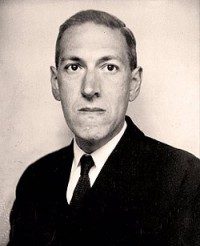
Nació en 1890 en Providence, Rhode Island. Hijo único, su padre murió cuando tenía ocho años, por lo que su educación recayó principalmente en su madre y su abuelo materno. Debido a su delicada salud, fue poco a la escuela y se convirtió en un joven solitario dedicado a la lectura, a la astronomía y a escribir. Trabajó ocasionalmente escribiendo cuentos para periódicos y revistas, y se relacionó, principalmente por carta, con un grupo amplio de escritores de la época. Se casó en 1924, pero su matrimonio duró apenas dos años. Su situación económica fue cada vez más precaria. Murió en 1937 sin que su obra tuviera gran repercusión. Sus relatos y novelas adquirieron la relevancia que tienen hoy en día años después de su muerte. Se le considera un gran impulsor del cuento de terror.
Fotografía: ©Lucius B. Truesdell
Recibe novedades de H.P. Lovecraft directamente en tu email
Opiniones sobre H.P. LOVECRAFT (BARNES & NOBLE COLLECTIBLE CLASSICS: OMNIBUS EDITION) : THE COMPLETE FICTION
¡Sólo por opinar entras en el sorteo mensual de tres tarjetas regalo valoradas en 20€*!