
 Truman
 Imprescindibles
Más vendidos Libros más leídos eBooks más leídos Todos los libros Todos los libros Autores destacados Series y sagas
Recomendados Libros recomendados Autores destacados Libros que inspiran Vidas con historia LGTBIQ+ English books




Ficción
Literatura Contemporánea Estudios literarios Clásicos Cuentos Poesía Teatro Libros de bolsillo Sagas literarias
Géneros literarios Novela romántica y erótica Novela negra Novela histórica Narrativa fantástica Novela de ciencia ficción Novela de terror Narrativa de humor Narrativa de viajes
No Ficción
Ciencias y tecnología Biología Ciencias Ciencias naturales Divulgación científica Informática Ingeniería Matemáticas Medicina Salud y dietas Formación Idiomas Estilo de vida Libros de Cocina Guías de viaje Narrativa de viajes Deportes Libros de Juegos Manualidades
Humanidades Autoayuda y espiritualidad Ciencias humanas Derecho Economía y Empresa Psicología y Pedagogía Filosofía Sociología Filología Biblioteconomía Estudios filológicos Estudios lingüísticos Estudios literarios Historia y crítica de la Literatura



Infantil



Juvenil
#Jóvenes lectores Narrativa juvenil Clásicos adaptados Libros Wattpad Libros Booktok Libros de influencers Libros de Youtubers Libros Spicy Juveniles Libros LGTBIQ+ Temas sociales Libros ciencia ficción Libros de acción y aventura Cómic y Manga Juvenil Cómic Juvenil Manga Shonen Manga Shojo Autores destacados Jennifer L. Armentrout Eloy Moreno Nerea Llanes Hannah Nicole Maehrer
Libros de fantasía Cozy Fantasy Dark academia Hadas y Fae Romantasy Royal Fantasy Urban Fantasy Vampiros y hombres lobo Otros Misterio y terror Cozy mistery Policiaca Spooky Terror Thriller y suspense Otros
Libros románticos y de amor Dark Romance Clean Romance Cowboy Romance Mafia y amor Romance dramatico Romance dramatico Romcom Sport Romance Otros Clichés Enemies to Lovers Friends to Lovers Hermanastros Slow Burn Fake Dating Triángulo amoroso

Cómic y Manga
Novela gráfica Novela gráfica americana Novela gráfica europea Novela gráfica de otros países Personajes, series y sagas Series y sagas Star Wars Superhéroes Cómics DC Cómics Marvel Cómics otros superhéroes Cómics Valiant




Books in English 
The Secrets Of Secrets
A thrilling and long-awaited new novel from Dan Brown



eBooks
Literatura Contemporánea Narrativa fantástica Novela de ciencia ficción Novela de terror Novela histórica Novela negra Novela romántica y erótica Juvenil Más de 13 años Más de 15 años Infantil eBooks infantiles
Humanidades Autoayuda y espiritualidad Ciencias humanas Economía y Empresa Psicología y Pedagogía Filosofía Historia Historia de España Historia Universal Arte Cine Música Historia del arte
Ciencia y tecnología Ciencias naturales Divulgación científica Medicina Salud y dietas Filología Estudios lingüísticos Estudios literarios Historia y crítica de la Literatura Estilo de vida Cocina Guías de viaje Ocio y deportes



MAGDALENA HOLZHEY
Magdalena Holzhey estudió historia del arte, italiano y musicología en Berlín y Pisa. Ha ocupado puestos académicos y de comisariado en galerías y museos, incluyendo el K20 Kunstsammlung Nordrhein-Westfalen de Düsseldorf. Ha publicado sobre arte moderno clásico y contemporáneo y actualmente prepara una disertación sobre Joseph Beuys.
Recibe novedades de MAGDALENA HOLZHEY directamente en tu email
Filtros
Del 1 al 3 de 3
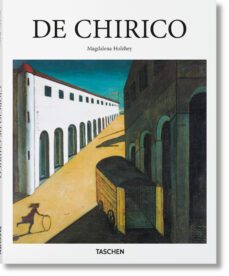
TASCHEN BENEDIKT 9783836546164
Con su Pittura metafisica, el pintor italiano nacido en Grecia Giorgio de Chirico tuvo una enorme influencia en la vanguardia del siglo XX. Afín al movimiento surrealista, desarrolló un estilo fascinante de perspectivas angulosas, sombras impresionantes, vacios inquietantes y figuras solitarias, siendo al tiempo irreal, angustioso y siniestro.Con su Pittura Metafisica, el pintor italiano nacido en Grecia Giorgio de Chirico (1888-1978) ejercio una notable influencia en la vanguardia europea de entreguerras, y fue aclamado por artistas de la talla de Pablo Picasso y Paul Eluard.La Pittura Metafisica del artista situaba figuras con aspecto de maniquies o estatuas en espacios con perspectiva de punto unico, como plazas de una ciudad, soportales que van disminuyendo de tamaño, paredes lejanas o interiores claustrofobicos. Las perspectivas angulosas, las sombras impresionantes, los planos geometricos y los vacios en el espacio conformaban composiciones dramaticas en las que se escondia una sensacion de ansiedad y soledad. Las pinturas buscaban inquietar, que el observador se replanteara la realidad y buscara bajo las apariencias recuerdos esquivos y percepciones inesperadas. Mientras que los surrealistas afines a Breton recurrian a las teorias del inconsciente de Freud, De Chirico se sentia fascinado por Nietzsche.Esta rigurosa introduccion al artista explora las inquietantes sombras y siniestros rincones de la Pittura Metafisica del pintor asi como su posterior progresion a un estilo mas clasico, un cambio muy criticado por los surrealistas que tanto admiraron sus primeras obras.
Ver más
Tapa dura

TASCHEN BENEDIKT 9783822839065
Inspired by the innovative use of color in Bauhaus art, Hungarian painter Victor Vasarely (1908-1997) developed his own abstract-geometric visual language, exploring the relationship between pure form and pure color. Vasarelys experimentation with optical effects in the 1940s and 50s earned him a central role in the evolution of Op Art. By the late 50s and early 60s, he concentrated on the democratization of art by no longer producing his works as expensive originals but in large editions of affordable screen prints; this attempt to redefine the position and function of the artist in society was an important first step in the Pop Art movement. Vasarelys boldly colorful and eye-popping paintings are instantly recognizable and remain entirely modern and relevant today. The author: Magdalena Holzhey studied art history, Italian, and musicology in Berlin and Pisa. She has held academic and curatorial positions in galleries and museums, including the K20 Kunstsammlung Nordrhein-Westfalen in Dusseldorf. She has published on classical modernism and contemporary art and is currently preparing a dissertation on Joseph Beuys.
Ver más
Tapa blanda
TASCHEN BENEDIKT 9783822841518
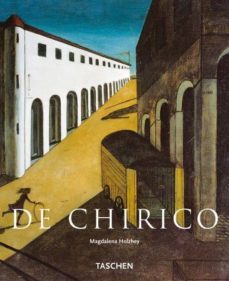
Greek-born Italian painter Giorgio De Chirico (1888-1978) was hugely influential in the early years of the Surrealist movement. His paintings during the teens in Paris, where he moved in 1911, caused such a stir that such important figures as Picasso and Paul Eluard immediately praised them. This phase of his work, which he later termed pittura metafisica (metaphysical painting) was marked by dramatic compositions involving sharp perspective, striking shadows, geometrical planes, voids of space, and a general feeling of anxiety and loneliness; the sense of absurdity evoked by the mannequin-like figures in almost nightmarish landscapes seemed to suggest a Freudian expression of the unconscious. After 1930, De Chirico turned to a more classical style of painting and continued in the same vein for the rest of his career; his later work was widely criticized, especially by the Surrealists who had so admired his early paintings.
Ver más
Tapa blanda
Del 1 al 3 de 3