La locura es algo que la modernidad considera como uno de los grandes flagelos que el pensamiento racional debe combatir. Y no hay malentendido más grande que éste. Ruth Padel, con un conocimiento que recuerda a los grandes sabios griegos, nos introduce en un mundo demencial de proporciones y sentidos insospechados, y alcanza puntos de reflexion sobre la locura que solo alguien con una gran erudicion y una agudisima inteligencia puede conseguir. Todo el libro gira alrededor de una frase canonica del pensamiento griego: A quien un dios quiere destruir, antes lo enloquece. La locura no es una simple enfermedad, es la forma en que los dioses se relacionan con los humanos cuando quieren comunicarles algo; pero sobre todo cuando los hombres cometen algun tipo de impiedad y deben ser destruidos. Solo entonces entendemos que la locura no es un estado permanente, sino una vivencia que delata la presencia de potencias que rigen nuestras vidas. Esto es lo que la autora nos explica a lo largo del libro, haciendo el recorrido por las figuras mas importantes de la locura en la tragedia griega, como lo son ate (exaltacion divina), menos (ardor), hamartia (error, pecado), la famosa melankholia (bilis negra), a la vez que aclara algunos de los conceptos que el psicoanalisis ha producido sobre el delirio humano. En este momento en que el sentido existencial de los hombres parece extraviado, este libro puede ser una guia o por lo menos un diagnostico de dicho extravio.
In this series, a contemporary poet selects and introduces a poet of the past. By their choice of poems and by the personal and critical reactions they express in their prefaces, the editors offer insights into their own work as well as providing an accessible and passionate introduction to some of the greatest poets of our literature.Sir Walter Ralegh, poet, scholar, soldier and explorer, travel-writer, historian and favourite courtier of Queen Elizabeth I, was born in Devon around 1552, knighted in 1584, imprisoned twice in the Tower of London, where he wrote his History of the World, and executed in 1618. Many famous poems attributed to him, like "The Passionate Mans Pilgrimage", may not actually be his. But, like the many poems written to him by the Queen and others, they testify to what Ralegh stood for in the Elizabethan age, as a poet and a man.
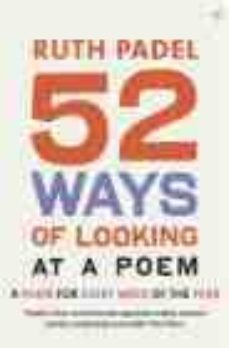
British poetry is in a wonderful state at present. Never have so many poets been saying so many interesting things in such lively, up-to-date ways. Yet many people feel shut out or know little about poetry and have no idea where to begin. In this groundbreaking book, Ruth Padel takes fifty-two of the poems she discussed in her newspaper column - a year's worth - and suggests ways of reading them. The poems are by a wide range of living poets, on experiences we all share - love, sex, death, nature, history, war - which show how reading a poem can enhance everyone's life as powerfully and as pleasurably as reading novels or watching a film.