INGLÉS EPUB sin DRM eBook
Crito | eBook
Enriched edition. Exploring Justice, Morality, and Civic Duty in Ancient Greece: A Philosophical Dialogue on Ethics and Conscience
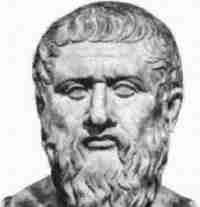
Por Platón
Léelo en cualquier dispositivo Descárgalo y empieza a leer ya
La compra de eBooks para España debe realizarse desde: vivlio.casadellibro.com
Sinopsis
In "Crito," Plato explores themes of justice, conscience, and the nature of the good life through a Socratic dialogue set in a prison cell. The text captures a pivotal moment where Socrates, faced with his impending execution, engages his loyal friend Crito in a profound discussion about the moral implications of escaping his sentence. Employing a conversational style representative of classical Greek philosophy, Plato highlights the conflict between individual desires and societal obligations. This dialogue not only reflects the philosophical discourse of the classical Athens period but also lays foundational ideas for Western political thought and ethics, effectively leading readers to ponder the significance of civic duty and personal integrity. Plato, a student of Socrates and teacher of Aristotle, composed "Crito" in the backdrop of his mentors trial and death. His philosophical inquiries often stem from a deep concern for the nature of justice and the moral fabric of society. By capturing Socrates stance in this dialogue, Plato not only honors his teachers legacy but also grapples with the profound dilemmas of life and mortality, pushing readers to confront their own values and beliefs. "Crito" is highly recommended for any reader interested in philosophy, ethics, and the ancient worlds reflections on justice. It challenges readers to examine their moral principles, encouraging introspection about the responsibilities we hold towards ourselves and the communities we inhabit. As such, this seminal work remains as relevant today as it was in ancient times.
In this enriched edition, we have carefully created added value for your reading experience:
- A succinct Introduction situates the works timeless appeal and themes.
- The Synopsis outlines the central plot, highlighting key developments without spoiling critical twists.
- A detailed Historical Context immerses you in the eras events and influences that shaped the writing.
- An Author Biography reveals milestones in the authors life, illuminating the personal insights behind the text.
- A thorough Analysis dissects symbols, motifs, and character arcs to unearth underlying meanings.
- Reflection questions prompt you to engage personally with the works messages, connecting them to modern life.
- Hand‐picked Memorable Quotes shine a spotlight on moments of literary brilliance.
- Interactive footnotes clarify unusual references, historical allusions, and archaic phrases for an effortless, more informed read.
Léelo en cualquier dispositivo


Ficha Técnica
Editorial: Good Press
ISBN: 4064066107499
Idioma: Inglés
Fecha de lanzamiento: 16/03/2020
Especificaciones del producto

App gratuita de lectura Tagus
Ahora tu lectura es multidispositivo, con la App de Tagus, puedes tener todos tus libros en tu tablet y smartphone. Aprovecha cualquier momento para seguir disfrutando de las lecturas que más te gustan.
Recibe novedades de Platón directamente en tu email
Reseñas sobre Crito
Comparte tu experiencia con la comunidad lectora.
0 Reseñas
5 0
4 0
3 0
2 0
1 0
Sólo por opinar entras en el sorteo mensual de tres tarjetas regalo valoradas en
20€
Publicar una opinión supone haber leído y aceptado las
bases del sorteo
"Tu opinión tiene premio".