
 Truman
 Imprescindibles
Más vendidos Libros más leídos eBooks más leídos Todos los libros Todos los libros Autores destacados Series y sagas
Recomendados Libros recomendados Autores destacados Libros que inspiran Vidas con historia LGTBIQ+ English books


Ficción
Literatura Contemporánea Estudios literarios Clásicos Cuentos Poesía Teatro Libros de bolsillo Sagas literarias
Géneros literarios Novela romántica y erótica Novela negra Novela histórica Narrativa fantástica Novela de ciencia ficción Novela de terror Narrativa de humor Narrativa de viajes
No Ficción
Ciencias y tecnología Biología Ciencias Ciencias naturales Divulgación científica Informática Ingeniería Matemáticas Medicina Salud y dietas Formación Idiomas Estilo de vida Libros de Cocina Guías de viaje Narrativa de viajes Deportes Libros de Juegos Manualidades
Humanidades Autoayuda y espiritualidad Ciencias humanas Derecho Economía y Empresa Psicología y Pedagogía Filosofía Sociología Filología Biblioteconomía Estudios filológicos Estudios lingüísticos Estudios literarios Historia y crítica de la Literatura


Infantil


Juvenil
#Jóvenes lectores Narrativa juvenil Clásicos adaptados Libros Wattpad Libros Booktok Libros de influencers Libros de Youtubers Libros Spicy Juveniles Libros LGTBIQ+ Temas sociales Libros ciencia ficción Libros de acción y aventura Cómic y Manga Juvenil Cómic Juvenil Manga Shonen Manga Shojo Autores destacados Jennifer L. Armentrout Eloy Moreno Nerea Llanes Hannah Nicole Maehrer
Libros de fantasía Cozy Fantasy Dark academia Hadas y Fae Romantasy Royal Fantasy Urban Fantasy Vampiros y hombres lobo Otros Misterio y terror Cozy mistery Policiaca Spooky Terror Thriller y suspense Otros
Libros románticos y de amor Dark Romance Clean Romance Cowboy Romance Mafia y amor Romance dramatico Romance dramatico Romcom Sport Romance Otros Clichés Enemies to Lovers Friends to Lovers Hermanastros Slow Burn Fake Dating Triángulo amoroso

Cómic y Manga
Novela gráfica Novela gráfica americana Novela gráfica europea Novela gráfica de otros países Personajes, series y sagas Series y sagas Star Wars Superhéroes Cómics DC Cómics Marvel Cómics otros superhéroes Cómics Valiant



Books in English 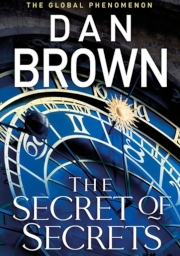
The Secrets Of Secrets
A thrilling and long-awaited new novel from Dan Brown


eBooks
Literatura Contemporánea Narrativa fantástica Novela de ciencia ficción Novela de terror Novela histórica Novela negra Novela romántica y erótica Juvenil Más de 13 años Más de 15 años Infantil eBooks infantiles
Humanidades Autoayuda y espiritualidad Ciencias humanas Economía y Empresa Psicología y Pedagogía Filosofía Historia Historia de España Historia Universal Arte Cine Música Historia del arte
Ciencia y tecnología Ciencias naturales Divulgación científica Medicina Salud y dietas Filología Estudios lingüísticos Estudios literarios Historia y crítica de la Literatura Estilo de vida Cocina Guías de viaje Ocio y deportes


Novedades del último mes en eBooks de Historia general del arte
Te puede interesar
Categorias
Filtros
Del 1 al 3 de 3
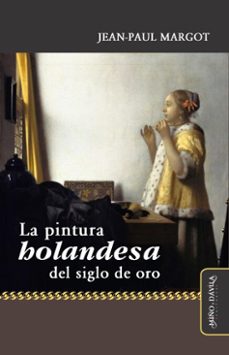
MARGOT, JEAN-PAUL
Miño y Dávila 9791387546465
La pintura holandesa del Siglo de Oro constituye uno de los momentos más singulares y revolucionarios de la historia del arte. Lejos de los grandes relatos mitológicos y religiosos que dominaron la tradicion italiana y flamenca, los artistas holandeses del siglo XVII volvieron su mirada hacia lo cotidiano: la vida domestica, los paisajes, los oficios, la intimidad burguesa y la naturaleza. Este "realismo" termino reivindicado por los criticos del siglo XIX fue, durante mucho tiempo, mal comprendido, hasta que autores como Theophile Thore-Burger, Hippolyte Taine y Eugene Fromentin le otorgaron un nuevo valor intelectual y estetico, demostrando que estas obras expresaban la identidad profunda de una nacion. El libro "explora este proceso de revalorizacion" y examina como estos criticos, influidos por las ideas de Hegel, interpretaron la pintura holandesa como la manifestacion del espiritu de una epoca. Su defensa del "ver por si mismo", centrada en la observacion directa de las obras, transformo para siempre la forma de estudiar el arte del siglo XVII y permitio rescatar a maestros que hoy consideramos fundamentales, como "Johannes Vermeer", antes casi desconocido. A partir de alli, el texto profundiza en la compleja relacion entre "realidad y apariencia", abordando como las escenas de genero, los paisajes y las naturalezas muertas esconden significados morales, politicos y simbolicos. La pintura holandesa no solo retrata la vida, sino que medita sobre ella: revela costumbres, construye identidades y produce "efectos de realidad" que impactan tanto en los espectadores del siglo XVII como en los de hoy. Con claridad y rigor, el libro muestra como esta tradicion pictorica disuelve la antigua oposicion entre realismo e idealismo, entre naturaleza e ideal, proponiendo nuevas formas de interpretar lo visible. A traves del analisis de autores clave, de la iconologia y de debates esteticos, esta obra invita a redescubrir un arte que convirtio lo cotidiano en una fuente inagotable de sentido. "Un recorrido profundo y accesible por una de las escuelas mas influyentes de la modernidad."
Ver más
eBook
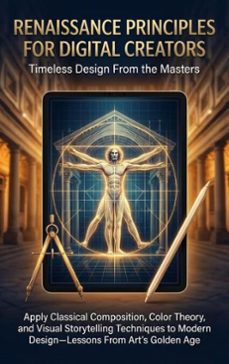
CARMICHAEL, ADRIAN
epubli 9783565159147
Renaissance masters solved visual problems that designers still face todaybalance, hierarchy, emotional impact, and viewer engagement. This guide translates their revolutionary techniques into practical applications for contemporary designers working across digital platforms, branding, UX, and visual communication.Discover applicable Renaissance innovations: mathematical perspective systems for creating depth and focus, golden ratio applications in layout and composition, chiaroscuro principles for dramatic lighting and emphasis, color harmony theories developed by Venetian masters, visual narrative techniques from religious altarpieces, symbolic systems for communicating complex ideas, and anatomical understanding that informs character design. Learn why these principles work psychologically and how to adapt them for screens, brands, interfaces, and modern visual challenges without replicating period aesthetics.Understand specific techniques through master analysis: Leonardos sfumato for subtle transitions and atmospheric depth, Michelangelos dynamic composition and movement, Raphaels balanced harmony and spatial organization, Titians revolutionary color relationships, Caravaggios theatrical lighting for emotional impact, and Botticellis linear grace and decorative integration. From analyzing how Renaissance artists directed viewer attention to understanding their solutions for visual hierarchy, studying their color strategies to examining their approaches to negative space, youll gain frameworks for applying proven visual principles to contemporary creative challenges.
Ver más
eBook
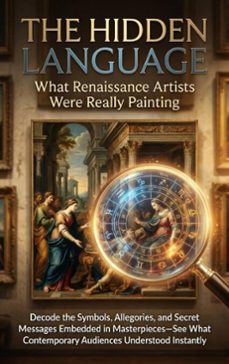
HAYES, CHARLOTTE
epubli 9783565159246
Renaissance paintings arent just beautifultheyre visual puzzles packed with meanings that contemporary viewers recognized immediately but modern audiences miss entirely. This guide teaches you to read the symbolic language that transforms every detail into purposeful communication, revealing layers of meaning hiding in plain sight.Discover the symbolic vocabulary: common religious iconography identifying saints and biblical scenes, mythological references conveying moral lessons, animal symbolism representing virtues and vices, flower and plant meanings communicating specific messages, color symbolism encoding emotional and spiritual states, gesture codes revealing relationships and intentions, architectural elements indicating sacred versus secular spaces, and clothing details signaling social status and character. Learn why specific objects appear repeatedly, what patrons wanted communicated about themselves, and how artists embedded multiple interpretation levels for different viewer sophistication.Understand context-dependent meanings: how the same symbol shifts meaning based on accompanying elements, why location within composition matters for interpretation, what Counter-Reformation pressure changed about religious symbolism, how humanist learning influenced mythological references, why certain symbols appear in portraits versus altarpieces, and how political messages were encoded safely. From analyzing famous works with fresh understanding to recognizing patterns across different artists and periods, identifying patron influence to appreciating artists wit and sophistication, youll gain frameworks for seeing Renaissance art as the intentional visual communication it was designed to be.
Ver más
eBook
Del 1 al 3 de 3