
 Truman
 Imprescindibles
Más vendidos Libros más leídos eBooks más leídos Todos los libros Todos los libros Autores destacados Series y sagas
Recomendados Libros recomendados Autores destacados Libros que inspiran Vidas con historia LGTBIQ+ English books




Ficción
Literatura Contemporánea Estudios literarios Clásicos Cuentos Poesía Teatro Libros de bolsillo Sagas literarias
Géneros literarios Novela romántica y erótica Novela negra Novela histórica Narrativa fantástica Novela de ciencia ficción Novela de terror Narrativa de humor Narrativa de viajes


No Ficción
Ciencias y tecnología Biología Ciencias Ciencias naturales Divulgación científica Informática Ingeniería Matemáticas Medicina Salud y dietas Formación Idiomas Estilo de vida Libros de Cocina Guías de viaje Narrativa de viajes Deportes Libros de Juegos Manualidades
Humanidades Autoayuda y espiritualidad Ciencias humanas Derecho Economía y Empresa Psicología y Pedagogía Filosofía Sociología Filología Biblioteconomía Estudios filológicos Estudios lingüísticos Estudios literarios Historia y crítica de la Literatura

Infantil


Juvenil
#Jóvenes lectores Narrativa juvenil Clásicos adaptados Libros Wattpad Libros Booktok Libros de influencers Libros de Youtubers Libros Spicy Juveniles Libros LGTBIQ+ Temas sociales Libros ciencia ficción Libros de acción y aventura Cómic y Manga Juvenil Cómic Juvenil Manga Shonen Manga Shojo Autores destacados Jennifer L. Armentrout Eloy Moreno Nerea Llanes Hannah Nicole Maehrer
Libros de fantasía Cozy Fantasy Dark academia Hadas y Fae Romantasy Royal Fantasy Urban Fantasy Vampiros y hombres lobo Otros Misterio y terror Cozy mistery Policiaca Spooky Terror Thriller y suspense Otros
Libros románticos y de amor Dark Romance Clean Romance Cowboy Romance Mafia y amor Romance dramatico Romance dramatico Romcom Sport Romance Otros Clichés Enemies to Lovers Friends to Lovers Hermanastros Slow Burn Fake Dating Triángulo amoroso

Cómic y Manga
Novela gráfica Novela gráfica americana Novela gráfica europea Novela gráfica de otros países Personajes, series y sagas Series y sagas Star Wars Superhéroes Cómics DC Cómics Marvel Cómics otros superhéroes Cómics Valiant




Books in English 
The Secrets Of Secrets
A thrilling and long-awaited new novel from Dan Brown



eBooks
Literatura Contemporánea Narrativa fantástica Novela de ciencia ficción Novela de terror Novela histórica Novela negra Novela romántica y erótica Juvenil Más de 13 años Más de 15 años Infantil eBooks infantiles
Humanidades Autoayuda y espiritualidad Ciencias humanas Economía y Empresa Psicología y Pedagogía Filosofía Historia Historia de España Historia Universal Arte Cine Música Historia del arte
Ciencia y tecnología Ciencias naturales Divulgación científica Medicina Salud y dietas Filología Estudios lingüísticos Estudios literarios Historia y crítica de la Literatura Estilo de vida Cocina Guías de viaje Ocio y deportes



Preventa de eBooks de Historia general del arte
Te puede interesar
Categorias
Filtros
Del 1 al 3 de 3
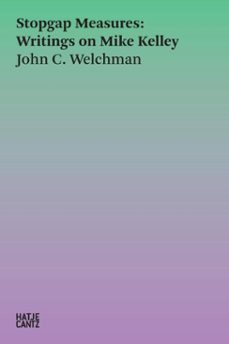
WELCHMAN, JOHN C.
Hatje Cantz Verlag GmbH 9783775756549
Stopgap Measures presents an exciting selection of essays, interviews and shorter pieces on the work of American artist Mike Kelley (19542012) written over more than three decades by the noted art historian and cultural critic John C. Welchman. Kelleys provocative career gave rise to some of the most conceptually and materially diverse work of recent times in performance, writing, painting, drawing, sculpture, banners, multimedia installation, appropriated objects and images and video, as well as numereous collaborations. This volume includes reflections on specific works, and features a signature series of pathbreaking essays on Kelleys innovations in photography and writing as well as explorations of major themes in his practice, research and thinking: physical comedy and verbal humor; memory; popular culture, dress-up and Americana; the uncanny; imaginative projection and dark fantasy; appropriation and giving; authorship and self-construction; and the artists littleremarked upon negotiation with the histories of and ideas about Asia. The book concludes with new essays on Kelleys engagement with animals and the nonhuman; and on the refrain disappearances that punctuate Kelleys career set in relation to specters of social catastrophe and nuclear annihilation.
Ver más
eBook
WELCHMAN, JOHN C.
Hatje Cantz Verlag GmbH 9783775756532
Stopgap Measures presents an exciting selection of essays, interviews and shorter pieces on the work of American artist Mike Kelley (19542012) written over more than three decades by the noted art historian and cultural critic John C. Welchman. Kelleys provocative career gave rise to some of the most conceptually and materially diverse work of recent times in performance, writing, painting, drawing, sculpture, banners, multimedia installation, appropriated objects and images and video, as well as numereous collaborations. This volume includes reflections on specific works, and features a signature series of pathbreaking essays on Kelleys innovations in photography and writing as well as explorations of major themes in his practice, research and thinking: physical comedy and verbal humor; memory; popular culture, dress-up and Americana; the uncanny; imaginative projection and dark fantasy; appropriation and giving; authorship and self-construction; and the artists littleremarked upon negotiation with the histories of and ideas about Asia. The book concludes with new essays on Kelleys engagement with animals and the nonhuman; and on the refrain disappearances that punctuate Kelleys career set in relation to specters of social catastrophe and nuclear annihilation.
Ver más
eBook

MORLEY, PAUL
Faber & Faber 9780571379262
Art is my life and my life is art . . .The story of the twentieth-century avant-garde is a story of resistance, of the outsider, of strangeness, of individual freedom, of rejecting the ordinary and overcoming marginalisation through self-invention. It is also a story that can be told through the prism of one of its most renowned figureheads: Yoko Ono.From her early life escaping aristocratic Japanese society and the horrors of World War II to adventurous and productive exile in New York, Onos work built upon the histories of Dada, surrealism, Zen Buddhism, and experimental music. A significant influence on the elusive Fluxus artistic network, she was connected to all its major personalities. Pursuing dreams of revolutionary liberation and aiming to recreate shattered post-war reality through performance, art and text, she established a legacy - despite her tumultuous personal life - as one of the most visionary artists and activists of her generation.Marking the intersection of biography, cultural history and artistic meditation, Love Magic Power Danger Bliss explores the deep history and vitality of the 20th century avant-garde movement and the inspiring, provocative figure who became its most celebrated, most misunderstood icon.
Ver más
eBook
Del 1 al 3 de 3