
 Truman
 Imprescindibles
Más vendidos Libros más leídos eBooks más leídos Todos los libros Todos los libros Autores destacados Series y sagas
Recomendados Libros recomendados Autores destacados Libros que inspiran Vidas con historia LGTBIQ+ English books




Ficción
Literatura Contemporánea Estudios literarios Clásicos Cuentos Poesía Teatro Libros de bolsillo Sagas literarias
Géneros literarios Novela romántica y erótica Novela negra Novela histórica Narrativa fantástica Novela de ciencia ficción Novela de terror Narrativa de humor Narrativa de viajes



No Ficción
Ciencias y tecnología Biología Ciencias Ciencias naturales Divulgación científica Informática Ingeniería Matemáticas Medicina Salud y dietas Formación Idiomas Estilo de vida Libros de Cocina Guías de viaje Narrativa de viajes Deportes Libros de Juegos Manualidades
Humanidades Autoayuda y espiritualidad Ciencias humanas Derecho Economía y Empresa Psicología y Pedagogía Filosofía Sociología Filología Biblioteconomía Estudios filológicos Estudios lingüísticos Estudios literarios Historia y crítica de la Literatura



Infantil


Juvenil
#Jóvenes lectores Narrativa juvenil Clásicos adaptados Libros Wattpad Libros Booktok Libros de influencers Libros de Youtubers Libros Spicy Juveniles Libros LGTBIQ+ Temas sociales Libros ciencia ficción Libros de acción y aventura Cómic y Manga Juvenil Cómic Juvenil Manga Shonen Manga Shojo Autores destacados Jennifer L. Armentrout Eloy Moreno Nerea Llanes Hannah Nicole Maehrer
Libros de fantasía Cozy Fantasy Dark academia Hadas y Fae Romantasy Royal Fantasy Urban Fantasy Vampiros y hombres lobo Otros Misterio y terror Cozy mistery Policiaca Spooky Terror Thriller y suspense Otros
Libros románticos y de amor Dark Romance Clean Romance Cowboy Romance Mafia y amor Romance dramatico Romance dramatico Romcom Sport Romance Otros Clichés Enemies to Lovers Friends to Lovers Hermanastros Slow Burn Fake Dating Triángulo amoroso

Cómic y Manga
Novela gráfica Novela gráfica americana Novela gráfica europea Novela gráfica de otros países Personajes, series y sagas Series y sagas Star Wars Superhéroes Cómics DC Cómics Marvel Cómics otros superhéroes Cómics Valiant



Books in English 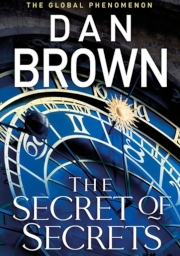
The Secrets Of Secrets
A thrilling and long-awaited new novel from Dan Brown



eBooks
Literatura Contemporánea Narrativa fantástica Novela de ciencia ficción Novela de terror Novela histórica Novela negra Novela romántica y erótica Juvenil Más de 13 años Más de 15 años Infantil eBooks infantiles
Humanidades Autoayuda y espiritualidad Ciencias humanas Economía y Empresa Psicología y Pedagogía Filosofía Historia Historia de España Historia Universal Arte Cine Música Historia del arte
Ciencia y tecnología Ciencias naturales Divulgación científica Medicina Salud y dietas Filología Estudios lingüísticos Estudios literarios Historia y crítica de la Literatura Estilo de vida Cocina Guías de viaje Ocio y deportes



eBooks de Filosofía de la ciencia, página 9 de 9
Te puede interesar
Filtros
Del 161 al 164 de 164

Editora Cultrix 9786557361009
O renomado Gregg Braden, uma referência nos estudos de ciência e espiritualidade, cruza as fronteiras tradicionais desses temas, desafiando qualquer teoria evolucionária para responder à eterna pergu
Ver más
eBook

Icon Books 9781848319806
What do scientists actually do? Is science "value-free"? How has science evolved through history? Where is science leading us? "Introducing Philosophy of Science" is a clear and incisively illustrated map of the big questions underpinning science. It is essential reading for students, the general public, and even scientists themselves.
Ver más
eBook
Rudolf Steiner Press 9781855843400
From pre-science to science; The origin of mathematics; The roots of physics and chemistry, and the urge to experiment; Are there limits to what science can know?; Understanding organisms: Goethes method; The quest for archetypal phenomena; Light, darkness and colour; The rediscovery of the elements; What is warmth?; The scale of nature; The working of the ethers in the physical; Sub-nature; What are atoms?; Natural science and spiritual science.
Ver más
eBook

REES, MARTIN, PARSONS, PAUL y BLACKMORE, SUSAN
Icon Books 9781848314528
When it comes to big science, very few things are conclusively known. From Quantum Mechanics to Natural Selection, what we have instead are theories - ideas explain why things happen the way they do. We dont know for certain these are correct - no one ever saw the Big Bang - but with them we can paint beautiful, breathtaking pictures of everything from human behaviour to what the future may hold. Profiling the key scientists behind each theory, "30-Second Theories" presents each entry in a unique, eye-catching full-colour design, with thought-provoking extras and stylish illustrations. It is essential for anyone keen on expanding their mind with sciences most thrilling ideas.
Ver más
eBook
...
Del 161 al 164 de 164