
 Truman
 Imprescindibles
Más vendidos Libros más leídos eBooks más leídos Todos los libros Todos los libros Autores destacados Series y sagas
Recomendados Libros recomendados Autores destacados Libros que inspiran Vidas con historia LGTBIQ+ English books




Ficción
Literatura Contemporánea Estudios literarios Clásicos Cuentos Poesía Teatro Libros de bolsillo Sagas literarias
Géneros literarios Novela romántica y erótica Novela negra Novela histórica Narrativa fantástica Novela de ciencia ficción Novela de terror Narrativa de humor Narrativa de viajes


No Ficción
Ciencias y tecnología Biología Ciencias Ciencias naturales Divulgación científica Informática Ingeniería Matemáticas Medicina Salud y dietas Formación Idiomas Estilo de vida Libros de Cocina Guías de viaje Narrativa de viajes Deportes Libros de Juegos Manualidades
Humanidades Autoayuda y espiritualidad Ciencias humanas Derecho Economía y Empresa Psicología y Pedagogía Filosofía Sociología Filología Biblioteconomía Estudios filológicos Estudios lingüísticos Estudios literarios Historia y crítica de la Literatura



Infantil




Juvenil
#Jóvenes lectores Narrativa juvenil Clásicos adaptados Libros Wattpad Libros Booktok Libros de influencers Libros de Youtubers Libros Spicy Juveniles Libros LGTBIQ+ Temas sociales Libros ciencia ficción Libros de acción y aventura Cómic y Manga Juvenil Cómic Juvenil Manga Shonen Manga Shojo Autores destacados Jennifer L. Armentrout Eloy Moreno Nerea Llanes Hannah Nicole Maehrer
Libros de fantasía Cozy Fantasy Dark academia Hadas y Fae Romantasy Royal Fantasy Urban Fantasy Vampiros y hombres lobo Otros Misterio y terror Cozy mistery Policiaca Spooky Terror Thriller y suspense Otros
Libros románticos y de amor Dark Romance Clean Romance Cowboy Romance Mafia y amor Romance dramatico Romance dramatico Romcom Sport Romance Otros Clichés Enemies to Lovers Friends to Lovers Hermanastros Slow Burn Fake Dating Triángulo amoroso

Cómic y Manga
Novela gráfica Novela gráfica americana Novela gráfica europea Novela gráfica de otros países Personajes, series y sagas Series y sagas Star Wars Superhéroes Cómics DC Cómics Marvel Cómics otros superhéroes Cómics Valiant




Books in English 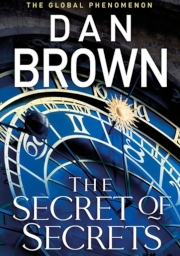
The Secrets Of Secrets
A thrilling and long-awaited new novel from Dan Brown



eBooks
Literatura Contemporánea Narrativa fantástica Novela de ciencia ficción Novela de terror Novela histórica Novela negra Novela romántica y erótica Juvenil Más de 13 años Más de 15 años Infantil eBooks infantiles
Humanidades Autoayuda y espiritualidad Ciencias humanas Economía y Empresa Psicología y Pedagogía Filosofía Historia Historia de España Historia Universal Arte Cine Música Historia del arte
Ciencia y tecnología Ciencias naturales Divulgación científica Medicina Salud y dietas Filología Estudios lingüísticos Estudios literarios Historia y crítica de la Literatura Estilo de vida Cocina Guías de viaje Ocio y deportes



Preventa de eBooks de Disciplinas auxiliares
Filtros
Del 1 al 3 de 3

BARTON, PETER, VANDEWALLE, JOHN y DOYLE, PETER
The History Press 9780750967099
Whilst the war raged across Flanders fields, an equally horrifying and sometimes more dangerous battle took place underground.Beneath Flanders Fields tells the story of the tunnellers war, which still remains one of the most misunderstood, misrepresented and mystifying conflicts of the Great War.A wealth of personal testimonies reveal the engineering, technology and science behind how this most intense of battles was fought and won. They speak of how the tunnellers lived a relentless existence in the depths of the battlefield for almost two and a half years, enduring physical and mental stresses that were often more extreme than their infantry counterparts. Their lives were reduced to a complex war of silence, tension and claustrophobia, leading up to the most dramatic mine offensive in history launched on 7 June 1917 at Messines Ridge. Yet, Messines was not the end of their story, which continued with the crafting of a whole underground world of headquarters, cookhouses and hospitals, housing the innumerable troops who passed through this part of the Western Front.Here, this extraordinary, hidden world is revealed and the fragile legacy it has left behind on Flanders fields is brought to light.
Ver más
eBook

CUMMINGS, KAREN
Robert Hale Non Fiction 9780719846090
Genealogy Methods and Techniques offers practical guidance on how to get the most from your family history research and be confident in the results. Suitable both for beginners who want to get things right from the start, and for experienced researchers with thorny problems to solve, this book offers tips and tricks for everyone. This book takes the reader on a journey through a series of research strategies, providing guidance at every step of the way. With clear explanations, real-life case studies and over 100 tables, charts and illustrations, it will equip you to apply best practices to your own research right from the start. Whether your research focuses on an in-depth analysis of a single individual or location, or tracing multiple generations of a family tree, this guide offers the structured approach and essential tools required to achieve reliable and meaningful results.
Ver más
eBook

KEEGAN, MICHAEL
Biteback Publishing 9781837360604
The definitive biography of the celebrated naval hero who brought down a Prime Minister.Roger Keyes was one of the most inspiring and controversial military figures Britain produced in the twentieth century, pursuing a distinguished career in the Royal Navy.In 1918, his leadership of the Zeebrugge and Ostend raids became the stuff of legend, earning eleven Victoria Crosses and transforming him into a national hero who symbolised Britains fighting spirit.Passed over for the position of First Sea Lord due to his opposition to naval disarmament, in 1934 Keyes entered Parliament, where he campaigned fiercely against appeasement alongside Churchill. It was his decisive, fiery intervention in the 1940 Norway debate that broke the back of Neville Chamberlains government and cleared the path for Churchill to become Prime Minister.Just months later, Churchill restored him to command as the first head of Combined Operations. Keyes created and championed the Commandos, forging the elite special forces unit that terrorised Hitlers coastal defences.A hero in two world wars, Keyes was revered by the men under his command and frequently compared to Nelson, but his abrasive style also made him powerful enemies. Cutting through the controversy that surrounds his name, this definitive, warts-and-all biography aims to restore Keyes to his rightful place in British history.
Ver más
eBook
Del 1 al 3 de 3