
Dantes dramatic journey through the circles of hell in search of redemption and his encounter with devils, monsters and the souls of some of the greatest sinners who ever walked on earth is one of the cornerstones of Western literature, the summit of medieval thinking and arguably the highest poetic achievement of all time.
Inferno, the first part of Dantes Comedy, is presented here in a new verse translation by acclaimed poet and prize-winning translator J.G. Nichols, together with the original text facing, extensive notes, illustrations and a critical apparatus focusing on the authors life and works.
________
"Bravo for this new version of Dante... Bravo, Professor Nichols!" The Church Times
"All life is written in Dante''s burning pages, and Nichols has done him proud." Ian Thomson, The Observer
"For sheer liveliness, combined with accuracy and closeness to the text, it will be hard to rival." A.N. Wilson
"This new translation by J.G. Nichols, clearly grounded in a secure knowledge of and familiarity with Dante and in English verse which is rarely less than competently handled, is one that deserves to be taken seriously and will reward any reader who makes his first encounter with Dante through it. It is an intelligent and sophisticated piece of work." Acumen Literary Journal
''Dante is my spiritual food.'' James Joyce
Ficha técnica
Editorial: Alma Books
ISBN: 9781847493408
Idioma: Inglés
Encuadernación: Tapa blanda
Fecha de lanzamiento: 02/01/2014
Año de edición: 2014
Especificaciones del producto
Escrito por Dante Alighieri
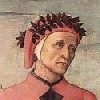
Nació en Florencia en 1265. Las primeras obras de Dante se enmarcan por temática y estilo en el movimiento del Dolce Stil Nuovo, con cuyos poetas estuvo ligado, también por razones de amistad, sobre todo con Guido Cavalcanti. Su primera obra de relieve, Vita Nuova, escrita entre 1292 y 1294, representa una cumbre de la poesía stilnovista. Casado con Gemma Donati, de la que tuvo cuatro hijos, Dante siempre tuvo en su corazón el amor platónico hacia Beatrice Portinari, a la que conoció siendo casi adolescente y a la que eligió como representación de la figura femenina perfecta. Dante participó activamente en la vida política de Florencia, dividida entonces entre las facciones opuestas del partido güelfo (blancos y negros) y el gibelino: en 1300 fue elegido Prior de la ciudad y fue embajador en Roma con el papa Bonifacio VIII. En 1302, Dante, güelfo de la facción blanca, es acusado falsamente por sus adversarios y condenado al exilio, donde escribe la Comedia. Muere en Rávena en 1321.