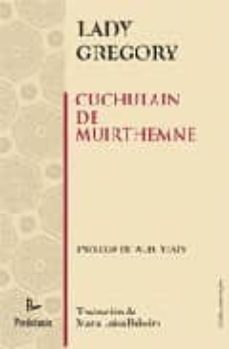
Prólogo de W. B. Yeats Basándose en todas las fuentes de la antigua epopeya Táin Bó Cuailnge (El robo de ganado de Cooley), Lady Gregory narra en Cuchulain la historia de un campeón altomedieval, con muchos ecos miticos de la Edad del Hierro, desde su nacimiento a su tragico fin, pasando por sus mocedades y esplendor, a traves de multiples aventuras en las que brilla de forma inigualable el genio literario irlandes. La epica celtica se tiñe de magia y lirismo en este libro que a Tolkien no le hubiera importado firmar. Dos veces Premio Nacional a la Mejor Traduccion, Maria Luisa Balseiro consigue mantener en esta version todo el estilo y el sabor del original de Lady Gregory. Este libro es el mejor que ha salido de Irlanda en mi tiempo W. B. Yeats Irlanda es uno de los crisoles de la cultura occidental, donde se funden la cultura clasica salvada por los monjes, herederos de San Patricio, y la cultura celtica autoctona, que inspirara, entre otras obras maestras, el Cuchulain de Lady Augusta Gregory Luis Alberto de Cuenca, ABCD
In "Three Last Plays: Sanchos Master," Lady Augusta Gregory presents a rich tapestry of Irish folklore infused with modern dramatic sensibilities. The play intertwines themes of loyalty, power dynamics, and the quest for identity, using sharp dialogue and vibrant characterizations that reflect Gregorys mastery of language. Set against a backdrop of political and social turbulence, this work stands as a testament to the resilience of the human spirit, marking a significant contribution to the Irish literary revival of the early 20th century. Gregorys stylistic choices reveal a keen awareness of both the theatrical traditions of her time and the socio-political landscape that influenced her narratives. Lady Augusta Gregory, a prominent figure in the Irish Literary Revival, co-founded the Abbey Theatre and played a crucial role in promoting Irish playwrights. Born into a privileged background, her passion for folklore and national identity fused with her literary pursuits, allowing her to explore themes of culture and heritage in her works. Her life experiences as a writer, translator, and theatrical producer uniquely positioned her to address the complexities of Irish identity and its representation on stage. "Three Last Plays: Sanchos Master" is a must-read for anyone intrigued by the interplay of folklore and drama, as well as those interested in the evolution of Irish literature. Gregorys profound insights and stylistic flair offer readers a compelling exploration of human relationships and societal challenges, making this play a timeless piece worthy of attention.In this enriched edition, we have carefully created added value for your reading experience:- A comprehensive Introduction outlines these selected works unifying features, themes, or stylistic evolutions.- A Historical Context section situates the works in their broader erasocial currents, cultural trends, and key events that underpin their creation.- A concise Synopsis (Selection) offers an accessible overview of the included texts, helping readers navigate plotlines and main ideas without revealing critical twists.- A unified Analysis examines recurring motifs and stylistic hallmarks across the collection, tying the stories together while spotlighting the different works strengths.- Reflection questions inspire deeper contemplation of the authors overarching message, inviting readers to draw connections among different texts and relate them to modern contexts.- Lastly, our handpicked Memorable Quotes distill pivotal lines and turning points, serving as touchstones for the collections central themes.
In "Three Last Plays: Dave," Lady Augusta Gregory intricately weaves a tapestry of Irish identity, human emotion, and the complexities of familial relationships. This play encapsulates her characteristic use of simple yet poignant dialogue imbued with rich imagery and symbolism. Set against the backdrop of rural Ireland, Gregory captures the tension of personal and societal conflicts that define her characters lives, making her work resonate within the broader context of the Irish Literary Revival. With a keen focus on everyday struggles, Gregorys dramatic techniques lean on realism, allowing her audience to engage deeply with the profound themes of love, loss, and reconciliation. Lady Augusta Gregory, a pivotal figure in the Irish Renaissance, leveraged her background in folklore and Irish nationalism to enrich her writing. As a co-founder of the Abbey Theatre, Gregory was instrumental in championing Irish playwrights and fostering a distinct Irish voice in drama. Her experiences as an accomplished writer and cultural advocate informed her exploration of social issues, particularly the female experience in a male-dominated society, which is compellingly illustrated in "Dave." For readers and theater enthusiasts alike, "Three Last Plays: Dave" serves as an essential work that offers a deep understanding of the complexities of human nature through its profound appreciation of Irish culture. This play not only showcases Gregorys literary prowess but also invites audiences to reflect on their own lives and relationships, making it a timeless piece worth engaging with.In this enriched edition, we have carefully created added value for your reading experience:- A comprehensive Introduction outlines these selected works unifying features, themes, or stylistic evolutions.- A Historical Context section situates the works in their broader erasocial currents, cultural trends, and key events that underpin their creation.- A concise Synopsis (Selection) offers an accessible overview of the included texts, helping readers navigate plotlines and main ideas without revealing critical twists.- A unified Analysis examines recurring motifs and stylistic hallmarks across the collection, tying the stories together while spotlighting the different works strengths.- Reflection questions inspire deeper contemplation of the authors overarching message, inviting readers to draw connections among different texts and relate them to modern contexts.- Lastly, our handpicked Memorable Quotes distill pivotal lines and turning points, serving as touchstones for the collections central themes.