
INGLÉS EPUB sin DRM eBook
Statesman | eBook
Enriched edition. Unveiling the Ideal Rulership and Government: A Philosophical Exploration of Political Leadership and Power
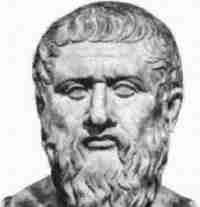
Por Platón
Léelo en cualquier dispositivo Descárgalo y empieza a leer ya
La compra de eBooks para España debe realizarse desde: vivlio.casadellibro.com
Sinopsis
In "Statesman," Plato intricately navigates the complexities of political theory and governance through a Socratic dialogue featuring characters such as Socrates and the Eleatic Stranger. Employing a dialectical literary style, Plato crafts a discourse that examines the nature of kingship, the ideal ruler, and the qualities that delineate a true statesman from mere politicians. This dialogue, set in the context of the late Classical period, aligns with Platos broader literary aim of illustrating the philosophical foundations of a just society, focusing particularly on the interplay of wisdom, knowledge, and moral integrity in leadership. Plato, a pivotal figure in Western philosophy, was profoundly influenced by the political turmoil of Athens and his experiences as a student of Socrates. His exploration of the ideal state in "Statesman" is partly a reaction to the chaotic political landscapes he observed, as well as an extension of his earlier works, including "The Republic." Platos philosophical inquiries into justice, virtue, and the role of the philosopher-king mirror both his aspirations for a nobler political model and his reflections on the failures of contemporary Athenian governance. "Statesman" is a must-read for scholars and enthusiasts of political philosophy, offering insights that remain relevant to contemporary discussions on leadership and ethics in politics. Platos masterful treatment of the complexities of statecraft invites readers to engage critically with concepts of power, responsibility, and the ideal qualities of the rulers, making it an enduring work that resonates deeply with both ancient and modern audiences.
In this enriched edition, we have carefully created added value for your reading experience:
- A succinct Introduction situates the works timeless appeal and themes.
- The Synopsis outlines the central plot, highlighting key developments without spoiling critical twists.
- A detailed Historical Context immerses you in the eras events and influences that shaped the writing.
- An Author Biography reveals milestones in the authors life, illuminating the personal insights behind the text.
- A thorough Analysis dissects symbols, motifs, and character arcs to unearth underlying meanings.
- Reflection questions prompt you to engage personally with the works messages, connecting them to modern life.
- Hand‐picked Memorable Quotes shine a spotlight on moments of literary brilliance.
- Interactive footnotes clarify unusual references, historical allusions, and archaic phrases for an effortless, more informed read.
Léelo en cualquier dispositivo


Ficha Técnica
Editorial: Good Press
ISBN: 4057664131553
Idioma: Inglés
Fecha de lanzamiento: 20/11/2019
Especificaciones del producto

App gratuita de lectura Tagus
Ahora tu lectura es multidispositivo, con la App de Tagus, puedes tener todos tus libros en tu tablet y smartphone. Aprovecha cualquier momento para seguir disfrutando de las lecturas que más te gustan.
Recibe novedades de Platón directamente en tu email
Reseñas sobre Statesman
Comparte tu experiencia con la comunidad lectora.
0 Reseñas
5 0
4 0
3 0
2 0
1 0
Sólo por opinar entras en el sorteo mensual de tres tarjetas regalo valoradas en
20€
Publicar una opinión supone haber leído y aceptado las
bases del sorteo
"Tu opinión tiene premio".