
A subtle distillation of wisdom, stylistic grace and symmetry of form' Sunday Times 'It's hard to think of a more recent novel that has sung so eloquently the joys of being alone' Guardian An inspirational classic from Nobel Prize-winner Hermann Hesse, Siddhartha is a beautiful tale of self-discovery Dissatisfied with the ways of life he has experienced, Siddhartha, the handsome son of a Brahmin, leaves his family and his friend, Govinda, in search of a higher state of being. Having experienced the myriad forms of existence, from immense wealth and luxury to the pleasures of sensual and paternal love, Siddhartha finally settles down beside a river, where a humble ferryman teaches him his most valuable lesson yet. Hermann Hesse's short, elegant novel, echoing the life of the Buddha, has been cherished by readers for decades as an unforgettable spiritual primer. A tender and unforgettable moral allegory, it is an undeniable classic of modern literature. Part of the Pushkin Press Classics series: timeless storytelling by icons of literature, hand-picked from around the globe Translated by Hilda Rosner Hermann Hesse (1877-1963) is counted among the leading novelists and thinkers of the twentieth century. He was awarded the Nobel Prize in 1946 for a body of literature renowned for its humanist, philosophical and spiritual insight. His most famous works include Siddhartha, Journey to the East, Demian, Steppenwolf, and Narcissus and Goldmund.
Ficha técnica
Editorial: Pushkin Press
ISBN: 9781805330196
Idioma: Inglés
Encuadernación: Tapa blanda bolsillo
Fecha de lanzamiento: 03/08/2023
Especificaciones del producto
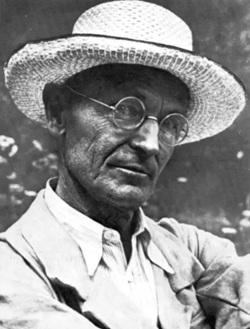
Escrito por Hermann Hesse
Calw, (1877-1962). Hermann Hesse abandonó su familia desde muy joven y trabajó en distintos oficios hasta que consiguió publicar la novela Peter Camenzind (1904), donde Hesse expresaba la rebeldía de los hijos contra los padres, asunto recurrente en Bajo la rueda (1906). En Gertrudis (1910), Hesse narró la historia de un matrimonio desgraciado como fue el suyo y, un año después, realizó un viaje a la India que le inspiraría Siddharta (1922). Antes había publicado Demian (1919), su obra más conocida junto a El lobo estepario. Su última novela fue El juego de abalorios (1943), una tentativa de síntesis de la filosofía oriental y la occidental. El conjunto de su obra fue galardonado en 1946 con el Premio Nobel de Literatura.