Este libro constituye un auténtico testamento de la maestría de todos los arquitectos e ingenieros que legaron para la posteridad obras que no han dejado de maravillar a las generaciones posteriores.
Expands on the traditional Seven Wonders to examine an impressive number of ancient marvels from around the globe How were the ancient wonders of the world built How many people did it take to build the Great Wall of China or the Sphinx at Giza The Seventy Wonders of the Ancient World answers these and many more questions examining antiquity s most spectacular feats of engineering and celebrating the achievements of the builders who worked without the aid of modern technology The shaping of the Great Sphinx at Giza the raising of the stones at Stonehenge the laying out of the Nazca Lines on the face of the Peruvian desert and the construction of the Great Wall of China are all described and explained by an international team of experts in the light of the most recent archaeological research Packed with fact files diagrams and specially commissioned perspective views this is a testament to the skill of the ancient architects and engineers who continue to impress successive generations down the ages
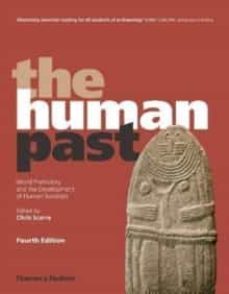
Here is a new, fourth edition of this authoritative introductory survey of world prehistory, spanning the past 3,000,000 years and written by a team of twenty-four expert authors. This edition has been radically updated to be more thematic and accessible: chapters are connected by new key themes boxes (climate change, domestication, migration, social inequality and urbanism), which link global regions and encourage big-picture thinking. The text has been streamlined and the book's design completely revamped: it is now in full colour throughout, with more than 50% more colour images than the previous edition.There is increased coverage of the Americas, with a brand-new chapter, The Origins and Dispersal of the First Americans. Revisions take into account the latest sites and discoveries, including Homo naledi and the new LiDAR surveys of Angkor Wat. Each chapter begins with a newly designed, easier-to-use timeline, and features boxes on key sites, key discoveries, key controversies and, as above, key themes.All of the key methods boxes from the previous edition have been consolidated into the Introduction and now offer an up-front primer of archaeological methods and practices. Tables and maps are simplified and easier to use.