
Imprescindibles
Más vendidos Libros más leídos eBooks más leídos Todos los libros Todos los libros Autores destacados Series y sagas
Recomendados Libros recomendados Autores destacados Libros que inspiran Vidas con historia LGTBIQ+ English books

Ficción
Literatura Contemporánea Estudios literarios Clásicos Cuentos Poesía Teatro Libros de bolsillo Sagas literarias
Géneros literarios Novela romántica y erótica Novela negra Novela histórica Narrativa fantástica Novela de ciencia ficción Novela de terror Narrativa de humor Narrativa de viajes



No Ficción
Ciencias y tecnología Biología Ciencias Ciencias naturales Divulgación científica Informática Ingeniería Matemáticas Medicina Salud y dietas Formación Idiomas Estilo de vida Libros de Cocina Guías de viaje Narrativa de viajes Deportes Libros de Juegos Manualidades
Humanidades Autoayuda y espiritualidad Ciencias humanas Derecho Economía y Empresa Psicología y Pedagogía Filosofía Sociología Filología Biblioteconomía Estudios filológicos Estudios lingüísticos Estudios literarios Historia y crítica de la Literatura




Infantil


Juvenil
#Jóvenes lectores Narrativa juvenil Clásicos adaptados Libros Wattpad Libros Booktok Libros de influencers Libros de Youtubers Libros Spicy Juveniles Libros LGTBIQ+ Temas sociales Libros ciencia ficción Libros de acción y aventura Cómic y Manga Juvenil Cómic Juvenil Manga Shonen Manga Shojo Autores destacados Jennifer L. Armentrout Eloy Moreno Nerea Llanes Hannah Nicole Maehrer
Libros de fantasía Cozy Fantasy Dark academia Hadas y Fae Romantasy Royal Fantasy Urban Fantasy Vampiros y hombres lobo Otros Misterio y terror Cozy mistery Policiaca Spooky Terror Thriller y suspense Otros
Libros románticos y de amor Dark Romance Clean Romance Cowboy Romance Mafia y amor Romance dramatico Romcom Sport Romance Otros Clichés Enemies to Lovers Friends to Lovers Hermanastros Slow Burn Fake Dating Triángulo amoroso

Cómic y Manga
Novela gráfica Novela gráfica americana Novela gráfica europea Novela gráfica de otros países Personajes, series y sagas Series y sagas Star Wars Superhéroes Cómics DC Cómics Marvel Cómics otros superhéroes Cómics Valiant


Books in English 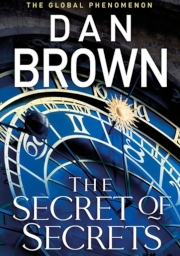
The Secrets Of Secrets
A thrilling and long-awaited new novel from Dan Brown


Audiolibros
eBooks
Literatura Contemporánea Narrativa fantástica Novela de ciencia ficción Novela de terror Novela histórica Novela negra Novela romántica y erótica Juvenil Más de 13 años Más de 15 años Infantil eBooks infantiles
Humanidades Autoayuda y espiritualidad Ciencias humanas Economía y Empresa Psicología y Pedagogía Filosofía Historia Historia de España Historia Universal Arte Cine Música Historia del arte
Ciencia y tecnología Ciencias naturales Divulgación científica Medicina Salud y dietas Filología Estudios lingüísticos Estudios literarios Historia y crítica de la Literatura Estilo de vida Cocina Guías de viaje Ocio y deportes


Petrus Borel
Recibe novedades de PETRUS BOREL directamente en tu email
Filtros
Del 1 al 3 de 3

Carcanet Classics 9781800172210
Borel was the sun, said Théophile Gautier, who could resist him? Indeed, who? A lycanthrope, necrophile, absurd revolutionary, Paris dandy with a scented beard, flamboyant sufferer: a man with no grave and no memorial. His once celebrated red mouth opened briefly like an exotic flower to complain of injustice and bourgeois vulgarity; of his frustration in love and reputation; of poverty and blighted fate. Then he withered in the minor officialdom of Algeria, where he died because he would not wear a hat, leaving a haunted house and a doubtful name. And now, says his only biographer Dame Enid Starkie, he is quite forgotten.Rhapsodies 1831 includes all the poems Borel wrote when he was twenty and twenty-one. The poems, he said, are the slag from my crucible: the poetry that boils in my heart has slung its dross. It is a fabulous, fiery, black-clouded dross: captains and cutlasses, castles, maidens, daggers, danger; calls to arms, imagined loves, plaints and howls of injustice. Never did a publication create a greater scandal, Borel said, because it was a book written heart and soul, with no thought of anything else, and stuffed with gall and suffering. It was not reviewed. Now it is back.
Ver más
eBook

VALDEMAR 9788477023524
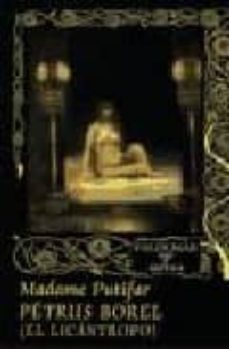
Madame Putifar, la novela negra por excelencia de la literatura francesa, describía las desdichas e infortunios de otro personaje prácticamente desconocido, al tiempo que abría una ventana a situaciones historicas del Antiguo Regimen: la existencia del Parc-aux-Cerfs, especie de haren de Luis XVI, las cartas selladas que condenaron de por vida a muchos a la mazmorra perpetua sin otra justicia que el deseo del rey y de su entorno, ni mas crimen cometido por el reo que el de desagradar al poder por mil motivos arbitrarios. Paul Eluard situaba admirablemente entre el marques de Sade y el conde de Lautreamont a este escritor perseguido por el infortunio, cuya obra posee, segun el poeta surrealista, el mismo caracter de absoluto y de audacia que la suya. Borel encarna la sombra malefica de un romanticismo no domesticado, una puerta por la que irrumpen la pasion, un desorbitado deseo de venganza, el delirio y la locura: ademas, Madame Putifar, traducida ahora por primera vez al castellano, traza el mapa donde los crimenes de la monarquia van señalando las etapas de la llegada de la Revolucion Francesa.
Ver más
Tapa dura
Del 1 al 3 de 3