Notorious for being one of the best reptiles to have as a pet, the bearded dragon is a well-known favorite. This new edition of the best-selling The Bearded Dragon Manual is packed with valuable information that will help you learn how to take quality care of your pet and provides a close look at all the characteristics that have made these attractive lizards so popular. From breeding, egg-laying, and basic genetics to creating a comfortable habitat, understanding typical bearded dragon behavior and personality quirks, diet and nutrition, and so much more, each detailed chapter will help bring you closer to this remarkable reptile! Also included are insightful answers to dragon owners frequently asked questions on tank size, feeder crickets, shedding issues, tail rot, and more. New edition includes updated information on care and feeding, breeding, habitat, and habits, as well as eight new sections.
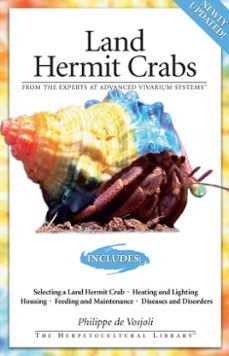
Crabbers should grab Philippe de Vosjoli manual on land hermit crabs for expert advice on keeping this popular and colorful invertebrate thriving in its vivarium! The popularity of hermit crabs is undeniable, as the author states in his introduction, "Their droll appearances and interesting behaviors have made them appealing to both children and adults looking for an affordable, low maintenance, and undemanding pet." Land Hermit Crabs seeks to inform dedicated hobbyists and casual crabbers alike about the requirementsminimal though specificof land hermit crabs to keep their pets alive and healthy. Due to the low cost of hermit crabs, too many keepers carelessly allow their pets to die unnecessarily. The author says that the "high mortality of captive hermit crabs is [due to] the failure [of keepers] to provide a proper environment." This Advanced Vivarium Systems title provides detailed information on the selection of a health crab, housing, water and feeding requirements, molting, breeding, behavior, and health and other husbandry-related problems. Crab enthusiasts will also be interested to read about other crabs for freshwater aquaria in the final chapter, with photos of and information about fiddler crabs, red-clawed freshwater crabs, coconut crabs, and land crabs. Resources and index included.
The Burmese pythons, the subject of this care guide, is a giant snake with specific feeding, housing, and handling requirements, that is not ideal for most hobbyists and an unusual choice as a pet. Nonetheless, author Philippe de Vosjoli notes in the first chapter that his favorite snake was indeed a Burmese python, as no other snake "has ever equaled this particular animal in terms of personality and responsiveness." Indeed, he says, the Burmese pythons docile nature has done much to help dispel scary myths and misconceptions about snakes in general. For snake hobbyists interested in purchasing and keeping this gentle giant, Burmese Pythons is an excellent introduction to the selection and purchase of a healthy snake offering no-nonsense advice about handling, housing, feeding, and breeding these snakes. The authors chapter titled "How Accidents Happen" presents commonsense tips about handling Burmese pythons, discussing bites, the tail, and constriction, essential reading for all keepers, regardless of their experience level. Dr. Roger Klingenberg offers a chapter on diseases and disorders which proves useful and informative. A fully illustrated chapter dedicated to other large pythons offers information about size, longevity, morphs, maintenance, and breeding for the following giant snakes: the Indian python (a subspecies to the Asiatic rock python, like the Burmese python), the Sri Lankan python, the reticulated python, and the African rock python. Resources and index included.