
Imprescindibles
Más vendidos Libros más leídos eBooks más leídos Todos los libros Todos los libros Autores destacados Series y sagas
Recomendados Libros recomendados Autores destacados Libros que inspiran Vidas con historia LGTBIQ+ English books




Ficción
Literatura Contemporánea Estudios literarios Clásicos Cuentos Poesía Teatro Libros de bolsillo Sagas literarias
Géneros literarios Novela romántica y erótica Novela negra Novela histórica Narrativa fantástica Novela de ciencia ficción Novela de terror Narrativa de humor Narrativa de viajes

No Ficción
Ciencias y tecnología Biología Ciencias Ciencias naturales Divulgación científica Informática Ingeniería Matemáticas Medicina Salud y dietas Formación Idiomas Estilo de vida Libros de Cocina Guías de viaje Narrativa de viajes Deportes Libros de Juegos Manualidades
Humanidades Autoayuda y espiritualidad Ciencias humanas Derecho Economía y Empresa Psicología y Pedagogía Filosofía Sociología Filología Biblioteconomía Estudios filológicos Estudios lingüísticos Estudios literarios Historia y crítica de la Literatura


Infantil


Juvenil
#Jóvenes lectores Narrativa juvenil Clásicos adaptados Libros Wattpad Libros Booktok Libros de influencers Libros de Youtubers Libros Spicy Juveniles Libros LGTBIQ+ Temas sociales Libros ciencia ficción Libros de acción y aventura Cómic y Manga Juvenil Cómic Juvenil Manga Shonen Manga Shojo Autores destacados Jennifer L. Armentrout Eloy Moreno Nerea Llanes Hannah Nicole Maehrer
Libros de fantasía Cozy Fantasy Dark academia Hadas y Fae Romantasy Royal Fantasy Urban Fantasy Vampiros y hombres lobo Otros Misterio y terror Cozy mistery Policiaca Spooky Terror Thriller y suspense Otros
Libros románticos y de amor Dark Romance Clean Romance Cowboy Romance Mafia y amor Romance dramatico Romcom Sport Romance Otros Clichés Enemies to Lovers Friends to Lovers Hermanastros Slow Burn Fake Dating Triángulo amoroso

Cómic y Manga
Novela gráfica Novela gráfica americana Novela gráfica europea Novela gráfica de otros países Personajes, series y sagas Series y sagas Star Wars Superhéroes Cómics DC Cómics Marvel Cómics otros superhéroes Cómics Valiant



Books in English 
Books in English Fiction Non Fiction Comic Teen & Young Adult Main Authors Ken Follett Agatha Christie Stephen King Jane Austen Maggie O’Farrell On sale
Books in English for Young Adults Age 13+ Age 15+ Young Adult Authors Rebecca Yarros Sarah J. Maas Brandon Sanderson Ali Hazelwood Alice Oseman

The Secrets Of Secrets
A thrilling and long-awaited new novel from Dan Brown
Audiolibros
Literatura Contemporánea Narrativa fantástica Novela de ciencia ficción Novela de terror Novela histórica Novela negra Novela romántica y erótica Historia Historia universal
Humanidades Autoayuda y espiritualidad Ciencias humanas Economía y empresa Psicología y pedagogía Filosofía Infantil Audiolibros infantiles
Ciencia y tecnología Ciencias naturales Divulgación científica Medicina Salud y dietas Arte Cine Música Historia del arte
eBooks
Literatura Contemporánea Narrativa fantástica Novela de ciencia ficción Novela de terror Novela histórica Novela negra Novela romántica y erótica Juvenil Más de 13 años Más de 15 años Infantil eBooks infantiles
Humanidades Autoayuda y espiritualidad Ciencias humanas Economía y Empresa Psicología y Pedagogía Filosofía Historia Historia de España Historia Universal Arte Cine Música Historia del arte
Ciencia y tecnología Ciencias naturales Divulgación científica Medicina Salud y dietas Filología Estudios lingüísticos Estudios literarios Historia y crítica de la Literatura Estilo de vida Cocina Guías de viaje Ocio y deportes


RALEIGH TREVELYAN
Recibe novedades de RALEIGH TREVELYAN directamente en tu email
Filtros
Del 1 al 3 de 3
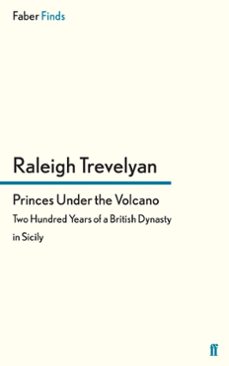
Faber & Faber 9780571288922
Epic and engrossing, this extravagant true story covers 200 years in the life of an English family dynasty in Sicily. Benjamin Ingham, possibly the greatest tycoon England has ever known, was attracted to Sicily from his humble beginnings in Yorkshire by the burgeoning trade in marsala wine. This is the story of the English Croesus, who made the money, and his beneficiaries, the Whitaker family, who spent it - intertwined with two hundred years of enthralling Sicilian history.Most entertaining and readable. Anthony Powell, TelegraphDeeply researched and wholly fascinating. Washington PostAn original and entertaining contribution to Anglo-Italian history. Times
Ver más
eBook
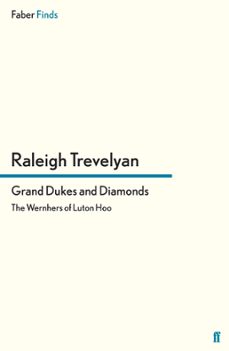
Faber & Faber 9780571290307
Based on unrestricted access to private papers, Grand Dukes and Diamonds charts the history of one of the most influential and extraordinary families of our time: the Wernhers of Luton Hoo. The familys fortune was made by Sir Julius Wernher, financier, mining magnate, and one of the creators of modern South Africa. Luton Hoo, a country house in Bedfordshire, became the site of Wernhers magnificent collection and was duly inherited by Sir Harold Wernher and his wife Lady Zia, daughter of Grand Duke Michael of Russia and a direct descendant of Pushkin. At Luton Hoo the couple displayed her priceless collection of Faberge, and together they ran a racing stud at Newmarket. Three of their racehorses, Brown Jack, Meld and Charlottown, became legends in their time. Sir Harold also played a crucial role at D-Day, the story of which has its definitive telling within Raleigh Trevelyans fascinating narrative.
Ver más
eBook
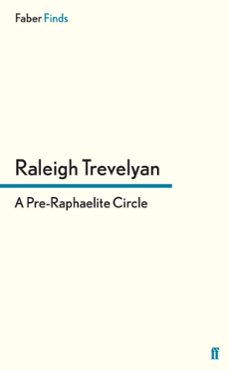
Faber & Faber 9780571308750
Tennyson and Holman Hunt, Carlyles, Rossettis and any number of celebrated Trevelyans people these pages; and Mr Trevelyans handling of their comings and goings is masterly. Hilary SpurlingPauline Trevelyan, friend and patroness of so many in the Pre-Raphaelite circle, has long been an intriguing figure to scholars of that period. The daughter of a poor parson, she was married to Sir Walter Calverley Trevelyan, a landowner-cum-scientist twenty years her senior and her opposite in character. Herself an artist, writer and critic, she spotted Swinburnes talents when he was still a schoolboy, and commissioned important works from Rossetti, Woolner and others. From her immense correspondence we learn much about John Ruskin.A Pre-Raphaelite Circle reproduces a late-unearthed letter from Ruskin that is revelatory in respect of his marriage. For this and many other reasons it is a crucial work of reference for students of Ruskin and the Pre-Raphaelites.
Ver más
eBook
Del 1 al 3 de 3