













📱 eBook en inglés CROMWELL

CLXBX- 9789525450842

Sinopsis de CROMWELL

Victor Hugos Cromwell is a monumental historical drama that marked a turning point in French literature and laid the foundation for the Romantic movement. Written in 1827, this ambitious play reimagines the life and inner turmoil of Oliver Cromwell, the controversial English leader who rose to power after the execution of King Charles I. More than a political chronicle, Cromwell is a profound exploration of ambition, conscience, destiny, and the fragile nature of authority.
Set in 17th-century England, the drama unfolds during a pivotal moment when Cromwell stands at the height of his power as Lord Protector. The crown of England is within his grasp, yet he hesitates. Around him swirl conspiracies, political intrigue, loyal supporters, hidden enemies, and royalist plots seeking to restore the monarchy. Hugo masterfully captures the tension of a nation suspended between republic and monarchy, revolution and tradition.
At its core, Cromwell is not merely about historical events but about the psychological struggle of a man torn between overwhelming ambition and haunting doubt. Hugo presents Cromwell as a complex, almost Shakespearean figure—both calculating and vulnerable, powerful yet uncertain. The play delves deep into themes of legitimacy, moral responsibility, and the corrupting influence of power. Is Cromwell a hero of liberty or a tyrant in disguise? Hugo leaves the reader to grapple with these questions.
One of the most remarkable aspects of Cromwell is its legendary preface, which became a manifesto of Romanticism. In it, Hugo rejects the rigid conventions of classical drama and champions artistic freedom, emotional depth, and the blending of the sublime with the grotesque. This bold declaration forever changed the course of French literature, making Cromwell significant not only as a dramatic work but also as a cultural milestone.
Rich in vivid characters, political tension, and philosophical reflection, Cromwell showcases Hugos early genius and his ability to weave history with poetic grandeur. Though rarely performed in full due to its epic length, the play remains a powerful literary achievement—an exploration of leadership, revolution, and the human condition that continues to resonate with readers today.
For lovers of historical drama, political intrigue, and classic literature, Cromwell stands as a towering testament to Victor Hugos visionary talent and enduring influence.

Léelo en cualquier dispositivo


Ficha técnica


Editorial: Clxbx

ISBN: 9789525450842

Idioma: Inglés

Fecha de lanzamiento: 18/02/2026


Especificaciones del producto


App gratuita de lectura Tagus

Ahora tu lectura es multidispositivo, con la App de Tagus, puedes tener todos tus libros en tu tablet y smartphone. Aprovecha cualquier momento para seguir disfrutando de las lecturas que más te gustan.
Ver más

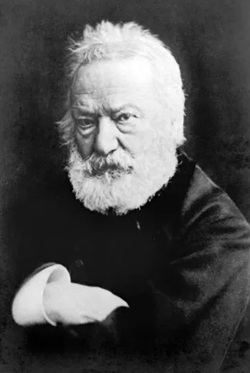
Escrito por Victor Hugo


Victor Hugo

Victor Hugo (1802-1885) nació en Besançon, Francia. Educado en escuelas privadas de París, empezó a escribir siendo muy joven. Poeta, novelista y dramaturgo, llevó a sus obras su espíritu inconformista, que sazonó con grandes dosis de sentimentalismo y anécdotas históricas. En sus obras, exponentes máximos del romanticismo literario, siempre volcó su ideología liberal, que le obligó a exiliarse de su país en más de una ocasión. Tras el volumen de poesía Odas y poesías diversas (1822), las novelas Han de Islandia (1823) y Bug-Jargal (1824), y los poemas de Odas y baladas (1826), escribió Cromwell (1827), extenso drama histórico, y Marion de Lorme (1829), obra teatral censurada por ser demasiado liberal. Pero no fue hasta 1830, con la publicación y el estreno de Hernani, posteriormente adaptada por Verdi, cuando logró el reconocimiento del público y de la crítica. A Hernani siguieron la novela Notre-Dame de París (1831), la obra teatral El rey se divierte (1832, adaptada por Verdi en Rigoletto), Lucrecia Borgia (1833), Claude Gueux (1834), Ruy Blas (1838) y Les Burgraves (1843), también obra teatral, que le supusieron su ingreso en la Academia Francesa en 1841. Durante el Segundo Imperio emigró a Bélgica, donde escribió la sátira Napoleón el pequeño (1852), el poema épico La leyenda de los siglos (1859-1883) y terminó la que sería su obra más extensa y famosa, Los miserables (1862). Regresó a Francia en 1870, donde siguió publicando: El noventa y tres (1874) y El arte de ser abuelo (1877). Murió en París, y sus restos fueron expuestos en el Arco de Triunfo y luego trasladados al Panteón, donde fue sepultado junto a las mayores celebridades francesas.

Descubre más sobre Victor Hugo
Recibe novedades de Victor Hugo directamente en tu email

Opiniones sobre CROMWELL (EBOOK)


¡Sólo por opinar entras en el sorteo mensual de tres tarjetas regalo valoradas en 20€*!

Los eBooks más vendidos de la semana