
📱 eBook en inglés EUTHYPHRO

9791221349603

Filosofía Historia de la filosofía

Sinopsis de EUTHYPHRO

Euthyphro by Plato Euthyphro (/?ju?θ?fro?/; Ancient Greek: Ε?θ?φρων, romanized: Euthyphr?n; c. 399–395 BC), by Plato, is a Socratic dialogue whose events occur in the weeks before the trial of Socrates (399 BC), between Socrates and Euthyphro. The dialogue covers subjects such as the meaning of piety and justice. As is common with Platos earliest dialogues, it ends in aporia.

In this dialogue, Socrates meets Euthyphro at the porch of the King Archon. Socrates tells him that he is preparing to go to court against the charges of Meletus on the grounds of impiety. Euthyphro tells Socrates that he is going to court himself to prosecute his father for binding a worker in chains and leaving him to die. This has granted him the ire of his own family who believe his father was in the right.

The worker had killed a fellow worker and this they believe, exempts them from liability for leaving him bound in the ditch to starve to death. Since Euthyphro seems assured of himself, Socrates asks him to define piety. His help will clarify Socrates case in the courtroom. If Socrates is asked to define piety, he can simply rely on Euthyphros definition.

This however leads to the main dilemma of the dialogue when the two cannot come to a satisfactory conclusion. Is something pious because God approves of it or does God approve of it because it is pious? This aporic ending has led to one of the strongest theological and meta-ethical debates in history.

Léelo en cualquier dispositivo


Ficha técnica


ISBN: 9791221349603

Idioma: Inglés

Fecha de lanzamiento: 01/06/2022

Especificaciones del producto


App gratuita de lectura Tagus

Ahora tu lectura es multidispositivo, con la App de Tagus, puedes tener todos tus libros en tu tablet y smartphone. Aprovecha cualquier momento para seguir disfrutando de las lecturas que más te gustan.
Ver más

Escrito por Platón


Platón
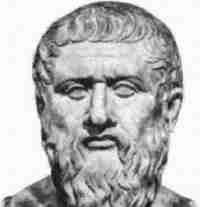
PLATÓN. (Atenas o Egina,2 ca. 427-347 a. C.) fue un filósofo griego seguidor de Sócrates y maestro de Aristóteles. En 387 fundó la Academia, institución que continuaría su marcha a lo largo de más de novecientos años y a la que Aristóteles acudiría desde Estagira a estudiar filosofía alrededor del 367, compartiendo, de este modo, unos veinte años de amistad y trabajo con su maestro. Platón participó activamente en la enseñanza de la Academia y escribió, siempre en forma de diálogo, sobre los más diversos temas, tales como filosofía política, ética, psicología, antropología filosófica, epistemología, gnoseología, metafísica, cosmogonía, cosmología, filosofía del lenguaje y filosofía de la educación; intentó también plasmar en un Estado real su original teoría política, razón por la cual viajó dos veces a Siracusa, Sicilia, con intenciones de poner en práctica allí su proyecto, pero fracasó en ambas ocasiones y logró escapar penosamente y corriendo peligro su vida debido a las persecuciones que sufrió por parte de sus opositores. Su influencia como autor y sistematizador ha sido incalculable en toda la historia de la filosofía, de la que se ha dicho con frecuencia que alcanzó identidad como disciplina gracias a sus trabajos.
Descubre más sobre Platón
Recibe novedades de Platón directamente en tu email

Opiniones sobre EUTHYPHRO (EBOOK)


¡Sólo por opinar entras en el sorteo mensual de tres tarjetas regalo valoradas en 20€*!

Los eBooks más vendidos de la semana