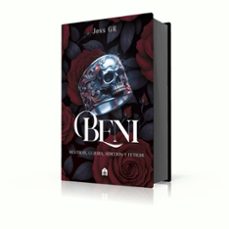
Travel to the heart of a Roman dynasty beset by power struggles and betrayal in this latest chapter of the tale of Nero
AVAILABLE TO PRE-ORDER IN PAPERBACK NOW __________
The boy Nero lives. His mother Agrippina has married her way to power, tangling the Emperor Claudius in her skirts.
The emperor may have a son and heir of his own, but Agrippina sees no obstacles to her ambition.
Rome is a path through a marsh, lit by torches. Those who walk it are always one step from disaster – and the road itself is treacherous, slippery with blood.
Claudius may have the world at his feet, but he has Agrippina in his bed. __________
PRAISE FOR CONN IGGULDEN
'Breathtakingly good’ Bernard Cornwell
‘Deft and robust storytelling, that whips through the history with plenty of blood, guts and plot-twists’ The Times
'Pacy and propulsive, cracking with energy, violence and stirring speeches, Iggulden chronicles power struggles, political machinations and the bloodthirsty ravages of up-close combat' Daily Mail
‘A master of the historical novel’ Washington Post
Ficha técnica
Editorial: Penguin
ISBN: 9781405953122
Idioma: Inglés
Encuadernación: Tapa blanda bolsillo
Fecha de lanzamiento: 26/02/2026
Especificaciones del producto
Escrito por Conn Iggulden
CONN IGGULDEN es autor de la saga La guerra de las Dos Rosas (Duomo ediciones), convertida en bestseller mundial. Nacido en la capital británica en 1971, estudió Filología Inglesa en la Universidad de Londres y fue docente durante siete años, hasta que decidió dedicarse a la escritura de manera exclusiva. Irrumpió con fuerza en la escena literaria con sus novelas históricas, convirtiéndose en uno de los autores más leídos del momento. Sus libros combinan imaginación, historia y aventuras. Ha escrito sobre Gengis Kan y el Imperio romano, entre otros temas. En la actualidad, vive en Hertfordshire con su esposa y sus hijos. Duomo ediciones ha publicado, con una gran acogida entre los lectores, su exitosa saga histórica La guerra de las Dos Rosas, el primer título de su serie El Imperio de sal, El halcón de Esparta y Las puertas de Atenas.