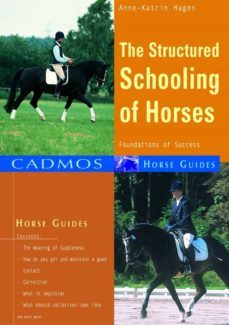
Submission and suppleness, rhythm, contact and collection are some of the basic elements that make up a horses training and which all riders need to come to grips with. But what do they actually mean, and what is their order of priority? This book gives a clear description of how a structured schooling programme can be put together and what importance should be given to each of the individual components of training.
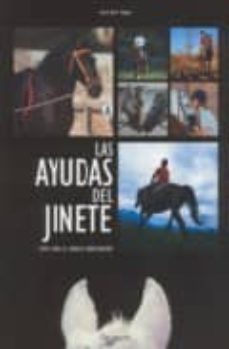
Las ayudas del jinete son la base fundamental para aprender a montar. Sin ellas, no existe entendimiento ni comunicación con el caballo. Dichas ayudas deben aplicarse claramente y sin equívocos, aunque siempre con suavidad. Entre las ayudas pueden distinguirse, basicamente, dos tipos: las naturales y las artificiales. Entre las primeras se encuentran las piernas, las manos, la voz, la posicion del cuerpo... Y entre las segundas estan los estribos , las espuelas, la fusta... Esta concisa guia le enseñara a emplear estas ayudas de una manera sencilla y con terminos faciles de entender, todo ello amenizado con utiles ilustraciones.
Trabajar sobre barras es la primera etapa para que su caballo aprenda a saltar, además de ser el mejor modo de adiestrar a su animal para que sea obediente y flexible en una superficie llana. Gracias a este sistema los caballos estaran mas atentos y tendran mas ganas de aprender, al tiempo que reforzaran los musculos del dorso. Asimismo, el adiestramiento sobre barras sera beneficioso tanto para el caballo como para el jinete. Este libro le ofrece consejos practicos para asegurarse de que su caballo esta bien preparado para el salto de obstaculos.
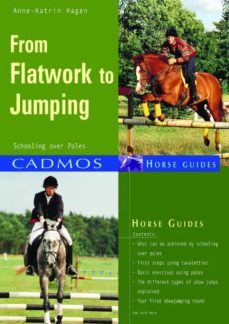
Working over poles is the first stage in starting your horse to jump, as well as being the ideal way to train your horse to be obedient and supple in his flatwork. Horses will become more attentive and eager to learn; at the same time, they will be strengthening their back muscles. Schooling over poles will help both horse and rider in equal measure. This book offers practical advice to ensure that the first steps in jumping are successful ones.
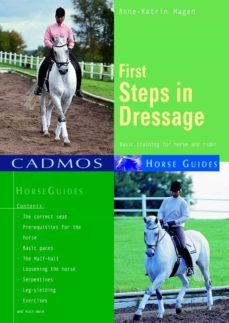
Dressage involves drawing out the natural capability of the horse and shaping it into something beautiful and expressive. The horse must learn how to balance under the rider and move in elegant self-carriage. When the rider has adopted a balanced seat, then the time is right to start the first dressage steps that will lead to a disciplined and flexible horse. The author describes lessons in serpentines, half halt, basic paces with lengthening and leg-yielding.
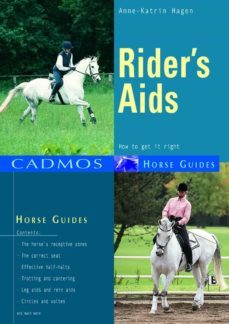
The riders aids are the be-all and end-all of riding. Without them, no understanding or communication with the horse is possible. The aids must be conveyed to the horse both clearly and distinctly, and yet unobtrusively: as fine aids. How to learn and employ these aids is dealt with in this concise guidebook in plain, easy to understand terms, amply supported by clear illustrations.