Frnaces Hodgson Burnett. A Little Princess is a 1905 childrens novel by Frances Hodgson Burnett. It is an expanded version of Burnetts 1888 short story entitled Sara Crewe: or, What Happened at Miss Minchins, which was first serialized in St. Nicholas Magazine from 1887 to 1888.
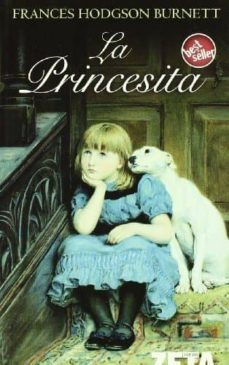
Following Sterling's spectacularly successful launch of its children's classic novels (240,000 books in print to date),comes a dazzling new series:Classic Starts. The stories are abridged; the quality is complete.Classic Startstreats the world's beloved tales (and children) with the respect they deserve--all at an incomparable price. Poor Sara Crewe. Once upon a time her beloved father pampered and adored her. But ever since he died, leaving her alone and penniless, she's been caught in the cruel clutches of Miss Minchin, the headmistress at the Select Seminary for Young Ladies, where Sara once studied. But no matter how terrible things get, Sara always has her imagination and goodness of heart to carry her through. This timeless tale of a poor orphan has won children's hearts for a century--and continues to be a favorite.
After the death of her parents, Mary is brought back from India as a forlorn and unwanted child to live in her uncle's great lonely house on the moors. Then one day she discovers the key to a secret garden and, like magic, her life begins to brighten in so many ways.
In "The Making of a Marchioness" and "The Shuttle," Frances Hodgson Burnett weaves enchanting narratives that explore themes of social class, love, and personal transformation. Both works exhibit Burnetts characteristic blend of realism and romance, set against the backdrop of early 20th-century European society. Rich in detail, these unabridged classics delve into the challenges faced by women navigating societal expectations, while Burnetts fluid prose invites readers to immerse themselves fully in her compelling characters journeys of self-discovery and empowerment. Frances Hodgson Burnett, renowned for her earlier work "The Secret Garden," had a profound understanding of social mores and the struggles of the human spirit. Born in 1849 in England and later moving to America, her experiences in both cultures informed her writing. Her keen observations of class disparities, particularly in Victorian society, fuel the emotional depth found in her portrayals of heroine figures seeking autonomy and love in restrictive environments. Burnetts life experiences, including her own societal challenges, deeply influenced the themes of aspiration and resilience in her stories. These tales are highly recommended for readers who appreciate rich, character-driven narratives that challenge societal norms while ultimately celebrating the triumph of love and personal agency. "The Making of a Marchioness" and "The Shuttle" are essential fare for those who revel in the explorations of romance intertwined with poignant social commentary.
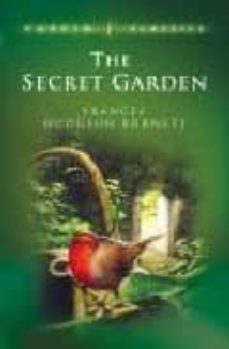
The magical story of a secret garden which has been locked away for ten years. After the death of her parents, Mary is brought back from India as a forlorn and unwanted child to live in her uncle's great lonely house on the moors. She is miserable and disagreeable, until the wonderful day she discovers a hidden door to a mysterious secret garden.
In "The Making of a Marchioness" and its sequel, "The Methods of Lady Walderhurst," Frances Hodgson Burnett deftly explores themes of class, love, and the intricacies of social ascent in Edwardian England. The narrative is rich with vivid characterizations and social commentary, wrapped in the engaging and lyrical prose that Burnett is known for. The novels center on the transformative journey of the protagonist, Emily Fox-Seton, from a life of modest means to the glittering but complex world of the aristocracy, highlighting the interplay of personal desires and societal expectations in a rapidly changing world. Frances Hodgson Burnett, already celebrated for her childrens literature, such as "The Secret Garden" and "A Little Princess," draws upon her own experiences as an immigrant and her observations of high society to craft these richly detailed narratives. Her background fostered a keen awareness of social dynamics, which she expertly weaves into both books. The importance of female agency and independence resonates throughout, reflecting her progressive views for the time. Engaging and thought-provoking, this collection is a must-read for those fascinated by social stratification and the nuanced roles women played in early 20th-century society. BurnettAos portrayal of Emilys evolution serves both as an enchanting tale and a subtle critique, offering readers both escapism and reflection.