
Imprescindibles
Más vendidos Libros más leídos eBooks más leídos Todos los libros Todos los libros Autores destacados Series y sagas
Recomendados Libros recomendados Autores destacados Libros que inspiran Vidas con historia LGTBIQ+ English books


Ficción
Literatura Contemporánea Estudios literarios Clásicos Cuentos Poesía Teatro Libros de bolsillo Sagas literarias
Géneros literarios Novela romántica y erótica Novela negra Novela histórica Narrativa fantástica Novela de ciencia ficción Novela de terror Narrativa de humor Narrativa de viajes
No Ficción
Ciencias y tecnología Biología Ciencias Ciencias naturales Divulgación científica Informática Ingeniería Matemáticas Medicina Salud y dietas Formación Idiomas Estilo de vida Libros de Cocina Guías de viaje Narrativa de viajes Deportes Libros de Juegos Manualidades
Humanidades Autoayuda y espiritualidad Ciencias humanas Derecho Economía y Empresa Psicología y Pedagogía Filosofía Sociología Filología Biblioteconomía Estudios filológicos Estudios lingüísticos Estudios literarios Historia y crítica de la Literatura


Infantil


Juvenil
#Jóvenes lectores Narrativa juvenil Clásicos adaptados Libros Wattpad Libros Booktok Libros de influencers Libros de Youtubers Libros Spicy Juveniles Libros LGTBIQ+ Temas sociales Libros ciencia ficción Libros de acción y aventura Cómic y Manga Juvenil Cómic Juvenil Manga Shonen Manga Shojo Autores destacados Jennifer L. Armentrout Eloy Moreno Nerea Llanes Hannah Nicole Maehrer
Libros de fantasía Cozy Fantasy Dark academia Hadas y Fae Romantasy Royal Fantasy Urban Fantasy Vampiros y hombres lobo Otros Misterio y terror Cozy mistery Policiaca Spooky Terror Thriller y suspense Otros
Libros románticos y de amor Dark Romance Clean Romance Cowboy Romance Mafia y amor Romance dramatico Romcom Sport Romance Otros Clichés Enemies to Lovers Friends to Lovers Hermanastros Slow Burn Fake Dating Triángulo amoroso

Cómic y Manga
Novela gráfica Novela gráfica americana Novela gráfica europea Novela gráfica de otros países Personajes, series y sagas Series y sagas Star Wars Superhéroes Cómics DC Cómics Marvel Cómics otros superhéroes Cómics Valiant




Books in English 
The Secrets Of Secrets
A thrilling and long-awaited new novel from Dan Brown


Audiolibros
Literatura Contemporánea Narrativa fantástica Novela de ciencia ficción Novela de terror Novela histórica Novela negra Novela romántica y erótica Historia Historia universal
Humanidades Autoayuda y espiritualidad Ciencias humanas Economía y empresa Psicología y pedagogía Filosofía Infantil Audiolibros infantiles
Ciencia y tecnología Ciencias naturales Divulgación científica Medicina Salud y dietas Arte Cine Música Historia del arte
eBooks
Literatura Contemporánea Narrativa fantástica Novela de ciencia ficción Novela de terror Novela histórica Novela negra Novela romántica y erótica Juvenil Más de 13 años Más de 15 años Infantil eBooks infantiles
Humanidades Autoayuda y espiritualidad Ciencias humanas Economía y Empresa Psicología y Pedagogía Filosofía Historia Historia de España Historia Universal Arte Cine Música Historia del arte
Ciencia y tecnología Ciencias naturales Divulgación científica Medicina Salud y dietas Filología Estudios lingüísticos Estudios literarios Historia y crítica de la Literatura Estilo de vida Cocina Guías de viaje Ocio y deportes


Henry Walter Bates
Recibe novedades de HENRY WALTER BATES directamente en tu email
Filtros
Del 1 al 6 de 6
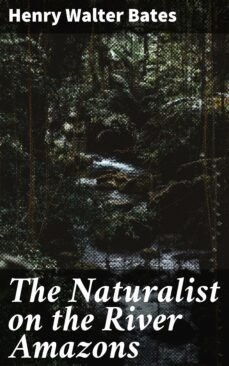
Good Press 4057664640475
In "The Naturalist on the River Amazons," Henry Walter Bates presents a meticulous and vivid account of his explorations in the Amazon rainforest during the mid-19th century. Bates employs a blend of keen observation and lyrical prose to document the diverse flora and fauna he encountered, showcasing the rich biodiversity of the region. His work is rooted in the scientific tradition of naturalism, capturing not only the natural wonders but also the social and cultural dynamics of Amazonian life, thereby situating his observations within a broader context of Victorian scientific inquiry and adventure literature. Bates, an eminent English naturalist and contemporary of Charles Darwin, was profoundly influenced by the burgeoning field of natural history and the spirit of scientific exploration prevalent in his time. His extensive travels in the Amazon from 1848 to 1859 contributed immensely to the understanding of biological diversity and evolution. Bates experiences were informed by his commitment to empirical observation and his desire to unravel the mysteries of the natural world, forming a significant link between science and literature in the Victorian era. "The Naturalist on the River Amazons" is a compelling invitation for readers to immerse themselves in the wonders of an ecosystem that remains crucial to our understanding of biodiversity. This richly layered narrative not only enlightens readers on the scientific marvels of the Amazon but also engages them with the thrill of exploration and adventure. It is a must-read for anyone interested in natural history, ecology, or the history of scientific thought.In this enriched edition, we have carefully created added value for your reading experience:- A succinct Introduction situates the works timeless appeal and themes.- The Synopsis outlines the central plot, highlighting key developments without spoiling critical twists.- A detailed Historical Context immerses you in the eras events and influences that shaped the writing.- An Author Biography reveals milestones in the authors life, illuminating the personal insights behind the text.- A thorough Analysis dissects symbols, motifs, and character arcs to unearth underlying meanings.- Reflection questions prompt you to engage personally with the works messages, connecting them to modern life.- Handpicked Memorable Quotes shine a spotlight on moments of literary brilliance.- Interactive footnotes clarify unusual references, historical allusions, and archaic phrases for an effortless, more informed read.
Ver más
eBook
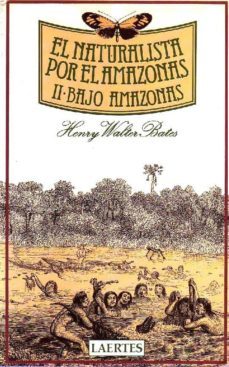
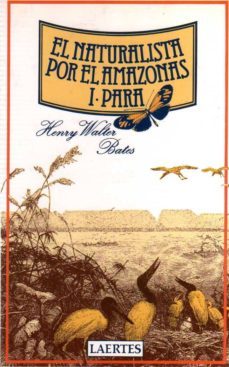
Laertes editorial, S.L. 9788475840253
Tapa blanda
PENGUIN 9780141025391
Great Journeys allows readers to travel both around the planet and back through the centuries - but also back into ideas and worlds frightening, ruthless and cruel in different ways from our own. Few reading experiences can begin to match that of engaging with writers who saw astounding things: Great civilisations, walls of ice, violent and implacable jungles, deserts and mountains, multitudes of birds and flowers new to science. Reading these books is to see the world afresh, to rediscover a time when many cultures were quite strange to each other, where legends and stories were treated as facts and in which so much was still to be discovered.
Ver más
Otros
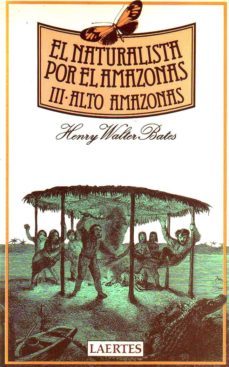
LAERTES 9788475840321
Tapa blanda
DigiCat 8596547171348
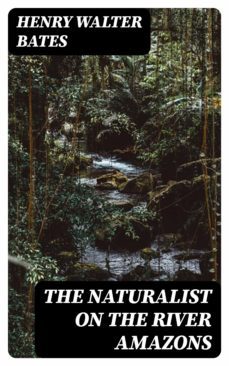
In "The Naturalist on the River Amazons," Henry Walter Bates embarks on an enthralling exploration of the Amazon rainforest, blending vivid descriptions of the landscape with a meticulous examination of its diverse flora and fauna. Written in the mid-19th century, the book captures the fervor of the Victorian eras scientific inquiry, showcasing Bates masterful, lyrical prose that balances rich narrative with rigorous observation. With an ethnographic lens, he presents not only the biological wonders of the Amazon but also the complexities of the indigenous cultures, crafting a seminal text that intertwines adventure and science within a burgeoning field of natural history. Bates, a dedicated entomologist and a pioneering figure in the study of biodiversity, spent over eleven years in South America. Influenced by the intellectual currents of his time and his friendship with contemporaries like Charles Darwin, Bates aimed to elucidate the mechanisms of natural selection and adaptation within the Amazons ecosystems. His firsthand experiences and challenges faced during his expeditions lent authenticity and depth to his narrative, forging a deeply personal yet scholarly account of the natural world. I highly recommend "The Naturalist on the River Amazons" to readers with an interest in natural history and adventure literature. Bates insights into biodiversity, coupled with his engaging storytelling, make this work not only a vital historical document but also a captivating narrative that continues to resonate with contemporary discussions around ecology and conservation.In this enriched edition, we have carefully created added value for your reading experience:- A succinct Introduction situates the works timeless appeal and themes.- The Synopsis outlines the central plot, highlighting key developments without spoiling critical twists.- A detailed Historical Context immerses you in the eras events and influences that shaped the writing.- A thorough Analysis dissects symbols, motifs, and character arcs to unearth underlying meanings.- Reflection questions prompt you to engage personally with the works messages, connecting them to modern life.- Handpicked Memorable Quotes shine a spotlight on moments of literary brilliance.- Interactive footnotes clarify unusual references, historical allusions, and archaic phrases for an effortless, more informed read.
Ver más
eBook
Del 1 al 6 de 6