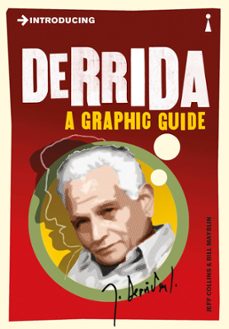
Brilliant illustrated guide to the best-known and most controversial continental philosopher of the latter 20th century. Jacques Derrida is the most famous philosopher of the late 20th century. Yet Derrida has undermined the rules of philosophy, rejected its methods, broken its procedures and contaminated it with literary styles of writing. Derridas philosophy is a puzzling array of oblique, deviant and yet rigorous tactics for destabilizing texts, meanings and identities. Deconstruction, as these strategies have been called, is reviled and celebrated in equal measure. Introducing Derrida introduces and explains his work, taking us on an intellectual adventure that disturbs some of our most comfortable habits of thought.
Martin Heidegger - philosophys hidden king, or leading exponent of a dangerously misguided secular mysticism. Heidegger has been acclaimed as the most powerfully original philosopher of the twentieth century. Profoundly influential on deconstruction, existentialism and phenomenology, he stands behind all major strands of post-structuralist and postmodern thought. Heidegger announced the end of philosophy and of humanism, and was a committed Nazi and vocal supporter of Hitlers National Socialism. Was Heidegger offering a deeply conservative mythology or a crucial deconstruction of philosophy as we have known it? "Introducing Heidegger" provides an accessible introduction to his notoriously abstruse thinking, mapping out its historical contexts and exploring its resonances in ecology, theology, art, architecture, literature and other fields. The book opens up an encounter with a kind of thinking whose outlines might still not yet be clear, and whose forms might still surprise us.
La defensa entusiasta que Heidegger hizo del nazismo dejó huellas discordantes en la cultura política de la posmodernidad. Como filósofo, elaboró un pensamiento extraordinario con el que trató de superar la tradicion filosofica occidental. Su obra se convirtio en fuente inspiracion para las anti-filosofias, anti-esencialismos y los movimientos de la era posmoderna, atrayendo a pesadores tan emblematicos como Foucault, Lacan, Derrida, Deleuze y Baudrillard. Pero los criticos vieron en sus obras falta de juicio politico y responsabilidad. Su aclamacion parece sintomatica. Reconstruye los hechos y argumentos en torno a la actitud politica de Heidegger y los situa en el debate de critica politica que caracteriza el paso al siglo XXI. Lo que esta en juego no es solo la reputacion de los filosofos, sino tambien la posibilidad de una oposicion eficaz al resurgimiento de los nazismos en nuestro tiempo.
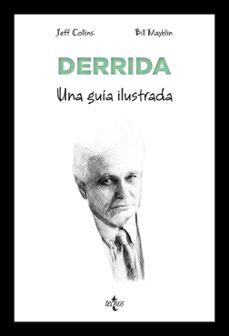
Jacques Derrida fue un filósofo. Sin embargo, nunca escribió nada directamente filosófico. Su obra ha sido calificada como la más significativa del pensamiento contemporáneo. Pero también denunciada