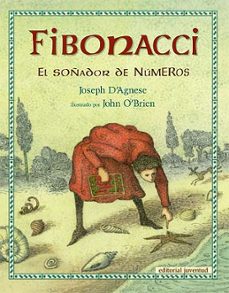
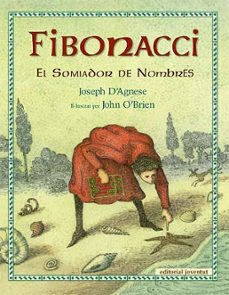
En la Itàlia medieval, vivia un nen anomenat Leonardo Fibonacci, que somiava de dia i de nit amb els nombres. Ell era un somiador i la gent no ho comprenia. Quan Leonardo va créixer i va viatjar pel
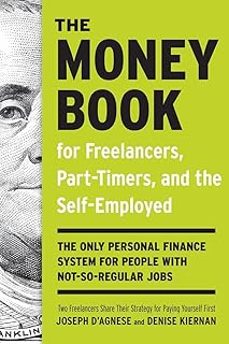
This is a book for people like us, and we all know who we are. We make our own hours, keep our own profits, chart our own way. We have things like gigs, contracts, clients, and assignments. All of us are working toward our dreams: doing our own work, on our own time, on our own terms. We have no real boss, no corporate nameplate, no cubicle of our very own. Unfortunately, we also have no 401(k)s and no one matching them, no benefits package, and no one collecting our taxes until April 15th. Its time to take stock of where you are and where you want to be. Ask yourself: Who is planning for your retirement? Who covers your expenses when clients flake out and checks are late? Who is setting money aside for your taxes? Who is responsible for your health insurance? Take a good look in the mirror: You are. The Money Book for Freelancers, Part-Timers, and the Self-Employed describes a completely new, comprehensive system for earning, spending, saving, and surviving as an independent worker. From interviews with financial experts to anecdotes from real-life freelancers, plus handy charts and graphs to help you visualize key concepts, youll learn about topics including: Managing Cash Flow When the Cash Isnt Flowing Your Way Getting Real About What Youre Really Earning Tools for Getting Out of Debt and Into Financial Security Saving Consistently When You Earn Irregularly What To Do When a Clients Check Doesnt Come In Health Savings Accounts and How To Use Them Planning for Retirement, Taxes and DreamsAll On Your Own
En la Italia medieval, vivía un niño llamado Leonardo Fibonacci, que soñaba de día y de noche con los números. Él era un soñador y la gente no lo comprendía. Cuando Leonardo creció y viajó por el mundo, descubrio que existian otras maneras de escribir los numeros y estudio todo lo que pudo sobre ellos. Fibonacci vio que muchas cosas en la naturaleza, desde el numero de petalos en una flor a la espiral de una concha, parecen seguir un patron determinado. El niño del que todos se burlaban por pensar obsesivamente en los numeros habia descubierto lo que llego a ser conocido como la Secuencia de Fibonacci y fue uno de los mayores matematicos de la Historia. A partir de 6 años.