
Imprescindibles
Más vendidos Libros más leídos eBooks más leídos Todos los libros Todos los libros Autores destacados Series y sagas
Recomendados Libros recomendados Autores destacados Libros que inspiran Vidas con historia LGTBIQ+ English books




Ficción
Literatura Contemporánea Estudios literarios Clásicos Cuentos Poesía Teatro Libros de bolsillo Sagas literarias
Géneros literarios Novela romántica y erótica Novela negra Novela histórica Narrativa fantástica Novela de ciencia ficción Novela de terror Narrativa de humor Narrativa de viajes


No Ficción
Ciencias y tecnología Biología Ciencias Ciencias naturales Divulgación científica Informática Ingeniería Matemáticas Medicina Salud y dietas Formación Idiomas Estilo de vida Libros de Cocina Guías de viaje Narrativa de viajes Deportes Libros de Juegos Manualidades
Humanidades Autoayuda y espiritualidad Ciencias humanas Derecho Economía y Empresa Psicología y Pedagogía Filosofía Sociología Filología Biblioteconomía Estudios filológicos Estudios lingüísticos Estudios literarios Historia y crítica de la Literatura




Infantil



Juvenil
#Jóvenes lectores Narrativa juvenil Clásicos adaptados Libros Wattpad Libros Booktok Libros de influencers Libros de Youtubers Libros Spicy Juveniles Libros LGTBIQ+ Temas sociales Libros ciencia ficción Libros de acción y aventura Cómic y Manga Juvenil Cómic Juvenil Manga Shonen Manga Shojo Autores destacados Jennifer L. Armentrout Eloy Moreno Nerea Llanes Hannah Nicole Maehrer
Libros de fantasía Cozy Fantasy Dark academia Hadas y Fae Romantasy Royal Fantasy Urban Fantasy Vampiros y hombres lobo Otros Misterio y terror Cozy mistery Policiaca Spooky Terror Thriller y suspense Otros
Libros románticos y de amor Dark Romance Clean Romance Cowboy Romance Mafia y amor Romance dramatico Romcom Sport Romance Otros Clichés Enemies to Lovers Friends to Lovers Hermanastros Slow Burn Fake Dating Triángulo amoroso

Cómic y Manga
Novela gráfica Novela gráfica americana Novela gráfica europea Novela gráfica de otros países Personajes, series y sagas Series y sagas Star Wars Superhéroes Cómics DC Cómics Marvel Cómics otros superhéroes Cómics Valiant




Books in English 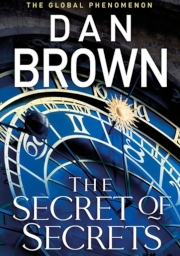
Books in English Fiction Non Fiction Comic Teen & Young Adult Main Authors Ken Follett Agatha Christie Stephen King Jane Austen Maggie O’Farrell On sale
Books in English for Young Adults Age 13+ Age 15+ Young Adult Authors Rebecca Yarros Sarah J. Maas Brandon Sanderson Ali Hazelwood Alice Oseman



The Secrets Of Secrets
A thrilling and long-awaited new novel from Dan Brown
Audiolibros
Literatura Contemporánea Narrativa fantástica Novela de ciencia ficción Novela de terror Novela histórica Novela negra Novela romántica y erótica Historia Historia universal
Humanidades Autoayuda y espiritualidad Ciencias humanas Economía y empresa Psicología y pedagogía Filosofía Infantil Audiolibros infantiles
Ciencia y tecnología Ciencias naturales Divulgación científica Medicina Salud y dietas Arte Cine Música Historia del arte
eBooks
Literatura Contemporánea Narrativa fantástica Novela de ciencia ficción Novela de terror Novela histórica Novela negra Novela romántica y erótica Juvenil Más de 13 años Más de 15 años Infantil eBooks infantiles
Humanidades Autoayuda y espiritualidad Ciencias humanas Economía y Empresa Psicología y Pedagogía Filosofía Historia Historia de España Historia Universal Arte Cine Música Historia del arte
Ciencia y tecnología Ciencias naturales Divulgación científica Medicina Salud y dietas Filología Estudios lingüísticos Estudios literarios Historia y crítica de la Literatura Estilo de vida Cocina Guías de viaje Ocio y deportes



TEIXEIRA COELHO
Recibe novedades de TEIXEIRA COELHO directamente en tu email
Filtros
Del 1 al 7 de 7

Iluminuras 9786555190120
Computational culture --eCulture-- has so far been considered as a set of more or less loose traits and phenomena that part of the humanity (those over 30 years old) does not try to understand ("it is too difficult to apprehend -- and besides, it works") while the other half, the younger ones, who were born inside this new culture, blanketed by it and who tend to think of it as "natural given", do not feel the urge to fully understand, neither. "Virtual reality gives me this, the algorithms give me that, what else there is to it?"eCulture, however, has become dense and rich enough to be considered as a language, with its units of meaning -- both at the level of its visible figures or significants and at the level of the meaning each one of them conveys. It is a language just as film and English are languages. If humanity does not break the code of this language as an overall and comprehensive tool to represent the world, therefore failing to use it according to its own will and needs, this new language will speak the human being, will express itself through the human being, instead of being spoken by humanity. This book suggests the way to consider eCulture as a language and chooses as an instrument of analysis a convergence between the Humanities (philosophy, arts and culture) and the "hard sciences".
Ver más
eBook

GEDISA 9788497842860
La política cultural es un ámbito en el que confluyen vertientes de discurso muy diversas, que van desde la academia al ejercicio directo de responsabilidades públicas y empresariales. Esta concurrencia hace especialmente valioso el presente volumen, que bajo el formato de un diccionario ofrece un sistema de comprension organica de la politica cultural en la contemporaneidad. Las entradas remiten al lector a distintos aspectos de este relevante campo, con la ayuda de un abundante cuerpo de referencias bibliograficas, y no solamente contienen el significado de la palabra o expresion indicada, tambien incluyen un comentario critico sobre el uso que se hace de ella.
Ver más
Tapa blanda

Iluminuras 9788573216264
Um grupo de amigos decide reunir-se em São Petersburgo,um epicentro da história do século 20,para conferir o que sonharam a partir dela,ver se poderiam ter sonhado outros sonhos,definir o que ficou d
Ver más
eBook
Iluminuras 9788573215052
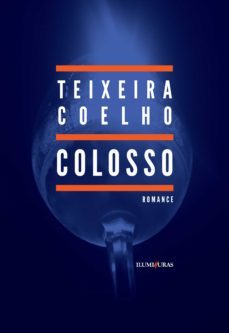
Encurralado entre os séculos XX e o XXI, Josep Marília integra a diáspora brasileira movida no século anterior por razões políticas e, no novo, outra vez por razões políticas. No exterior, ele busca,
Ver más
eBook

Iluminuras 9786555191172
Technology changes culture in all possible ways. In the external world and in our internal world, our feelings, our emotions, our judgment. And now there is a radical technology that is generating radical changes. When the powder was invented, opening the doors to fire arms, it must have been astounding, people may have felt at the brink of a catastrophe. The same with the steam machines being used in ships and trains. Speed was both frightening and exhilarating. And with the internal combustion engine there came almost limitless mobility and it was huge and liberating. Current technology is even more impressive because it has no physical bounds: it happens also inside our minds and bodies. This is immense and all that is immense, Sophocles noted, may bring about a curse Museums and art itself will change and are changing, the meaning of ethics is different from what it was a few decades ago, psychological issues are being addressed with the manipulation of images. It is a new world, it remains to be seen whether it is brave...
Ver más
eBook

Iluminuras 9788573214314
Logo no início o narrador desta história, seu aparente personagem principal, anuncia: "esta é uma história sobre a felicidade". Anuncia ou adverte que em jogo está a "tola felicidade", a "insensata busca da felicidade".Adverte e bem a palavra. E preciso estar ciente de que se vai ler sobre isso. Borges escreveu em algum lugar: o romance contemporaneo no mais pode ser uma historia de sucessos, vitorias e afirmaçes, materia hoje apenas para as biografias e os livros de autoajuda. A ficço ficou com o "heroi problematico", o fracasso e o beco sem saida.E no entanto... a felicidade esta ao alcance do personagem, que se surpreende com a quantidade de momentos felizes em sua vida. Mesmo quando "a felicidade no e alegre", como viu Godard sugerir num filme.A forma dessa busca e a de um livro de viagem, genero classico e atual em tempos de globalizaço. As pessoas ficam umas com as outras, como diz o novo eufemismo para o sexo, mas no ficam em lugar algum: esto por toda parte - o que significa, tambem, em parte alguma. Viraram utopias de si mesmas.O timbre estilistico deste livro e diferente daquele de romances anteriores do autor. As palavras e frases passam rapidas e breves e os saltos na narrativa so mais frequentes. O tema e a relaço entre o homem e a mulher num mundo que desaparece e se altera de um modo inquietante que no entanto parece normal.O passado e o pano de fundo (com um ano da decada de 70 que retorna sempre: 1973, o mesmo do golpe no Chile e de tanta coisa) mas no um problema: o personagem esta ancorado num presente que se estende.E uma jornada, e sentimental e começa ja no indice do livro, parte integrante da narrativa que se inicia, ou termina, numa So Paulo sob a neve. Mas no ha nada de realismo magico ou outro cliche vazio aqui, a chave e outra, a epigrafe de Paul Celan da a melhor pista: Voce e minha realidade / Eu sou sua miragem. O personagem talvez seja uma miragem da cidade e a cidade, qualquer delas, e sua realidade.
Ver más
eBook

Del 1 al 7 de 7