
leer_primeras_paginas Leer primeras páginas

📱 eBook en inglés LAWS

Simone Vannini- 9786050413502

Filosofía Historia de la filosofía

Sinopsis de LAWS

In other dialogues of Plato, as well as in the Republic, there are to be found parallels with the Laws. Such resemblances, as we might expect, occur chiefly (but not exclusively) in the dialogues which, on other grounds, we may suppose to be of later date. The punishment of evil is to be like evil men (Laws), as he says also in the Theaetetus. Compare again the dependence of tragedy and comedy on one another, of which he gives the reason in the Laws—For serious things cannot be understood without laughable, nor opposites at all without opposites, if a man is really to have intelligence of either; here he puts forward the principle which is the groundwork of the thesis of Socrates in the Symposium, that the genius of tragedy is the same as that of comedy, and that the writer of comedy ought to be a writer of tragedy also. There is a truth and right which is above Law (Laws), as we learn also from the Statesman. That men are the possession of the Gods (Laws), is a reflection which likewise occurs in the Phaedo. The remark, whether serious or ironical (Laws), that the sons of the Gods naturally believed in the Gods, because they had the means of knowing about them, is found in the Timaeus. The reign of Cronos, who is the divine ruler (Laws), is a reminiscence of the Statesman. It is remarkable that in the Sophist and Statesman (Soph.), Plato, speaking in the character of the Eleatic Stranger, has already put on the old man. The madness of the poets, again, is a favourite notion of Platos, which occurs also in the Laws, as well as in the Phaedrus, Ion, and elsewhere. There are traces in the Laws of the same desire to base speculation upon history which we find in the Critias. Once more, there is a striking parallel with the paradox of the Gorgias, that if you do evil, it is better to be punished than to be unpunished, in the Laws: To live having all goods without justice and virtue is the greatest of evils if life be immortal, but not so great if the bad man lives but a short time.

Léelo en cualquier dispositivo


Ficha técnica


Editorial: Simone Vannini

ISBN: 9786050413502

Idioma: Inglés

Fecha de lanzamiento: 07/09/2015

Especificaciones del producto


App gratuita de lectura Tagus

Ahora tu lectura es multidispositivo, con la App de Tagus, puedes tener todos tus libros en tu tablet y smartphone. Aprovecha cualquier momento para seguir disfrutando de las lecturas que más te gustan.
Ver más

Escrito por Platón


Platón
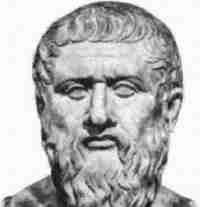
PLATÓN. (Atenas o Egina,2 ca. 427-347 a. C.) fue un filósofo griego seguidor de Sócrates y maestro de Aristóteles. En 387 fundó la Academia, institución que continuaría su marcha a lo largo de más de novecientos años y a la que Aristóteles acudiría desde Estagira a estudiar filosofía alrededor del 367, compartiendo, de este modo, unos veinte años de amistad y trabajo con su maestro. Platón participó activamente en la enseñanza de la Academia y escribió, siempre en forma de diálogo, sobre los más diversos temas, tales como filosofía política, ética, psicología, antropología filosófica, epistemología, gnoseología, metafísica, cosmogonía, cosmología, filosofía del lenguaje y filosofía de la educación; intentó también plasmar en un Estado real su original teoría política, razón por la cual viajó dos veces a Siracusa, Sicilia, con intenciones de poner en práctica allí su proyecto, pero fracasó en ambas ocasiones y logró escapar penosamente y corriendo peligro su vida debido a las persecuciones que sufrió por parte de sus opositores. Su influencia como autor y sistematizador ha sido incalculable en toda la historia de la filosofía, de la que se ha dicho con frecuencia que alcanzó identidad como disciplina gracias a sus trabajos.
Descubre más sobre Platón
Recibe novedades de Platón directamente en tu email

Opiniones sobre LAWS (EBOOK)


¡Sólo por opinar entras en el sorteo mensual de tres tarjetas regalo valoradas en 20€*!

Los eBooks más vendidos de la semana