
📱 eBook en inglés PHAEDRUS

9791221360608

Filosofía Historia de la filosofía

Sinopsis de PHAEDRUS

Phaedrus by Plato written by Plato, is a dialogue between Platos protagonist, Socrates, and Phaedrus, an interlocutor in several dialogues. The Phaedrus was presumably composed around 370 BCE, about the same time as Platos Republic and Symposium. Although ostensibly about the topic of love, the discussion in the dialogue revolves around the art of rhetoric and how it should be practiced, and dwells on subjects as diverse as metempsychosis (the Greek tradition of reincarnation) and erotic love.

One of the dialogues central passages is the famous Chariot Allegory, which presents the human soul as composed of a charioteer, a good horse tending upward to the divine, and a bad horse tending downward to material embodiment.

The dialogue consists of a series of three speeches on the topic of love that serves as the subject to construct a discussion on the proper use of rhetoric. They encompass discussions of the soul, madness, divine inspiration, and the practice and mastery of an art.

As they walk out into the countryside, Socrates tries to convince Phaedrus to repeat the speech of Lysias which he has just heard. Phaedrus makes several excuses, but Socrates suspects strongly that Phaedrus has a copy of the speech with him.

Saying that while Lysias is present, he would never allow himself to be used as a training partner for Phaedrus to practice his own speech-making on, he asks Phaedrus to expose what he is holding under his cloak. Phaedrus gives in and agrees to perform Lysias speech.

Léelo en cualquier dispositivo


Ficha técnica


ISBN: 9791221360608

Idioma: Inglés

Fecha de lanzamiento: 02/06/2022

Especificaciones del producto


App gratuita de lectura Tagus

Ahora tu lectura es multidispositivo, con la App de Tagus, puedes tener todos tus libros en tu tablet y smartphone. Aprovecha cualquier momento para seguir disfrutando de las lecturas que más te gustan.
Ver más

Escrito por Platón


Platón
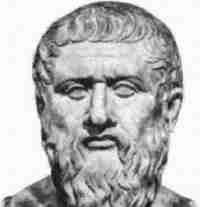
PLATÓN. (Atenas o Egina,2 ca. 427-347 a. C.) fue un filósofo griego seguidor de Sócrates y maestro de Aristóteles. En 387 fundó la Academia, institución que continuaría su marcha a lo largo de más de novecientos años y a la que Aristóteles acudiría desde Estagira a estudiar filosofía alrededor del 367, compartiendo, de este modo, unos veinte años de amistad y trabajo con su maestro. Platón participó activamente en la enseñanza de la Academia y escribió, siempre en forma de diálogo, sobre los más diversos temas, tales como filosofía política, ética, psicología, antropología filosófica, epistemología, gnoseología, metafísica, cosmogonía, cosmología, filosofía del lenguaje y filosofía de la educación; intentó también plasmar en un Estado real su original teoría política, razón por la cual viajó dos veces a Siracusa, Sicilia, con intenciones de poner en práctica allí su proyecto, pero fracasó en ambas ocasiones y logró escapar penosamente y corriendo peligro su vida debido a las persecuciones que sufrió por parte de sus opositores. Su influencia como autor y sistematizador ha sido incalculable en toda la historia de la filosofía, de la que se ha dicho con frecuencia que alcanzó identidad como disciplina gracias a sus trabajos.
Descubre más sobre Platón
Recibe novedades de Platón directamente en tu email

Opiniones sobre PHAEDRUS (EBOOK)


¡Sólo por opinar entras en el sorteo mensual de tres tarjetas regalo valoradas en 20€*!

Los eBooks más vendidos de la semana