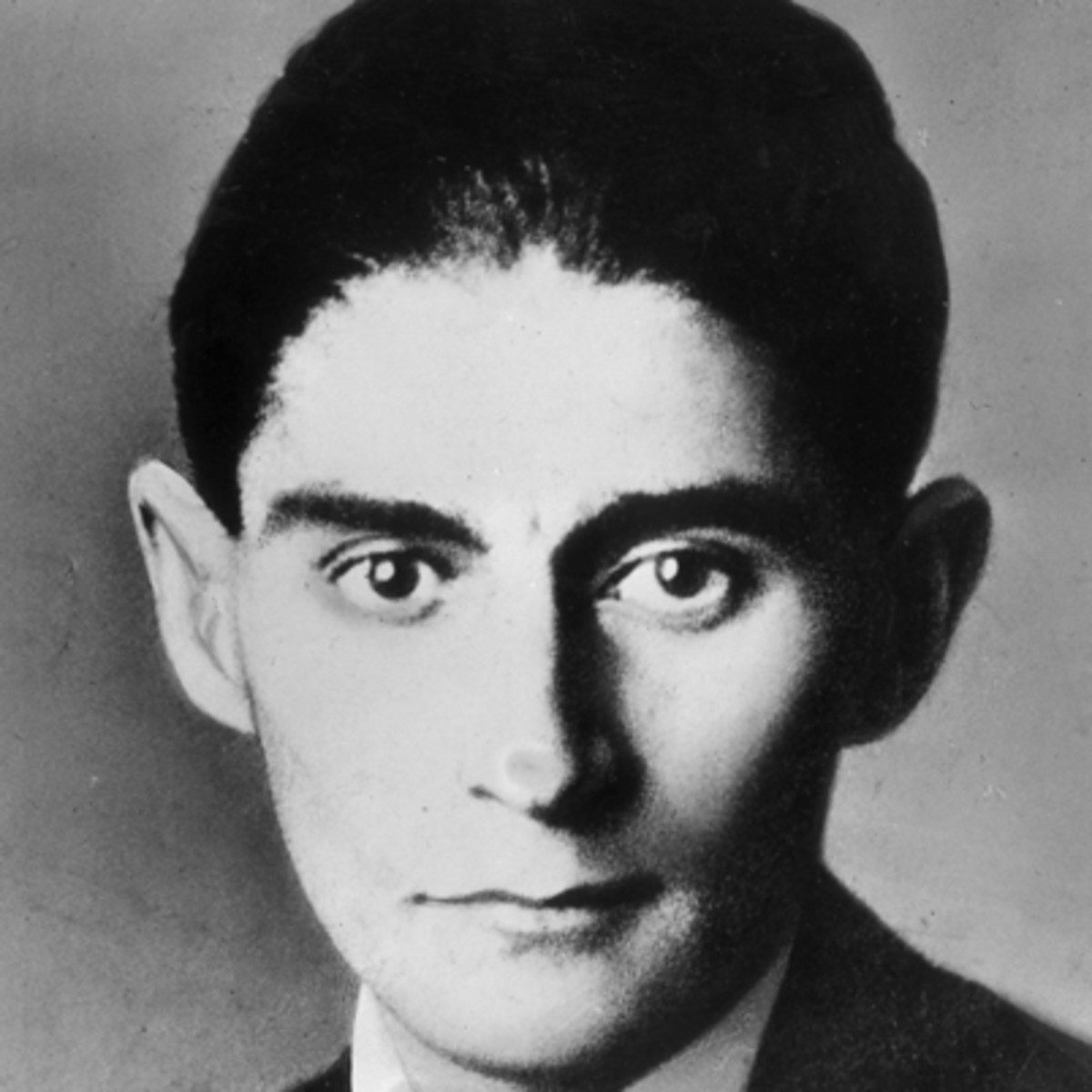



























A haunting exploration of identity, isolation, and the fragile boundaries of humanity, The Metamorphosis by Franz Kafka stands as one of the most influential works of twentieth-century literature. First published in 1915, this unforgettable novella delves into the psychological and emotional consequences of alienation in a world governed by duty, expectation, and silent despair.
The story begins with one of the most startling openings in literary history: Gregor Samsa, a traveling salesman and devoted son, awakens one morning to find himself transformed into a monstrous insect. Trapped within his altered body and confined to his bedroom, Gregor struggles to comprehend his new existence while worrying more about missing work than about his inexplicable condition. As he attempts to adapt, his family—once financially dependent on him—must confront the burden of his transformation.
Kafka masterfully shifts the focus from the surreal event itself to the quiet unraveling of family bonds. Gregors metamorphosis exposes underlying tensions, resentments, and unspoken frustrations within the household. His parents and sister, initially shocked and sympathetic, gradually grow fearful, ashamed, and impatient. The room that once offered him refuge becomes a symbol of his increasing isolation, and the apartment that housed a family unit transforms into a space of emotional distance and moral ambiguity.
Through sparse yet powerful prose, Kafka examines themes of alienation, guilt, responsibility, and the search for meaning in a modern, impersonal world. Gregors condition can be read as a metaphor for social exclusion, mental anguish, or the dehumanizing pressures of work and conformity. The storys surreal premise heightens its emotional realism, inviting readers to confront uncomfortable questions about compassion, identity, and the value of an individual when usefulness fades.
Both unsettling and deeply moving, The Metamorphosis continues to resonate with readers for its profound insight into the human condition. Kafkas distinctive blend of absurdity and psychological depth creates a narrative that is as thought-provoking today as it was over a century ago. This timeless classic remains a powerful meditation on transformation—not only of the body, but of relationships, perception, and self-worth.