
Imprescindibles
Más vendidos Libros más leídos eBooks más leídos Todos los libros Todos los libros Autores destacados Series y sagas
Recomendados Libros recomendados Autores destacados Libros que inspiran Vidas con historia LGTBIQ+ English books



Ficción
Literatura Contemporánea Estudios literarios Clásicos Cuentos Poesía Teatro Libros de bolsillo Sagas literarias
Géneros literarios Novela romántica y erótica Novela negra Novela histórica Narrativa fantástica Novela de ciencia ficción Novela de terror Narrativa de humor Narrativa de viajes


No Ficción
Ciencias y tecnología Biología Ciencias Ciencias naturales Divulgación científica Informática Ingeniería Matemáticas Medicina Salud y dietas Formación Idiomas Estilo de vida Libros de Cocina Guías de viaje Narrativa de viajes Deportes Libros de Juegos Manualidades
Humanidades Autoayuda y espiritualidad Ciencias humanas Derecho Economía y Empresa Psicología y Pedagogía Filosofía Sociología Filología Biblioteconomía Estudios filológicos Estudios lingüísticos Estudios literarios Historia y crítica de la Literatura



Infantil


Juvenil
#Jóvenes lectores Narrativa juvenil Clásicos adaptados Libros Wattpad Libros Booktok Libros de influencers Libros de Youtubers Libros Spicy Juveniles Libros LGTBIQ+ Temas sociales Libros ciencia ficción Libros de acción y aventura Cómic y Manga Juvenil Cómic Juvenil Manga Shonen Manga Shojo Autores destacados Jennifer L. Armentrout Eloy Moreno Nerea Llanes Hannah Nicole Maehrer
Libros de fantasía Cozy Fantasy Dark academia Hadas y Fae Romantasy Royal Fantasy Urban Fantasy Vampiros y hombres lobo Otros Misterio y terror Cozy mistery Policiaca Spooky Terror Thriller y suspense Otros
Libros románticos y de amor Dark Romance Clean Romance Cowboy Romance Mafia y amor Romance dramatico Romcom Sport Romance Otros Clichés Enemies to Lovers Friends to Lovers Hermanastros Slow Burn Fake Dating Triángulo amoroso

Cómic y Manga
Novela gráfica Novela gráfica americana Novela gráfica europea Novela gráfica de otros países Personajes, series y sagas Series y sagas Star Wars Superhéroes Cómics DC Cómics Marvel Cómics otros superhéroes Cómics Valiant




Books in English 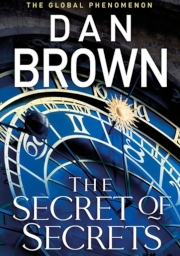
The Secrets Of Secrets
A thrilling and long-awaited new novel from Dan Brown

Audiolibros
Literatura Contemporánea Narrativa fantástica Novela de ciencia ficción Novela de terror Novela histórica Novela negra Novela romántica y erótica Historia Historia universal
Humanidades Autoayuda y espiritualidad Ciencias humanas Economía y empresa Psicología y pedagogía Filosofía Infantil Audiolibros infantiles
Ciencia y tecnología Ciencias naturales Divulgación científica Medicina Salud y dietas Arte Cine Música Historia del arte
eBooks
Literatura Contemporánea Narrativa fantástica Novela de ciencia ficción Novela de terror Novela histórica Novela negra Novela romántica y erótica Juvenil Más de 13 años Más de 15 años Infantil eBooks infantiles
Humanidades Autoayuda y espiritualidad Ciencias humanas Economía y Empresa Psicología y Pedagogía Filosofía Historia Historia de España Historia Universal Arte Cine Música Historia del arte
Ciencia y tecnología Ciencias naturales Divulgación científica Medicina Salud y dietas Filología Estudios lingüísticos Estudios literarios Historia y crítica de la Literatura Estilo de vida Cocina Guías de viaje Ocio y deportes



Novedades del último mes en eBooks de Estética
Te puede interesar
Categorias
Filtros
Del 1 al 3 de 3
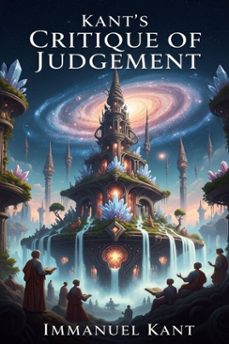
Bu Classics Books 9786726551323
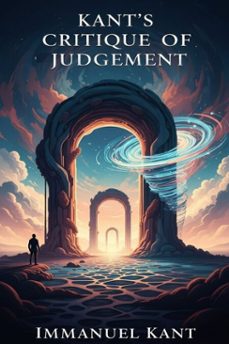
This philosophical work bridges the gap between theoretical knowledge and practical morality by investigating the power of judgment. Kant explores the nature of the beautiful and the sublime, arguing that aesthetic appreciation is a subjective yet universal experience. He also examines teleology in nature, asking whether the natural world exhibits purpose and design. It is a complex study of how we perceive harmony in art and the world around us.
Ver más
eBook
IMMANUEL KANT
Classic Books Forever 9786726001347
This work explores the bridge between the determined world of nature and the free world of morality through the faculty of judgment. Kant analyzes our experience of the beautiful and the sublime, arguing that aesthetic pleasure acts as a symbol of the morally good. He also investigates the concept of teleology, asking if living organisms must be understood as having an internal purpose. It is a dense but rewarding study of how the human mind organizes the chaos of the world into harmony.
Ver más
eBook
Classic Books Forever 9786726000975
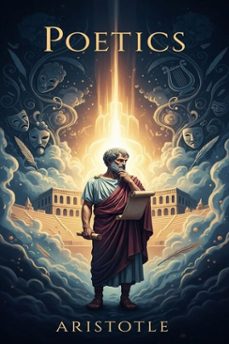
In this concise analysis of dramatic art, Aristotle identifies the key components that make tragedy a powerful medium for emotional cleansing. He discusses the necessity of a unified plot, the "hamartia" or tragic flaw of the hero, and the cathartic effect of pity and fear on the audience. The text contrasts poetry with history, arguing that poetry is more philosophical because it deals with universals rather than particulars. It remains the primary source for understanding the structure and purpose of classical storytelling.
Ver más
eBook
Del 1 al 3 de 3