
Imprescindibles
Más vendidos Libros más leídos eBooks más leídos Todos los libros Todos los libros Autores destacados Series y sagas
Recomendados Libros recomendados Autores destacados Libros que inspiran Vidas con historia LGTBIQ+ English books




Ficción
Literatura Contemporánea Estudios literarios Clásicos Cuentos Poesía Teatro Libros de bolsillo Sagas literarias
Géneros literarios Novela romántica y erótica Novela negra Novela histórica Narrativa fantástica Novela de ciencia ficción Novela de terror Narrativa de humor Narrativa de viajes


No Ficción
Ciencias y tecnología Biología Ciencias Ciencias naturales Divulgación científica Informática Ingeniería Matemáticas Medicina Salud y dietas Formación Idiomas Estilo de vida Libros de Cocina Guías de viaje Narrativa de viajes Deportes Libros de Juegos Manualidades
Humanidades Autoayuda y espiritualidad Ciencias humanas Derecho Economía y Empresa Psicología y Pedagogía Filosofía Sociología Filología Biblioteconomía Estudios filológicos Estudios lingüísticos Estudios literarios Historia y crítica de la Literatura



Infantil




Juvenil
#Jóvenes lectores Narrativa juvenil Clásicos adaptados Libros Wattpad Libros Booktok Libros de influencers Libros de Youtubers Libros Spicy Juveniles Libros LGTBIQ+ Temas sociales Libros ciencia ficción Libros de acción y aventura Cómic y Manga Juvenil Cómic Juvenil Manga Shonen Manga Shojo Autores destacados Jennifer L. Armentrout Eloy Moreno Nerea Llanes Hannah Nicole Maehrer
Libros de fantasía Cozy Fantasy Dark academia Hadas y Fae Romantasy Royal Fantasy Urban Fantasy Vampiros y hombres lobo Otros Misterio y terror Cozy mistery Policiaca Spooky Terror Thriller y suspense Otros
Libros románticos y de amor Dark Romance Clean Romance Cowboy Romance Mafia y amor Romance dramatico Romcom Sport Romance Otros Clichés Enemies to Lovers Friends to Lovers Hermanastros Slow Burn Fake Dating Triángulo amoroso

Cómic y Manga
Novela gráfica Novela gráfica americana Novela gráfica europea Novela gráfica de otros países Personajes, series y sagas Series y sagas Star Wars Superhéroes Cómics DC Cómics Marvel Cómics otros superhéroes Cómics Valiant




Books in English 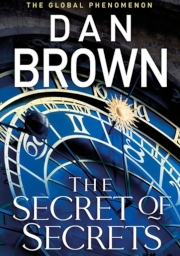
Books in English Fiction Non Fiction Comic Teen & Young Adult Main Authors Ken Follett Agatha Christie Stephen King Jane Austen Maggie O’Farrell On sale
Books in English for Young Adults Age 13+ Age 15+ Young Adult Authors Rebecca Yarros Sarah J. Maas Brandon Sanderson Ali Hazelwood Alice Oseman



The Secrets Of Secrets
A thrilling and long-awaited new novel from Dan Brown
Audiolibros
Literatura Contemporánea Narrativa fantástica Novela de ciencia ficción Novela de terror Novela histórica Novela negra Novela romántica y erótica Historia Historia universal
Humanidades Autoayuda y espiritualidad Ciencias humanas Economía y empresa Psicología y pedagogía Filosofía Infantil Audiolibros infantiles
Ciencia y tecnología Ciencias naturales Divulgación científica Medicina Salud y dietas Arte Cine Música Historia del arte
eBooks
Literatura Contemporánea Narrativa fantástica Novela de ciencia ficción Novela de terror Novela histórica Novela negra Novela romántica y erótica Juvenil Más de 13 años Más de 15 años Infantil eBooks infantiles
Humanidades Autoayuda y espiritualidad Ciencias humanas Economía y Empresa Psicología y Pedagogía Filosofía Historia Historia de España Historia Universal Arte Cine Música Historia del arte
Ciencia y tecnología Ciencias naturales Divulgación científica Medicina Salud y dietas Filología Estudios lingüísticos Estudios literarios Historia y crítica de la Literatura Estilo de vida Cocina Guías de viaje Ocio y deportes



Novedades del último mes en eBooks de Lógica
Te puede interesar
Categorias
Filtros
Del 1 al 5 de 5
epubli 9783565247646
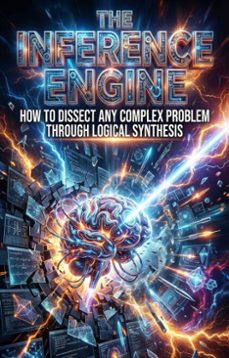
Do you feel overwhelmed by the complexity of modern problems? The Inference Engine shows you how to turn your thinking into a precise apparatus. We use the tools of formal logic and deductive derivation to punch through walls of information fog.Its about concluding from the known to the unknown without guessing. Learn how to isolate assumptions, test causal chains, and uncover the root of a problem. We examine the thinking patterns of the best strategists and scientists. This book offers hard training for your mind.Become an expert in analysis and make decisions based on facts, not on gut feeling. Get your engine running and solve what others think is unsolvable. We show you how to recognize and neutralize cognitive biases to achieve objective results. Learn how to break down complex systems into their individual parts and reach new solutions through logical synthesis. In a world full of half-truths, your sharp mind is your only safety. Start the engine.
Ver más
eBook
Bu Classics Books 9786726550913
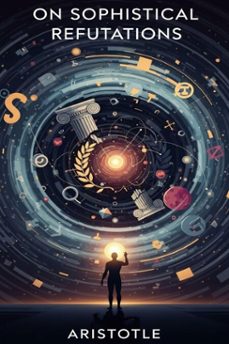
Aristotle addresses the nature of logical fallacies and deceptive arguments used to mislead in debate. He categorizes these "sophisms" and provides methods for detecting and refuting them, emphasizing the importance of genuine reasoning over rhetorical trickery. The work serves as a manual for dialectic defense, equipping the reader to distinguish between valid proofs and apparent truths. It is an essential component of the Organon, refining the tools of logic and critical thinking.
Ver más
eBook
Bu Classics Books 9786726550982
Aristotle establishes a system of classification for all things that can be said or thought, identifying ten distinct modes of being. These categories, including substance, quantity, quality, and relation, form the basis for constructing logical propositions and understanding reality. The text analyzes how we predicate attributes to subjects, creating a framework for definition and reasoning. It is the opening work of the Organon, setting the stage for all subsequent logical inquiry.
Ver más
eBook
Classic Books Forever 9786726000937
Aristotle exposes the tricks and fallacies used in competitive debate to produce the illusion of refutation without the substance of truth. He categorizes the various forms of verbal ambiguity and logical error, teaching the student how to dismantle a deceptive argument. The work serves as a defensive manual for the philosopher, protecting the integrity of dialectic against those who argue for victory rather than truth. It emphasizes the importance of precise language and valid reasoning in the pursuit of knowledge.
Ver más
eBook

WISE, DONELLA
epubli 9783565233298
Stop treating symptoms and start curing diseases. We live in a complex web of interconnected systemsthe economy, the climate, our bodiesyet we are taught to think in straight lines (Cause - Effect). "Thinking in Systems" (inspired by Donella Meadows) equips you with the mindset to understand and solve complex problems.Learn to see the world in loops, stocks, and flows. Why do well-intentioned policies often lead to worse outcomes (cobra effect)? Because of feedback loops and delays. Discover how to identify "leverage points"places in the system where a small shift in one thing can produce big changes in everything.From corporate strategy to environmental sustainability, systems thinking is the tool for the 21st century. Move beyond reacting to events and start understanding the structures that cause them. If you want to change the result, you must change the system.
Ver más
eBook
Del 1 al 5 de 5