
Imprescindibles
Más vendidos Libros más leídos eBooks más leídos Todos los libros Todos los libros Autores destacados Series y sagas
Recomendados Libros recomendados Autores destacados Libros que inspiran Vidas con historia LGTBIQ+ English books

Ficción
Literatura Contemporánea Estudios literarios Clásicos Cuentos Poesía Teatro Libros de bolsillo Sagas literarias
Géneros literarios Novela romántica y erótica Novela negra Novela histórica Narrativa fantástica Novela de ciencia ficción Novela de terror Narrativa de humor Narrativa de viajes
No Ficción
Ciencias y tecnología Biología Ciencias Ciencias naturales Divulgación científica Informática Ingeniería Matemáticas Medicina Salud y dietas Formación Idiomas Estilo de vida Libros de Cocina Guías de viaje Narrativa de viajes Deportes Libros de Juegos Manualidades
Humanidades Autoayuda y espiritualidad Ciencias humanas Derecho Economía y Empresa Psicología y Pedagogía Filosofía Sociología Filología Biblioteconomía Estudios filológicos Estudios lingüísticos Estudios literarios Historia y crítica de la Literatura
Infantil
Juvenil
#Jóvenes lectores Narrativa juvenil Clásicos adaptados Libros Wattpad Libros Booktok Libros de influencers Libros de Youtubers Libros Spicy Juveniles Libros LGTBIQ+ Temas sociales Libros ciencia ficción Libros de acción y aventura Cómic y Manga Juvenil Cómic Juvenil Manga Shonen Manga Shojo Autores destacados Jennifer L. Armentrout Eloy Moreno Nerea Llanes Hannah Nicole Maehrer
Libros de fantasía Cozy Fantasy Dark academia Hadas y Fae Romantasy Royal Fantasy Urban Fantasy Vampiros y hombres lobo Otros Misterio y terror Cozy mistery Policiaca Spooky Terror Thriller y suspense Otros
Libros románticos y de amor Dark Romance Clean Romance Cowboy Romance Mafia y amor Romance dramatico Romcom Sport Romance Otros Clichés Enemies to Lovers Friends to Lovers Hermanastros Slow Burn Fake Dating Triángulo amoroso
Cómic y Manga
Novela gráfica Novela gráfica americana Novela gráfica europea Novela gráfica de otros países Personajes, series y sagas Series y sagas Star Wars Superhéroes Cómics DC Cómics Marvel Cómics otros superhéroes Cómics Valiant

Books in English 
Books in English Fiction Non Fiction Comic Teen & Young Adult Main Authors Ken Follett Agatha Christie Stephen King Jane Austen Maggie O’Farrell On sale
Books in English for Young Adults Age 13+ Age 15+ Young Adult Authors Rebecca Yarros Sarah J. Maas Brandon Sanderson Ali Hazelwood Alice Oseman

The Secrets Of Secrets
A thrilling and long-awaited new novel from Dan Brown
Audiolibros
Literatura Contemporánea Narrativa fantástica Novela de ciencia ficción Novela de terror Novela histórica Novela negra Novela romántica y erótica Historia Historia universal
Humanidades Autoayuda y espiritualidad Ciencias humanas Economía y empresa Psicología y pedagogía Filosofía Infantil Audiolibros infantiles
Ciencia y tecnología Ciencias naturales Divulgación científica Medicina Salud y dietas Arte Cine Música Historia del arte
eBooks
Literatura Contemporánea Narrativa fantástica Novela de ciencia ficción Novela de terror Novela histórica Novela negra Novela romántica y erótica Juvenil Más de 13 años Más de 15 años Infantil eBooks infantiles
Humanidades Autoayuda y espiritualidad Ciencias humanas Economía y Empresa Psicología y Pedagogía Filosofía Historia Historia de España Historia Universal Arte Cine Música Historia del arte
Ciencia y tecnología Ciencias naturales Divulgación científica Medicina Salud y dietas Filología Estudios lingüísticos Estudios literarios Historia y crítica de la Literatura Estilo de vida Cocina Guías de viaje Ocio y deportes

Preventa de eBooks de Historia medieval universal
Te puede interesar
Filtros
Del 1 al 4 de 4
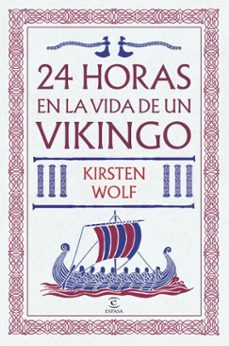
WOLF, KIRSTEN
Espasa 9788467081152
Un retrato fiel y evocador de una civilización que, más de mil años después, sigue despertando fascinación.La cultura vikinga suele presentarse envuelta en tópicos: guerreros feroces y sanguinarios, saqueadores que vivian al margen de la ley y enterraban a sus muertos en barcos, incansables exploradores capaces de atravesar mares y territorios desconocidos desafiando cualquier peligro... Sin embargo, la realidad fue mucho mas rica y compleja. Su sociedad, sus creencias y su modo de vida conformaron una de las culturas mas fascinantes que ha alumbrado la historia.Kirsten Wolf, una de las mayores especialistas en el mundo vikingo, se embarca en un viaje en el tiempo para mostrarnos como transcurria un dia cualquiera para los miembros de esta atractiva comunidad. A traves de veinticuatro inolvidables personajes una esclava, un rey, un tallador de runas, un poeta, un guerrero, un comerciante o un campesino, el lector se adentra en la vida cotidiana de este sorprendente y cautivador universo.Una mirada vivida y cercana a una civilizacion apasionante.
Ver más
eBook

Pushkin Press 9781805331919
Because he had the courage to make his passionate protest against a worldwide terror, Castellios feud with Calvin must remain everlastingly memorable Stefan Zweig saw sixteenth-century Geneva as a place gripped by heresy-hunting fanaticism and raging ideologies of violence. A world in which free-thinking humanists too often foresaw, and failed to protest, the disasters that draconian leaders would bring upon Europe. Theologian and writer Sebastian Castellio, however, did condemn the burning of heretics as murder and advocated for religious tolerance, at great personal cost. Written in 1936 when Zweig himself had just fled the rise of Nazism, The Right to Heresy is the story of Castellios feud with Calvinist doctrine, and an urgent polemic on individual sacrifices made, throughout history, in resistance to authoritarianism.
Ver más
eBook
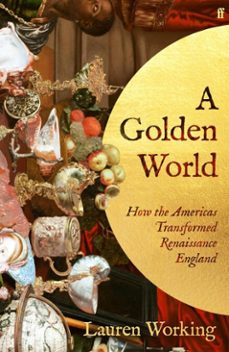
WORKING, LAUREN
Faber & Faber 9780571393855
From rumours of lost Amazonian cities of gold to the silver running through the mountains of Bolivia, hopes for dazzling wealth fuelled the imperial fantasies of the Tudors and Stuarts. But while stories of treasure ships and privateers like Walter Raleigh have become entrenched in national myths - what did Elizabethans actually know about Mexico, the Amazon rainforest, or the Chesapeake? How did Indigenous people and knowledge enter the art, fashion, and literature of Shakespeares time - and at what cost?A Golden World illuminates how the Americas became a visible and material presence in English culture, through a range of unexpected objects: from tobacco leaves strewn in playhouses to a boy wearing a pearl earring. Award-winning historian Lauren Working presents an altogether new history of the golden age of 16th century England, that considers the desire for power, land and resources in the first era of colonization, alongside the craft and labour of those in the Americas who contributed to the English Renaissance as we know it.
Ver más
eBook
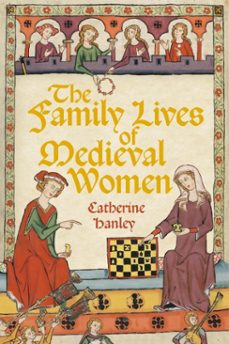
HANLEY, CATHERINE
The History Press 9781803999111
Women in the Middle Ages led fascinating and often wildly differing everyday lives, depending on their social class and family situation. Yet their wealth of experience has long been obscured and overshadowed by the experiences of men, with history books often relegating women to a single, catchall chapter, as if their lives formed a unified story.While a number of medieval women have claimed biographers attention, they tend to be the exceptional figures who broke the mould. What, then, of the countless others who were not exceptional and who did not blaze a new trail? How did their family lives and the constraints imposed upon them influence the ways in which they lived, worked, rejoiced, grieved and shaped their world?The Family Lives of Medieval Women turns the spotlight on these women and examines how the concept of family impacted every aspect of their existence, whatever their social class. It draws us into bustling towns and rural villages, into courts and castles, to meet secular women of every standing and learn about their lived experiences. For the first time, the full spectrum of the female familial experience is considered, illuminating the lives of medieval women with the depth, nuance and humanity they have always deserved.
Ver más
eBook
Del 1 al 4 de 4