
Imprescindibles
Más vendidos Libros más leídos eBooks más leídos Todos los libros Todos los libros Autores destacados Series y sagas
Recomendados Libros recomendados Autores destacados Libros que inspiran Vidas con historia LGTBIQ+ English books



Ficción
Literatura Contemporánea Estudios literarios Clásicos Cuentos Poesía Teatro Libros de bolsillo Sagas literarias
Géneros literarios Novela romántica y erótica Novela negra Novela histórica Narrativa fantástica Novela de ciencia ficción Novela de terror Narrativa de humor Narrativa de viajes


No Ficción
Ciencias y tecnología Biología Ciencias Ciencias naturales Divulgación científica Informática Ingeniería Matemáticas Medicina Salud y dietas Formación Idiomas Estilo de vida Libros de Cocina Guías de viaje Narrativa de viajes Deportes Libros de Juegos Manualidades
Humanidades Autoayuda y espiritualidad Ciencias humanas Derecho Economía y Empresa Psicología y Pedagogía Filosofía Sociología Filología Biblioteconomía Estudios filológicos Estudios lingüísticos Estudios literarios Historia y crítica de la Literatura



Infantil


Juvenil
#Jóvenes lectores Narrativa juvenil Clásicos adaptados Libros Wattpad Libros Booktok Libros de influencers Libros de Youtubers Libros Spicy Juveniles Libros LGTBIQ+ Temas sociales Libros ciencia ficción Libros de acción y aventura Cómic y Manga Juvenil Cómic Juvenil Manga Shonen Manga Shojo Autores destacados Jennifer L. Armentrout Eloy Moreno Nerea Llanes Hannah Nicole Maehrer
Libros de fantasía Cozy Fantasy Dark academia Hadas y Fae Romantasy Royal Fantasy Urban Fantasy Vampiros y hombres lobo Otros Misterio y terror Cozy mistery Policiaca Spooky Terror Thriller y suspense Otros
Libros románticos y de amor Dark Romance Clean Romance Cowboy Romance Mafia y amor Romance dramatico Romcom Sport Romance Otros Clichés Enemies to Lovers Friends to Lovers Hermanastros Slow Burn Fake Dating Triángulo amoroso

Cómic y Manga
Novela gráfica Novela gráfica americana Novela gráfica europea Novela gráfica de otros países Personajes, series y sagas Series y sagas Star Wars Superhéroes Cómics DC Cómics Marvel Cómics otros superhéroes Cómics Valiant




Books in English 
Books in English Fiction Non Fiction Comic Teen & Young Adult Main Authors Ken Follett Agatha Christie Stephen King Jane Austen Maggie O’Farrell On sale
Books in English for Young Adults Age 13+ Age 15+ Young Adult Authors Rebecca Yarros Sarah J. Maas Brandon Sanderson Ali Hazelwood Alice Oseman


The Secrets Of Secrets
A thrilling and long-awaited new novel from Dan Brown
Audiolibros
Literatura Contemporánea Narrativa fantástica Novela de ciencia ficción Novela de terror Novela histórica Novela negra Novela romántica y erótica Historia Historia universal
Humanidades Autoayuda y espiritualidad Ciencias humanas Economía y empresa Psicología y pedagogía Filosofía Infantil Audiolibros infantiles
Ciencia y tecnología Ciencias naturales Divulgación científica Medicina Salud y dietas Arte Cine Música Historia del arte
eBooks
Literatura Contemporánea Narrativa fantástica Novela de ciencia ficción Novela de terror Novela histórica Novela negra Novela romántica y erótica Juvenil Más de 13 años Más de 15 años Infantil eBooks infantiles
Humanidades Autoayuda y espiritualidad Ciencias humanas Economía y Empresa Psicología y Pedagogía Filosofía Historia Historia de España Historia Universal Arte Cine Música Historia del arte
Ciencia y tecnología Ciencias naturales Divulgación científica Medicina Salud y dietas Filología Estudios lingüísticos Estudios literarios Historia y crítica de la Literatura Estilo de vida Cocina Guías de viaje Ocio y deportes



Preventa de eBooks de Ingenierías
Filtros
Del 1 al 4 de 4
Pitkin 9780752491837
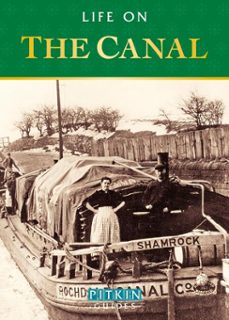
For centuries it was far more efficient to move goods by water than by road. The end of the 18th century saw 2,000 miles of canal built in Britain: the Canal Age had begun.Constructing the canals consisted of a great deal of hard work and manual labour, headlines by individual names but mostly done by tens of thousands of men across Britain called navvies. Initially much like carting on roads, boating on canals grew as canal systems expanded across the country, but still required long hours, hard work and specific skills.This detailed and informative guide tells the story of the boats and their workers. From the professional leggers who walked boats through tunnels to lock keepers to canal children running ahead of the boats, original photographs and artefacts such as tug tickets and timetables show what life was like on the canal.A classic Pitkin guide to immerse readers in the world of canals in Britain, including a list of museums and heritage centres to provide further insight into the history of the canal network.
Ver más
eBook
MAYNARD, JEFF
The History Press 9781837051434
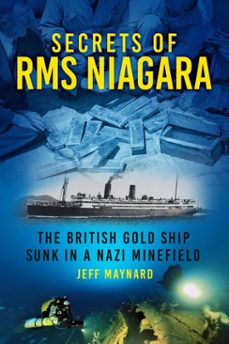
At the outbreak of World War Two, the Bank of England was shipping gold to America to purchase arms and munitions. In June 1940, RMS Niagara was secretly carrying 8 tons of British gold when it hit a German mine and sank off New Zealand. The Royal Navy declared salvage was impossible because the water was too deep, so the desperate Bank of England offered the job to a retired sea captain, John Williams. Within weeks, Williams hired a deep-sea diver, built an experimental diving bell, employed a team of misfits, and refloated a rusting hulk to use as a salvage ship. Then, against orders, Williams sailed into the minefield to search for the sunken liner. Over the coming months, the crew battled bureaucracy, storms, German mines, and each other, as they dove to record depths. But the closer they got to the gold, the more they realised they would be betrayed by the people who sent them on their mission. With exclusive access to diaries, reports, logbooks, correspondence and interviews, Jeff Maynard tells a story of underdogs overcoming insurmountable odds, and the people of a small coastal community who welcomed them, revealing the truth behind one of the most incredible adventures of the Second World War.
Ver más
eBook

PAVLISCAK, PAMELA
Elliott & Thompson 9781783967995
The existential toolkit for readers to regain control of their emotional lives in the digital age.
Ver más
eBook
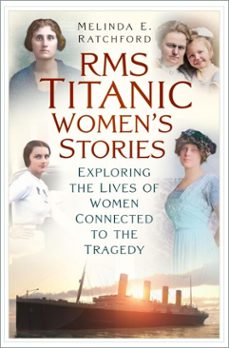
E. RATCHFORD, MELINDA
The History Press 9781803997834
Titanic represents a microcosm of the world in 1912. It was a mans world in many respects, across law, land ownership, voting rights, family structures and religious hierarchies. The stories we know about those involved that fateful night are as varied as the people aboard the ship, but many of them revolve around the roles and actions of the men.This new book from Melinda Ratchford delves into the world as it was for women in 1912, and presents a selection of womens stories, including a variety of women who travelled aboard Titanic, from rich to poor, and well-known to largely forgotten, and also stories of some women who didnt travel but whose lives were inextricably linked to the tragedy and changed forever. This collection of stories presents the lives of these women before, during and after the tragedy that irrevocably changed their world, and ours.
Ver más
eBook
Del 1 al 4 de 4