
Imprescindibles
Más vendidos Libros más leídos eBooks más leídos Todos los libros Todos los libros Autores destacados Series y sagas
Recomendados Libros recomendados Autores destacados Libros que inspiran Vidas con historia LGTBIQ+ English books




Ficción
Literatura Contemporánea Estudios literarios Clásicos Cuentos Poesía Teatro Libros de bolsillo Sagas literarias
Géneros literarios Novela romántica y erótica Novela negra Novela histórica Narrativa fantástica Novela de ciencia ficción Novela de terror Narrativa de humor Narrativa de viajes



No Ficción
Ciencias y tecnología Biología Ciencias Ciencias naturales Divulgación científica Informática Ingeniería Matemáticas Medicina Salud y dietas Formación Idiomas Estilo de vida Libros de Cocina Guías de viaje Narrativa de viajes Deportes Libros de Juegos Manualidades
Humanidades Autoayuda y espiritualidad Ciencias humanas Derecho Economía y Empresa Psicología y Pedagogía Filosofía Sociología Filología Biblioteconomía Estudios filológicos Estudios lingüísticos Estudios literarios Historia y crítica de la Literatura


Infantil


Juvenil
#Jóvenes lectores Narrativa juvenil Clásicos adaptados Libros Wattpad Libros Booktok Libros de influencers Libros de Youtubers Libros Spicy Juveniles Libros LGTBIQ+ Temas sociales Libros ciencia ficción Libros de acción y aventura Cómic y Manga Juvenil Cómic Juvenil Manga Shonen Manga Shojo Autores destacados Jennifer L. Armentrout Eloy Moreno Nerea Llanes Hannah Nicole Maehrer
Libros de fantasía Cozy Fantasy Dark academia Hadas y Fae Romantasy Royal Fantasy Urban Fantasy Vampiros y hombres lobo Otros Misterio y terror Cozy mistery Policiaca Spooky Terror Thriller y suspense Otros
Libros románticos y de amor Dark Romance Clean Romance Cowboy Romance Mafia y amor Romance dramatico Romcom Sport Romance Otros Clichés Enemies to Lovers Friends to Lovers Hermanastros Slow Burn Fake Dating Triángulo amoroso

Cómic y Manga
Novela gráfica Novela gráfica americana Novela gráfica europea Novela gráfica de otros países Personajes, series y sagas Series y sagas Star Wars Superhéroes Cómics DC Cómics Marvel Cómics otros superhéroes Cómics Valiant



Books in English 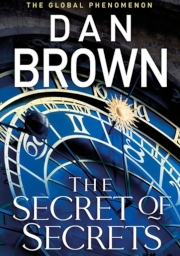
Books in English Fiction Non Fiction Comic Teen & Young Adult Main Authors Ken Follett Agatha Christie Stephen King Jane Austen Maggie O’Farrell On sale
Books in English for Young Adults Age 13+ Age 15+ Young Adult Authors Rebecca Yarros Sarah J. Maas Brandon Sanderson Ali Hazelwood Alice Oseman

The Secrets Of Secrets
A thrilling and long-awaited new novel from Dan Brown
Audiolibros
Literatura Contemporánea Narrativa fantástica Novela de ciencia ficción Novela de terror Novela histórica Novela negra Novela romántica y erótica Historia Historia universal
Humanidades Autoayuda y espiritualidad Ciencias humanas Economía y empresa Psicología y pedagogía Filosofía Infantil Audiolibros infantiles
Ciencia y tecnología Ciencias naturales Divulgación científica Medicina Salud y dietas Arte Cine Música Historia del arte
eBooks
Literatura Contemporánea Narrativa fantástica Novela de ciencia ficción Novela de terror Novela histórica Novela negra Novela romántica y erótica Juvenil Más de 13 años Más de 15 años Infantil eBooks infantiles
Humanidades Autoayuda y espiritualidad Ciencias humanas Economía y Empresa Psicología y Pedagogía Filosofía Historia Historia de España Historia Universal Arte Cine Música Historia del arte
Ciencia y tecnología Ciencias naturales Divulgación científica Medicina Salud y dietas Filología Estudios lingüísticos Estudios literarios Historia y crítica de la Literatura Estilo de vida Cocina Guías de viaje Ocio y deportes



PEDRO DE ALCANTARA
Recibe novedades de PEDRO DE ALCANTARA directamente en tu email
Filtros
Del 1 al 2 de 2

The Crowood Press 9781785008399
To live is to face problems and to find solutions for them. We do so consciously or unconsciously, using intuition, reason, imagination and many other faculties. We notice a situation, we draw conclusions from what we see, hear and feel, and we act on our conclusions in a constant process of observation, analysis and remedy. My shoulders are tight, because I am under a lot of stress, I need a good massage. We observe a problem (tight shoulders), analyse the cause (stress) and seek a remedy for it (the massage). But what if we have misunderstood the problem? What if our description of the problem is based on false perceptions, or our analysis on false assumptions? What if the solution aggravates the problem? This book is about our suppositions, habits and behaviours. It is about posture and attitude, tension and relaxation, movement and rest. It is about interpersonal relationships, sports and performing arts. Above all, it is about embodied emotions and the body that thinks and feels. In this fully revised new edition, Pedro de Alcantara invites you to redefine the meaning of health and wellbeing, using the insights and tools developed by a man of genius: F.M Alexander.
Ver más
eBook
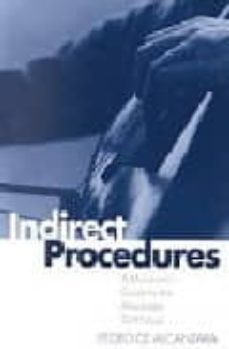
OXFORD UNIVERSITY PRESS 9780198165699
INDIRECT PROCEDURES is the first book to consider the musician exclusively as a subject for Alexander Technique (AT). Often recommended to musicians as a way to reduce the risk of repetitive stress injury and shoulder tension, AT works to bring the body and mind into harmony and expand mobility, balance, and physical coordination through a systematic series of exercises that concentrate on proper alignments. Musicians are notorious for suffering silently in the name of their art, but with these simple, practical techniques, they no longer have to. Written by a cellist and AT teacher, INDIRECT PROCEDURES takes the practice of music seriously, and no nuance is left unconsidered. In addition to basic exercises and stretches, each major instrument is considered for its potential problems, and appropriate recommendations are given for the musician to make adjustments. While every musician could benefit from the information in INDIRECT PROCEDURES, those in a conservatory or orchestra setting will most appreciate the author's attention to detail.
Ver más
Tapa blanda
Del 1 al 2 de 2