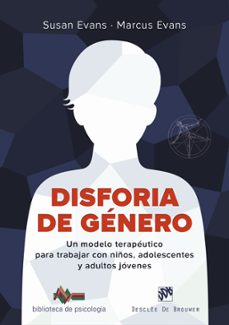
En los últimos años, el número de niños y adolescentes que se autodiagnostican como trans o experimentan disforia de género ha crecido de manera vertiginosa. Este fenómeno plantea preguntas cruciales sobre el papel del entorno social, las influencias culturales y las respuestas clinicas en el manejo de estas situaciones. En un contexto donde las decisiones medicas pueden implicar cambios de por vida, este libro ofrece una reflexion esencial y matizada. "Disforia de genero. Un modelo terapeutico para trabajar con niños, adolescentes y adultos jovenes" examina como abordar esta compleja realidad desde una vision integral y fundamentada. Los autores, Susan y Marcus Evans, exploran como los autodiagnosticos surgen en jovenes que, a menudo, enfrentan multiples desafios emocionales y psicologicos, como traumas, autismo, trastornos de salud mental y presiones sociales. A traves de un enfoque psicoanalitico, el texto indaga en los mecanismos inconscientes y las defensas psiquicas que pueden llevar a estas identificaciones. Con ejemplos clinicos esclarecedores y un marco teorico solido, el libro ofrece herramientas para profesionales de la salud mental que buscan comprender el mundo interno de sus pacientes. Ademas, subraya la necesidad de una evaluacion cuidadosa antes de proceder con intervenciones fisicas, priorizando la exploracion de la experiencia emocional y social de cada individuo. Este libro es una guia imprescindible para clinicos, padres, educadores y cualquier persona interesada en entender el impacto del autodiagnostico de disforia de genero en el contexto actual. Los autores combinan su vasta experiencia en el sistema de salud mental del Reino Unido con un analisis critico del entorno politico y cultural que influye en la atencion a jovenes transidentificados. Susan Evans y Marcus Evans, con decadas de experiencia en psicoterapia y psicoanalisis, ofrecen una valiosa contribucion para abordar este fenomeno con sensibilidad, profesionalidad y un compromiso con el bienestar integral de los pacientes.
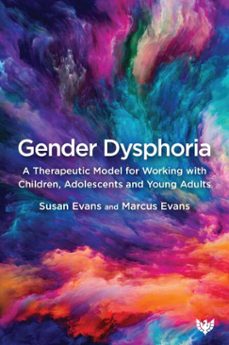
In recent years, there has been an explosion in the number of children and young people who diagnose themselves as gender dysphoric, or trans. In the UK, and worldwide, there is a growing tendency to refer them on to specialist gender services almost as soon as they express any confusion or distress about their biological sex or gender identity. Due to the rapidly rising numbers and various pressures on the system, patients are increasingly likely to be offered life-altering medication and/or surgical treatments, often with little exploration of their emotional world. As so little is yet known or understood regarding this increase in gender incongruent patients, it seems precipitous to proceed onto physical treatments before any assessment work is undertaken. Many who present as gender dysphoric have complex needs with comorbid problems such as autism, histories of abuse or trauma, social phobias, depression, eating disorders, and other mental health symptoms. Therefore, all aspects of the individuals life deserve thorough assessment and therapeutic work. This book is aimed primarily at clinicians working in the field to provide a model for understanding, assessing, and treating gender dysphoria. The model uses a psychoanalytic framework to help explain disturbed states of mind and how psychic defences can be enlisted unconsciously to avoid overwhelming psychic pain. This offers professionals a way of trying to think with, and offer understanding to, their trans-identifying clients. Clinical examples are given to illustrate these processes and promote the understanding of transgender children, adolescents, and young people and their internal worlds, their thinking, and their interpersonal relationships. As well as clinical exploration and understanding, the book includes an overview of the current political, social, and clinical environments which have all impacted on the clinical care of trans-identifying individuals. As well as professional and trainee clinicians, this book might also prove useful to parents, other professionals, and possibly the gender dysphoric person too.