INGLÉS
THE WORLD SET FREE
Por H. G. Wells
70% de descuento en envíos desde España. Compra mínima de $3,087.
Entrega aproximada en 2/3 semanas.
No tenemos stock, pero lo pedimos urgente al distribuidor, te lo enviamos en 24h cuando lo recibamos en nuestro almacén, en ocasiones los distribuidores no pueden servirnos el producto, en este caso anularemos el pedido y te informaremos. El importe lo cobramos sólo en el momento en el que hagamos el envío.
Ficha Técnica
Editorial: Mit Press
ISBN: 9780262543361
Idioma: Inglés
Número de páginas: 280
Tiempo de lectura: 5h 45m
Encuadernación: Tapa blanda
Fecha de lanzamiento: 01/01/2022
Año de edición: 2022
Especificaciones del producto
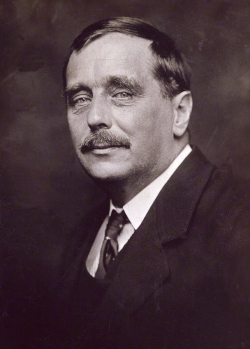
Recibe novedades de H. G. Wells directamente en tu email
Reseñas sobre THE WORLD SET FREE
Comparte tu experiencia con la comunidad lectora.
0 Reseñas
5 0
4 0
3 0
2 0
1 0
Sólo por opinar entras en el sorteo mensual de tres tarjetas regalo valoradas en
20€
Publicar una opinión supone haber leído y aceptado las
bases del sorteo
"Tu opinión tiene premio".