Las cuestiones políticas o morales no exigen necesariamente escribir tratados sistemáticos. De hecho, Alain Touraine y Farhad Khosrokhavar optan en este texto por el camino contrario, el del diálogo, lo cual permite al primero de ellos avanzar en su reflexion sobre el sujeto ya iniciada en Critica de la modernidad y ¿Podremos vivir juntos?. Farhad Khosrokhavar le acompaña en su camino, sin dudar jamas a la hora de expresar sus reservas e inquietudes. Uno y otro constatan que, frente a las filosofias de la historia en ruinas, frente a la presion del interes personal y a la autosatisfaccion de los defensores del nuevo orden economico, el individuo de hoy, para recuperar el sentido de su vida, se repliega deliberadamente sobre si mismo, y ya no se vuelve hacia el pasado, el futuro o el presente, tal como ocurrio durante mucho tiempo. Y es ahi donde descubre el deseo de construirse a si mismo como sujeto de su propia existencia. Desde ese momento, la accion colectiva empieza a encarnarse antes en movimientos culturales que en proyectos sociales. Efectivamente, los sociologos ya hablan mas del individuo que de la sociedad, una cuestion que en el fondo es la base de este libro: ¿puede la busqueda de si mismo enseñarnos a vivir?


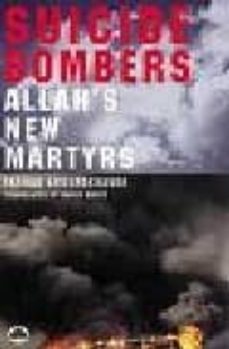
Los recientes atentados internacionales han puesto de relieve uno de los fenómenos del islamismo radical: el mártir que siembre el horror.Hay dos clases de mártir: los jóvenes desheredados, excluidos de las bondades de la sociedad moderna y presas de un sentimiento de marginalidad, y una minoria de inmigrantes que vive en los paises mas ricos como nueva clase media atrapada entre Oriente y Occidente. Los pilotos de las torres gemelas pertenecian al segundo tipo.Hasta ahora, todos los intentos de comprender este fenomeno han investigado las redes internacionales que lo impulsan. La novedad de este revelador ensayo es que analiza las subjetivas razones del increible grado de abnegacion y ceguera de quienes se suicidan por Ala.
In the West, the suicide bomber has become a familiar image in newspapers and on television. In Palestine, Iraq, Saudi Arabia, Indonesia and elsewhere, the results of suicide bombing have been devastating. What drives young men and women to become suicide bombers? This is not a question that is often addressed. This remarkable book provides some of the answers, and explores how the suicide bomber relates to the concept of the martyr in fundamentalist Islam. Farhad Khosrokhavar contrasts it with the idea of the martyr in Christianity. Most importantly, he offers a clear insight into the different ways in which the concept is viewed within Islam, including divisions within Islamic fundamentalist groups, which change according to the political situation of the country in which they are based.Drawing on extensive interviews with jailed Islamist militants, Farhad Khosrokhavar examines differing attitudes towards the 'sacred death' in various Islamic countries, including Iran, Palestine, Lebanon and Egypt. He also investigates transnational networks such as Al-Qaeda, offering portraits of various prisoners who belong to the group.Farhad Khosrokhavar distinguishes between two types of martyr: those from the developing world, who are excluded from what modernity has to offer; and the minority who live at the heart of the Western world - a mainly middle-class diaspora from the Middle East and the Maghreb who are at ease with several cultural codes, but whose experience of the West is still marked by racism and