
Imprescindibles
Más vendidos Libros más leídos eBooks más leídos Todos los libros Todos los libros Autores destacados Series y sagas
Recomendados Libros recomendados Autores destacados Libros que inspiran Vidas con historia LGTBIQ+ English books




Ficción
Literatura Contemporánea Estudios literarios Clásicos Cuentos Poesía Teatro Libros de bolsillo Sagas literarias
Géneros literarios Novela romántica y erótica Novela negra Novela histórica Narrativa fantástica Novela de ciencia ficción Novela de terror Narrativa de humor Narrativa de viajes


No Ficción
Ciencias y tecnología Biología Ciencias Ciencias naturales Divulgación científica Informática Ingeniería Matemáticas Medicina Salud y dietas Formación Idiomas Estilo de vida Libros de Cocina Guías de viaje Narrativa de viajes Deportes Libros de Juegos Manualidades
Humanidades Autoayuda y espiritualidad Ciencias humanas Derecho Economía y Empresa Psicología y Pedagogía Filosofía Sociología Filología Biblioteconomía Estudios filológicos Estudios lingüísticos Estudios literarios Historia y crítica de la Literatura


Infantil




Juvenil
#Jóvenes lectores Narrativa juvenil Clásicos adaptados Libros Wattpad Libros Booktok Libros de influencers Libros de Youtubers Libros Spicy Juveniles Libros LGTBIQ+ Temas sociales Libros ciencia ficción Libros de acción y aventura Cómic y Manga Juvenil Cómic Juvenil Manga Shonen Manga Shojo Autores destacados Jennifer L. Armentrout Eloy Moreno Nerea Llanes Hannah Nicole Maehrer
Libros de fantasía Cozy Fantasy Dark academia Hadas y Fae Romantasy Royal Fantasy Urban Fantasy Vampiros y hombres lobo Otros Misterio y terror Cozy mistery Policiaca Spooky Terror Thriller y suspense Otros
Libros románticos y de amor Dark Romance Clean Romance Cowboy Romance Mafia y amor Romance dramatico Romcom Sport Romance Otros Clichés Enemies to Lovers Friends to Lovers Hermanastros Slow Burn Fake Dating Triángulo amoroso

Cómic y Manga
Novela gráfica Novela gráfica americana Novela gráfica europea Novela gráfica de otros países Personajes, series y sagas Series y sagas Star Wars Superhéroes Cómics DC Cómics Marvel Cómics otros superhéroes Cómics Valiant




Books in English 
Books in English Fiction Non Fiction Comic Teen & Young Adult Main Authors Ken Follett Agatha Christie Stephen King Jane Austen Maggie O’Farrell On sale
Books in English for Young Adults Age 13+ Age 15+ Young Adult Authors Rebecca Yarros Sarah J. Maas Brandon Sanderson Ali Hazelwood Alice Oseman



The Secrets Of Secrets
A thrilling and long-awaited new novel from Dan Brown
Audiolibros
Literatura Contemporánea Narrativa fantástica Novela de ciencia ficción Novela de terror Novela histórica Novela negra Novela romántica y erótica Historia Historia universal
Humanidades Autoayuda y espiritualidad Ciencias humanas Economía y empresa Psicología y pedagogía Filosofía Infantil Audiolibros infantiles
Ciencia y tecnología Ciencias naturales Divulgación científica Medicina Salud y dietas Arte Cine Música Historia del arte
eBooks
Literatura Contemporánea Narrativa fantástica Novela de ciencia ficción Novela de terror Novela histórica Novela negra Novela romántica y erótica Juvenil Más de 13 años Más de 15 años Infantil eBooks infantiles
Humanidades Autoayuda y espiritualidad Ciencias humanas Economía y Empresa Psicología y Pedagogía Filosofía Historia Historia de España Historia Universal Arte Cine Música Historia del arte
Ciencia y tecnología Ciencias naturales Divulgación científica Medicina Salud y dietas Filología Estudios lingüísticos Estudios literarios Historia y crítica de la Literatura Estilo de vida Cocina Guías de viaje Ocio y deportes



R. D. HINSHELWOOD
Recibe novedades de R. D. HINSHELWOOD directamente en tu email
Filtros
Del 1 al 5 de 5

BRUNNER ROUTLEDGE 9781583918944
Psychiatric institutions have always been places of fear and awe. Madness impacts on family, friends and relatives, but also those who provide a caring environment, whether in large institutions of the past, or community care in the present. This book explores the effects of the psychotic patient's suffering on carers and the culture of psychiatric services. Suffering Insanity is arranged as three essays. The first concerns staff stress in psychiatric services, exploring how the impact of madness demands a personal resilience as well as careful professional support, which may not be forthcoming. The second essay attempts a systematic review of the nature of psychosis and the intolerable psychotic experience, which the patient attempts to evade, and which the carer must confront in the course of daily work. The third essay returns to the impact of psychosis on the psychiatric services, which frequently configure in ways which can have serious and harmful effects on the provision of care. Inparticular, service may succumb to an unfortunate schismatic process resulting in sterile conflict, and to an assertively scientific culture, which leads to an unwitting depersonalization of patients. Suffering Insanity makes a powerful argument for considering care in the psychiatric services as a whole system that includes staff as well as patients; all need attention and understanding in order to deliver care in as humane a way as possible. All those working in the psychiatric services, both in large and small agencies and institutions, will appreciate that closer examination of the actual psychology and interrelations of staff, as well as patients, is essential and urgent.
Ver más
Tapa blanda

AMORRORTU 9789505181070
Hinshelwood se ha propuesto recoger los hilos teóricos del pensamiento de Klein, aunque sin dejar de exponer los lugares de la clínica práctica que fueron su matriz generadora. La primera parte del diccionario esta compuesta por trece ensayos ordenados segun su articulacion conceptual. Se pueden leer como una introduccion al pensamiento kleiniano. Parten de un ensayo sobre la tecnica del juego, y terminan en una exposicion de la identificacion proyectiva, acaso la nocion mas novedosa, en cuya matizada arquitectura culmina el analisis del problema de la trasferencia. Son esplendidas las paginas dedicadas a la revolucionaria idea de fantasia inconciente, asociada con la de objeto interno. La segunda parte -con abundantes referencias cruzadas y remisiones a los articulos de la primera parte, articuladas con las elaboraciones de conceptos kleinianos aportadas por discipulos de la brillante psicoanalista- incluye exposiciones de Bion, Segal, Money-Kyrle, Bick y Rosenfeld, entre otras, cada una con novedosos desarrollos de aspectos fundamentales de la teoria.
Ver más
Tapa blanda

AMORRORTU 9789505182954
La primera parte del diccionario está compuesta por trece ensayos ordenados según su articulación conceptual. Se pueden leer como una introducción al pensamiento kleiniano. Parten de un ensayo sobre la tecnica del juego, y terminan en una exposicion de la identificacion proyectiva, acaso la nocion mas novedosa, en cuya matizada arquitectura culmina el analisis del problema de la trasferencia. Son esplendidas las paginas dedicadas a la revolucionaria idea de fantasia inconciente, asociada con la de objeto interno. La segunda parte -con abundantes referencias cruzadas y remisiones a los articulos de la primera parte, articuladas con las elaboraciones de conceptos kleinianos aportadas por discipulos de la brillante psicoanalista- incluye exposiciones de Bion, Segal, Money-Kyrle, Bick y Rosenfeld, entre otras, cada una con novedosos desarrollos de aspectos fundamentales de la teoria.
Ver más
Tapa blanda
HINSHELWOOD, R. D. y ROBINSON, SUSAN
Icon Books 9781848317796
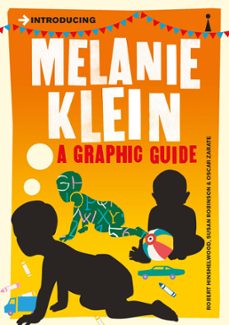
INTRODUCING guide to the pioneering child psychoanalyst. Born in Vienna in 1882, Melanie Klein became a pioneer in child psychoanalysis and developed several ground-breaking concepts about the nature and crucial importance of the early stages of infantile development. Although she was a devoted Freudian, many of her ideas were seen within the psychoanalytic movement as highly controversial, and this led to heated conflicts, particularly with Freuds daughter, Anna. Introducing Melanie Klein brilliantly explains Kleins ideas, and shows the importance of her startling discoveries which raised such opposition at the time and are only now being recognized for their explanatory power. Her concepts of the depressive position and the paranoid-schizoid position are now in common usage and her work has to be taken seriously by psychoanalysts the world over. She is also now important in many academic fields within the human sciences.
Ver más
eBook
Del 1 al 5 de 5