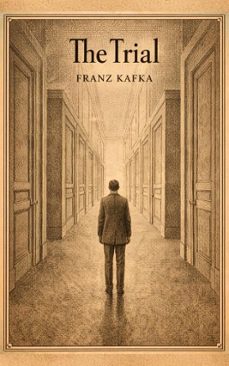
The Trial by Franz Kafka is a haunting and thought-provoking masterpiece of twentieth-century literature that explores guilt, power, and the unsettling nature of modern bureaucracy. First published posthumously in 1925, this profound and unsettling novel tells the story of a man trapped in a mysterious legal system that operates beyond logic, transparency, or mercy.The novel opens with a startling event: Josef K., an ordinary bank official, is arrested one morning without being informed of the crime he has allegedly committed. Though he is not taken into custody, he is suddenly entangled in a shadowy judicial process that seems to exist everywhere and nowhere at once. Court officials appear in attics and tenement buildings, hearings take place in suffocating rooms filled with onlookers, and legal procedures unfold according to rules that no one fully understands.As Josef K. attempts to defend himself, he encounters a series of enigmatic characterswarders, clerks, lawyers, painters, and strangerseach offering vague guidance but no clarity. The deeper he ventures into the system, the more incomprehensible and oppressive it becomes. The courts authority is absolute, yet its structure remains invisible, creating a world governed by anxiety, ambiguity, and silent judgment.Kafka masterfully captures the psychological strain of living under constant accusation. Josef K.s growing sense of isolation and helplessness reflects broader themes of alienation in modern society. The novel examines the individuals struggle against faceless institutions, questioning the nature of justice, authority, and personal responsibility. Is Josef K. truly innocent, or does guilt exist independently of wrongdoing? Kafka leaves the answer deliberately unresolved, heightening the novels existential tension.Written in a stark yet surreal style, The Trial blends realism with nightmarish absurdity. Everyday settingsboarding houses, offices, and courtroomstake on a dreamlike quality, emphasizing the fragile boundary between normal life and irrational fear. Kafkas exploration of bureaucracy and power has made the term "Kafkaesque" synonymous with situations that are illogical, oppressive, and disorienting.More than a legal drama, The Trial is a profound meditation on the human condition. It confronts readers with unsettling questions about freedom, accountability, and the search for meaning in a world governed by hidden forces. With its timeless themes and chilling atmosphere, The Trial remains one of the most influential and enduring works of modern literature.
Ver más