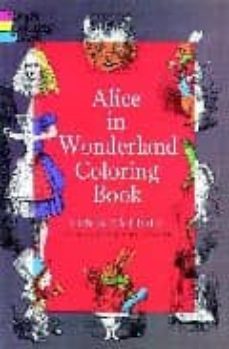
ALICE was beginning to get very tired of sitting by her sister on the bank and of having nothing to do: once or twice she had peeped into the book her sister was reading, but it had no pictures or conversations in it, "and what is the use of a book," thought Alice, "without pictures or conversations?''
So she was considering, in her own mind (as well as she could, for the hot day made her feel very sleepy and stupid), whether the pleasure of making a daisy-chain would be worth the trouble of getting up and picking the daisies, when suddenly a White Rabbit with pink eyes ran close by her.
There was nothing so very remarkable in that; nor did Alice think it so very much out of the way to hear the Rabbit say to itself "Oh dear! Oh dear! I shall be too late!" (when she thought it over afterwards it occurred to her that she ought to have wondered at this, but at the time it all seemed quite natural); but, when the Rabbit actually took a watch out of its waistcoat-pocket, and looked at it, and then hurried on, Alice started to her feet, for it flashed across her mind that she had never before seen a rabbit with either a waistcoat-pocket, or a watch to take out of it, and burning with curiosity, she ran across the field after it, and was just in time to see it pop down a large rabbit-hole under the hedge.
Ficha técnica
Ilustrador: Rodney Matthews
Editorial: Seighensa
ISBN: 9780763645687
Idioma: Inglés
Número de páginas: 95
Tiempo de lectura:
1h 53m
Encuadernación: Tapa dura
Fecha de lanzamiento: 22/06/2009
Año de edición: 2009
Especificaciones del producto
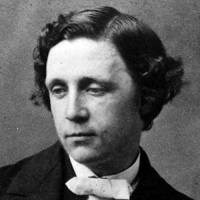
Escrito por Lewis Carroll
Lewis Carroll, pseudónimo de Charles Lutwidge Dodgson (1832-1898) fue un autor, poeta, matemático y fotógrafo universalmente celebrado por escribir Alicia en el país de las maravillas (1865) y su secuela A través del espejo (1871). Además de su producción literaria, también escribió obras matemáticas sobre álgebra, geometría y lógica, así como textos relacionados con el voto y la representación política, nuevos juegos inventados, el teatro o la vivisección. Considerada unánimemente por estudiosos y público en general como la segunda obra en importancia de su bibliografía, La caza del Snark, un poema sin sentido aparente publicado en 1876, es una obra mucho más profunda y relevante de lo que sugiere su aspecto de juego literario disparatado. Lejos de ser una mera curiosidad, se trata de una pieza clave para entender el genio de Lewis Carroll y su sorprendente vigencia.