Lewis Grassic Gibbon es el seudónimo literario de James Leslie Mitchell (1901-1935), uno de los escritores más destacados de las letras escocesas. Nacido en Auchterless, en el noreste de Escocia, creció rodeado de un paisaje rural de verdes colinas y tierras fecundas. Empezó a trabajar como periodista en el Aberdeen Journal y en el Farmers Weekly; tras haber servido en la Real Fuerza Aérea británica, se instaló en Welwyn Garden City para dedicarse a la escritura a tiempo completo. A pesar de su muerte prematura, cuando tan solo tenía treinta y tres años, su obra, compuesta de novelas, relatos y ensayos, es prolífica. Grassic Gibbon combinaba en sus historias el flujo de conciencia, el realismo social y un lirismo genuinamente escocés. Su Trilogía escocesa, de la que Canción del ocaso (1932) es la primera parte, se ha erigido en una obra cumbre de la literatura escocesa del siglo xx y fue elegida como el libro favorito de los escoceses en una encuesta de la BBC.
Recibe novedades de Lewis Grassic Gibbon directamente en tu email
«Había cosas maravillosas en el mundo, cosas maravillosas que no duraban, y eso las volvía más maravillosas.» Cuando empieza a estudiar en la escuela de Kinraddie, un pequeño pueblo escocés, la jove
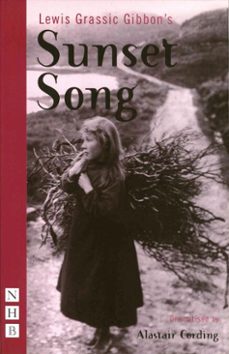
A classic of Scots literature, brilliantly adapted for the stage.Sunset Song is the first novel in Lewis Grassic Gibbons Scots Quair trilogy, a rich evocation of growing up on a farm in Scotland in the early-20th century, of being in love and in lust, of getting by as a young mother on your own and of losing your lover in war.The distinguishing feature of the books - and of this dramatisation - is the use of the rhythms and vocabulary of Scots to tell the story.This stage version of Sunset Song by Alastair Cording was first performed at the Tron Theatre, Glasgow, in 1991.Succeeds marvellously... puts Scotlands own history onto the stage with vigour, precision and skill... a pure piece of theatreGuardianDoes full justice to Grassic Gibbon... a joy and a wrench to watch its blithe unfolding of tragedy and hopeScotland on Sunday
In Spartacus, Lewis Grassic Gibbon retells the slave war against the Roman Republic as a severe meditation on freedom, power, and the fate of collective revolt. Rejecting melodrama, he writes in taut, rhythmic prose that moves between campfire councils, battlefields, and the calculating forums of Rome. Shifting viewpoints and aphoristic asides lend a modernist-historical texture typical of the interwar years, distinguishing this novel from later romantic treatments. Gibbonpseudonym of James Leslie Mitchell (19011935), the radical Scottish author of A Scots Quairbrought to the theme a hard-earned sensitivity to class and empire. Raised in Aberdeenshire, seasoned by journalism and voracious reading in classical and revolutionary history, he channels socialist sympathies and skepticism toward hero-worship into a narrative attentive to rank-and-file voices. Recommended to readers who want historical fiction that thinks as keenly as it thrills: students of modernism, classicists seeking an antidote to Roman triumphalism, and anyone curious about the ethics of rebellion. Read it for its moral bite, stylistic economy, and unsentimental, enduring hope.Quickie Classics summarizes timeless works with precision, preserving the authors voice and keeping the prose clear, fast, and readabledistilled, never diluted. Enriched Edition extras: Introduction · Synopsis · Historical Context · Brief Analysis · 4 Reflection Q&As · Editorial Footnotes.
"Había cosas maravillosas en el mundo, cosas maravillosas que no duraban, y eso las volvía más maravillosas."Cuando empieza a estudiar en la escuela de Kinraddie, un pequeño pueblo escocés, la joven Chris Guthrie se encuentra en la disyuntiva de elegir entre dos caminos diametralmente opuestos; por un lado, el de los libros y el conocimiento, y, por el otro, el de la vida rural dedicada a la tierra. Con esta contradiccion perenne en su corazon, Chris crece, trabaja, aprende, sufre, conoce la felicidad, la melancolia, el amor y la perdida.Votada como la novela favorita de los escoceses y llevada a la gran pantalla por Terence Davies, Cancion del ocaso es la obra mas aclamada de Lewis Grassic Gibbon y un clasico imprescindible de la literatura escocesa. La historia de Chris dibuja con un lirismo extraordinario la dureza de la vida rural, los cambios producidos por el estallido de la Primera Guerra Mundial y la fortaleza de una mujer que, como la tierra que trabaja con sus manos, resiste y reverdece ante las inclemencias del destino.
Spartacus by Lewis Grassic Gibbon brings to life one of the most dramatic episodes in ancient history: the Third Servile War, or the great slave rebellion against Rome from 7371 BCE. At the heart of the novel is Spartacus, the Thracian gladiator who became an enduring symbol of resistance and hope for the oppressed. Once a soldier, Spartacus is captured and sold into slavery, eventually finding himself in the brutal world of the gladiator school in Capua.Historically, the rebellion began when Spartacus and around seventy fellow gladiators staged a daring escape, arming themselves with kitchen knives and seizing weapons from the armory. What started as a small insurrection quickly swelled as thousands of slaves, rural workers, and disenfranchised peoples joined their ranks, forming a makeshift army that challenged the greatest military power of its age. Over two years, Spartacus led this diverse force through southern Italy, winning a series of battles against Roman legions and evading capture by the powerful Roman generals Crassus and, later, Pompey. Spartacus proved to be an extraordinary military leader, displaying a keen sense of tactics and battlefield strategy. He repeatedly outmaneuvered Roman armies by using the terrain to his advantage, launching surprise attacks, and employing clever ruses to slip past encirclements. Notably, at Mount Vesuvius, he famously used vines to lower his men down a cliff, attacking the Romans from behind and securing a dramatic victory. His ability to organize, supply, and inspire such a large, disparate group of rebelsdespite their lack of formal military trainingastonished his opponents and remains a testament to his leadership.The novel captures both the epic scale of the conflict and its human dimension. He explores the camaraderie, fear, and longing for liberty among Spartacuss followers, from fellow gladiators like Crixus and Oenomaus to the countless unnamed men and women who risked everything for a chance at freedom. Spartacus is more than a tale of war; it is a profound meditation on tyranny, solidarity, and the enduring human quest for dignity. Gibbons retelling of the rebellion remains a compelling and relevant portrait of resistance and hope.