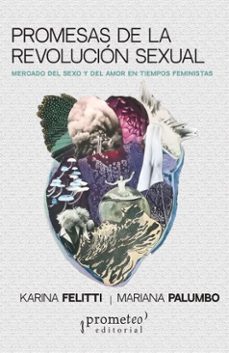
La revolución sexual de los años sesenta apeló a un cambio radical de las relaciones entre los sexos en pos de la equidad, la abolición de la heterosexualidad obligatoria, la separación del sexo y la reproduccion. Para muchas personas, ademas, la defensa de la libertad sexual iba de la mano de una revolucion politica, de un cambio de sistema economico que podria acabar con las desigualdades sociales y los dogmatismos morales. Estamos ante una nueva etapa de este largo proceso de transformacion de la intimidad. Muchos derechos sexuales y reproductivos han sido reconocidos legalmente y el sexo ha dejado de ser un tema tabu. Al mismo tiempo, la discriminacion, la violencia y las inequidades de genero continuan, los movimientos que se oponen a estos avances ganan protagonismo y el capitalismo resiste. En este escenario las personas exploran su erotismo, se informan, buscan citas, se relacionan sexo afectivamente, piden y dan consejos, hacen del amor y de la sexualidad un tema cotidiano. Este libro invita a pensar estas experiencias en clave politica y las ubica en el contexto de la Argentina contemporanea. Karina Felitti. Doctora por la Universidad de Buenos Aires en el area de Historia. Investigadora independiente del Consejo Nacional de Investigaciones Cientificas y Tecnicas de la Argentina (CONICET) en el Instituto de Investigaciones en Estudios de Genero (IIEGE), UBA. Profesora de la Maestria en Estudios Feministas de la UBA; y del Area de Estudios Latinoamericanos de FLACSO Argentina.Es autora de numerosos articulos, capitulos y libros. Entre ellos, La revolucion de la pildora. Sexualidad y politica en la Argentina de los sesenta (Edhasa, 2012); co-autora de Tecnologias biomedicas y feminismos. Historias de dispositivos, politicas y agenciamientos (GEU/CInIG, 2022); co-coordinadora de Diversidad, sexualidades y creencias. Cuerpo y derechos en el mundo contemporaneo (El Colegio Mexiquense/Prometeo, 2015); coordinadora de Madre no hay una sola. Experiencias de maternidad en la Argentina (CICCUS, 2011) y co-coordinadora de Los sesenta de otra manera. Vida cotidiana, genero y sexualidades en la Argentina (Prometeo, 2010). Mariana Palumbo. Sociologa por la Universidad de Buenos Aires. Magister en Investigacion en Ciencias Sociales, UBA. Doctora en Ciencias Sociales (UBA), con una beca expedida por el Consejo Nacional de Investigaciones Cientificas y Tecnicas (CONICET). Se ha desempeñado como docente e investigadora en la Universidad Nacional de San Martin (UNSAM), Universidad Nacional Autonoma de Mexico (UNAM), Universidad Estadual de Rio de Janeiro (UERJ), Universidad de la Defensa Nacional (UNDEF) y la Universidad de Buenos Aires (UBA), entre otras. Es profesora de la Maestria en Estudios Feministas (UNSAM).Entre sus obras mas importantes se encuentran Deseo y conflicto (2023), coordinado junto con Marta Lamas (Fondo de Cultura Economica, 2023); Solos y solas. Busquedas de encuentros eroticos y afectivos entre cis heterosexualidad (UBASociales/TeseoPress, 2019); Las dinamicas de la violencia contra las mujeres y el amor en los jovenes (TeseoPress, 2017); Pensar(nos) desde adentro: representaciones sociales y experiencias de violencia de genero (Unsam Edita, 2017).
Ver más