
Imprescindibles
Más vendidos Libros más leídos eBooks más leídos Todos los libros Todos los libros Autores destacados Series y sagas
Recomendados Libros recomendados Autores destacados Libros que inspiran Vidas con historia LGTBIQ+ English books
Novedades Novedades libros Novedades ebooks Próximos lanzamientos libros Próximos lanzamientos eBooks



Ficción
Literatura Contemporánea Estudios literarios Clásicos Cuentos Poesía Teatro Libros de bolsillo Sagas literarias
Géneros literarios Novela romántica y erótica Novela negra Novela histórica Narrativa fantástica Novela de ciencia ficción Novela de terror Narrativa de humor Narrativa de viajes
Literatura en otros idiomas Literatura en inglés Literatura en francés Literatura en otros idiomas internacionales
No Ficción
Ciencias y tecnología Biología Ciencias Ciencias naturales Divulgación científica Informática Ingeniería Matemáticas Medicina Salud y dietas Formación Idiomas Estilo de vida Libros de Cocina Guías de viaje Narrativa de viajes Deportes Libros de Juegos Manualidades
Humanidades Autoayuda y espiritualidad Ciencias humanas Derecho Economía y Empresa Psicología y Pedagogía Filosofía Sociología Filología Biblioteconomía Estudios filológicos Estudios lingüísticos Estudios literarios Historia y crítica de la Literatura


Infantil



Juvenil
#Jóvenes lectores Narrativa juvenil Clásicos adaptados Libros Wattpad Libros Booktok Libros de influencers Libros de Youtubers Libros Spicy Juveniles Libros LGTBIQ+ Temas sociales Libros ciencia ficción Libros de acción y aventura Cómic y Manga Juvenil Cómic Juvenil Manga Shonen Manga Shojo Autores destacados Jennifer L. Armentrout Eloy Moreno Nerea Llanes Hannah Nicole Maehrer
Libros de fantasía Cozy Fantasy Dark academia Hadas y Fae Romantasy Royal Fantasy Urban Fantasy Vampiros y hombres lobo Otros Misterio y terror Cozy mistery Policiaca Spooky Terror Thriller y suspense Otros
Libros románticos y de amor Dark Romance Clean Romance Cowboy Romance Mafia y amor Romance dramatico Romcom Sport Romance Otros Clichés Enemies to Lovers Friends to Lovers Hermanastros Slow Burn Fake Dating Triángulo amoroso

Cómic y Manga
Novela gráfica Novela gráfica americana Novela gráfica europea Novela gráfica de otros países Personajes, series y sagas Series y sagas Star Wars Superhéroes Cómics DC Cómics Marvel Cómics otros superhéroes Cómics Valiant


Books in English 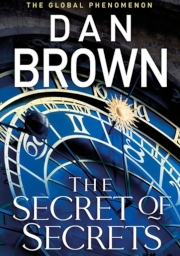
Books in English Fiction Non Fiction Comic Teen & Young Adult Main Authors Ken Follett Agatha Christie Stephen King Jane Austen Maggie O’Farrell On sale
Books in English for Young Adults Age 13+ Age 15+ Young Adult Authors Rebecca Yarros Sarah J. Maas Brandon Sanderson Ali Hazelwood Alice Oseman



The Secrets Of Secrets
A thrilling and long-awaited new novel from Dan Brown
Audiolibros
Literatura Contemporánea Narrativa fantástica Novela de ciencia ficción Novela de terror Novela histórica Novela negra Novela romántica y erótica Historia Historia universal
Humanidades Autoayuda y espiritualidad Ciencias humanas Economía y empresa Psicología y pedagogía Filosofía Infantil Audiolibros infantiles
Ciencia y tecnología Ciencias naturales Divulgación científica Medicina Salud y dietas Arte Cine Música Historia del arte
eBooks
Literatura Contemporánea Narrativa fantástica Novela de ciencia ficción Novela de terror Novela histórica Novela negra Novela romántica y erótica Juvenil Más de 13 años Más de 15 años Infantil eBooks infantiles
Humanidades Autoayuda y espiritualidad Ciencias humanas Economía y Empresa Psicología y Pedagogía Filosofía Historia Historia de España Historia Universal Arte Cine Música Historia del arte
Ciencia y tecnología Ciencias naturales Divulgación científica Medicina Salud y dietas Filología Estudios lingüísticos Estudios literarios Historia y crítica de la Literatura Estilo de vida Cocina Guías de viaje Ocio y deportes


eBooks de , página 119 de 358
Categorias
Filtros
Del 2361 al 2380 de 7159
FLETCHER, COLIN
epubli 9783565325368
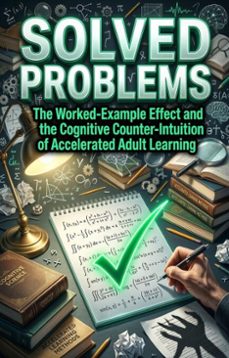
The dominant philosophy in modern education insists that struggle is the best teacher. We are told that handing students the answers makes them lazy, and that true mastery only comes from solving complex problems from scratch through trial and error. But cognitive science has proven that this approach fundamentally misunderstands the bandwidth of the human brain.The Worked-Example Effect is a counter-intuitive phenomenon demonstrating that novices learn significantly faster when they study fully solved problems rather than trying to solve them. When a beginner wrestles with a new concept, the sheer effort of searching for the solution overwhelms their working memory, leaving zero cognitive capacity to actually encode the underlying principles. By providing the step-by-step solution upfront, the brain bypasses the anxiety of the search and allocates all its energy to understanding the structure of the logic. Struggle is only productive once the foundational framework has been installed.This guide dismantles the cult of unguided discovery and explores the practical application of Cognitive Load Theory. It reveals why traditional training programs cause burnout and how to restructure knowledge transfer for maximum retention.You will learn to hack your own learning process, utilizing solved examples to rapidly bypass the frustrating beginners plateau and accelerate your path to true expertise.
Ver más
eBook
COLTON, MAYA
epubli 9783565324699
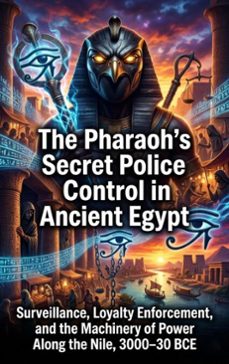
The image of ancient Egypt most familiar to modern audiences centers on monuments, gods, and dynastic splendor. Less examined is the administrative and coercive infrastructure that made those achievements possible the networks of scribes, informants, border guards, and judicial officials through whom pharaohs monitored, disciplined, and controlled a population spread across thousands of kilometers of the Nile Valley.This book reconstructs the mechanisms of state control in ancient Egypt through papyrus administrative records, legal documents, tomb inscriptions, and archaeological evidence from police posts, border fortresses, and workers villages. It examines how the Egyptian state tracked population movement, investigated tomb robbery, suppressed labor unrest, monitored foreign nationals, and enforced loyalty among provincial officials whose distance from the capital made oversight structurally difficult.The narrative traces how control mechanisms evolved across three thousand years of pharaonic history from the centralized bureaucracy of the Old Kingdom through the decentralized instability of intermediate periods to the sophisticated administrative apparatus of the New Kingdom. It pays particular attention to the Medjay, the elite paramilitary force that served successive dynasties as border patrol, internal security, and royal protection, and to the village of Deir el-Medina, whose unusually complete documentary record offers rare insight into surveillance and dispute resolution at the community level.A carefully sourced account of how one of historys longest-lasting states maintained order and what that tells us about the relationship between power, loyalty, and coercion in complex societies.
Ver más
eBook

JENSEN, CLARA
epubli 9783565322541
When Mahsa Amini died in the custody of Irans morality police in September 2022, the grief that followed was not new but the response was. Women removed their headscarves in public. Schoolgirls chanted against the Supreme Leader. Men stood alongside them in streets from Tehran to Zahedan. The slogan "Woman, Life, Freedom" became the most powerful expression of dissent the Islamic Republic had faced since its founding.This book reconstructs Irans uprising as a historical event with deep roots and far-reaching consequences. It traces the decades of accumulated frustration economic collapse, generational alienation, and the systematic erosion of womens rights that transformed a single death into a national reckoning. It examines how the protest movement organized across ethnic and class lines, how the regime calibrated its response between lethal force and strategic concession, and why the uprising did not fall silent even after the executions began.Drawing on survivor testimony, social media archives, human rights documentation, and opposition networks, this is a rigorous and respectful account of a generation that chose the streets over silence and what their courage revealed about the limits of theocratic power.
Ver más
eBook
Hope Edizioni 9788855319980
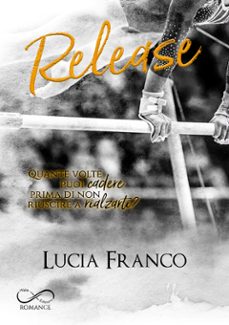
Kova mi ha mentito, e sono stata lultima a scoprire la verita.La delusione e cocente, ma non permettero che mi rallenti, che mi allontani dal mio sogno, anche se dovro raggiungerlo da sola.In palestra, lui e ancora al mio fianco, e questo rende tutto piu difficile. I risultati, pero, cominciano ad arrivare. Il brivido del podio e di quellobiettivo sempre piu vicino e tale che ignoro i segnali. La fatica. I dolori. Sono sempre stati il prezzo da pagare per i duri allenamenti, tutto qui. Non puo esserci altro, non voglio che ci sia altro.Ancora una volta, pero, la verita ha la brutta abitudine di rincorrerti fino a raggiungerti e mandarti al tappeto. Togliendoti quello che pensavi di avere.Questa e una battaglia che non posso vincere da sola. Ho bisogno di lui, anche se Kova non potra mai essere mio.Release e un taboo romance con un forte age gap, terzo romanzo dellacclamata serie Off Balance.
Ver más
eBook

CLXBX 9787251125362
Confessions by Jean-Jacques Rousseau is one of the most influential autobiographies ever written and a landmark work in the history of literature. Written in the eighteenth century, this deeply personal narrative offers an extraordinary exploration of a mans inner life, revealing his thoughts, emotions, triumphs, and failings with a level of honesty that was revolutionary for its time.In this remarkable work, Rousseau sets out to present a complete and truthful portrait of himself, declaring his intention to reveal his character exactly as it wasboth admirable and flawed. Beginning with his childhood in Geneva, he recounts the experiences that shaped his personality, from moments of innocence and curiosity to episodes of rebellion, ambition, love, and regret. Through vivid storytelling and emotional reflection, he traces his journey through youth, education, friendships, romances, and intellectual development.As the narrative unfolds, readers witness Rousseaus transformation from a sensitive and restless young man into one of the most influential thinkers of the Enlightenment. He describes his travels across Europe, his encounters with notable figures of his time, and the struggles he faced in gaining recognition for his ideas. Along the way, he reflects on themes such as human nature, personal freedom, morality, social judgment, and the search for authenticity.What makes Confessions truly unique is its fearless self-examination. Rousseau does not shy away from revealing his weaknesses, mistakes, and controversial actions. Instead, he presents them openly, inviting readers to judge him honestly. This candid approach created a new literary form that emphasized individual experience and emotional truth, inspiring generations of writers and shaping the modern concept of autobiography.Beyond the story of a single life, the book also offers a fascinating window into the intellectual and cultural world of eighteenth-century Europe. Rousseaus reflections illuminate the social conventions, philosophical debates, and political tensions of his era, making the narrative both personal and historically significant.At its heart, Confessions is a powerful exploration of identity and self-understanding. Rousseaus passionate voice and unfiltered introspection invite readers to consider the complexities of the human soul and the courage required to confront ones own truth.Bold, intimate, and profoundly influential, Confessions remains a timeless classic that continues to captivate readers with its honesty, emotional depth, and enduring quest to understand the human self.
Ver más
eBook
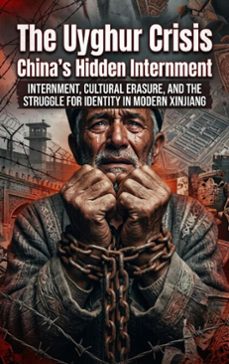
epubli 9783565324224
Since 2017, credible reports from journalists, researchers, and survivors have documented the mass detention of Uyghur Muslims in Xinjiang, northwestern Chinaa campaign Chinese authorities describe as vocational training, but which critics and international bodies have characterized as systematic cultural suppression. At its peak, estimates suggest over one million people were held in detention facilities without trial, separated from families, and subjected to political indoctrination.This book examines the Uyghur crisis through survivor testimony, leaked government documents, satellite imagery analysis, and independent investigative reporting. It traces the historical relationship between Beijing and Xinjiangs indigenous Uyghur population, the post-2001 security framework that enabled mass internment, and the international communitys fragmented response.Rather than reducing this crisis to geopolitical rivalry, the narrative centers the human costthe broken families, suppressed language, demolished mosques, and enforced silence that define daily life under surveillance. It asks how modern states construct legal and bureaucratic architecture to justify detention at scale, and why the international response has remained so inconsistent.A rigorous, ethically grounded account of one of the twenty-first centurys most documented yet least understood humanitarian emergencies.
Ver más
eBook
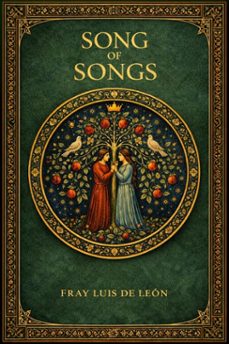
Legorreta 7502319079997
Song of Songs is one of the most poetic and unusual books of the Bible. Unlike many other biblical texts, it focuses on the celebration of love between two lovers. The work is written as a series of lyrical dialogues and poems in which a woman and her beloved express their admiration, longing, and devotion for one another. Through rich imagery drawn from nature, gardens, and the beauty of the human body, the poem portrays romantic love as something powerful, joyful, and deeply emotional. The lovers praise each others beauty and describe their desire to be together, while friends and companions occasionally appear as part of the poetic dialogue. Although traditionally attributed to King Solomon, the text has long been interpreted in different ways. Some readers see it as a literal celebration of human love, while others understand it as an allegory of the relationship between God and Israel, or between Christ and the Church. Because of its sensual imagery and poetic language, Song of Songs stands out within biblical literature as a timeless expression of love, beauty, and devotion.
Ver más
eBook
CLXBX 9783275764860
The Prince by Niccolo Machiavelli is one of the most influential works of political thought ever written. Composed in the early sixteenth century during the turbulent period of the Italian Renaissance, this groundbreaking treatise examines the nature of political power and offers practical advice on leadership, governance, and the realities of ruling a state.Written as a guide for rulers, the book explores how a leader can gain power, maintain authority, and navigate the complex challenges of governing. Drawing on historical examples from ancient Rome, classical history, and contemporary Italian politics, Machiavelli analyzes the strategies used by successful rulers and the mistakes that have led others to downfall.At the center of the work is Machiavellis belief that political leadership requires a clear understanding of human nature, power, and circumstance. He argues that effective rulers must be prepared to act decisively, adapt to changing conditions, and sometimes make difficult or morally complex decisions in order to preserve stability and protect the state.The book famously discusses the balance between virtuthe qualities of strength, skill, and determination in a rulerand fortuna, the unpredictable forces of chance that influence political events. According to Machiavelli, a capable leader must learn to manage both, using intelligence and strategic judgment to shape outcomes whenever possible.Throughout the text, Machiavelli examines different forms of political authority, including hereditary rule, newly acquired territories, and the role of military power in securing and defending a state. His observations emphasize the importance of discipline, strong institutions, and the loyalty of citizens and soldiers.Although controversial for its candid discussion of political strategy, The Prince has become a foundational work in the study of political science and leadership. Its ideas have influenced generations of thinkers, statesmen, and scholars, sparking ongoing debate about ethics, power, and the responsibilities of leadership.Clear, direct, and intellectually provocative, The Prince remains a timeless exploration of political realism, leadership, and the complex dynamics of power. More than five centuries after it was written, Machiavellis insights continue to shape discussions about governance, strategy, and the nature of authority.
Ver más
eBook

CLXBX 9787009360946
Lazarillo de Tormes is a groundbreaking work of Spanish literature and one of the earliest and most influential examples of the picaresque novel. First published in 1554 and written by an unknown author, this remarkable story presents a vivid and often humorous portrait of life in sixteenth-century Spain through the eyes of a clever and resourceful young boy struggling to survive.The narrative is told in the form of a personal account by Lazaro, a poor boy born into a life of hardship. From an early age, he is forced to fend for himself in a society marked by poverty, inequality, and hypocrisy. Determined to survive, Lazaro enters the service of a series of masters, each representing a different part of Spanish society.As he moves from one employer to anotherincluding a blind beggar, a miserly priest, and a struggling noblemanLazaro learns to rely on his wit, adaptability, and cunning to endure difficult circumstances. Each episode of his life reveals new challenges and absurdities, highlighting the stark contrast between outward respectability and hidden corruption.Through Lazaros adventures, the story offers a sharp and satirical critique of social institutions and the behavior of those in positions of authority. The narrative exposes the hypocrisy, greed, and moral contradictions found within various levels of society, particularly among individuals who claim moral or religious superiority while acting otherwise.Despite the hardships he faces, Lazaro develops a practical understanding of the world. His experiences shape him into a survivor who learns how to navigate a society where appearances often matter more than honesty. The story blends humor, realism, and irony, creating an engaging narrative that reveals deeper truths about human nature and social structures.Beyond its entertaining episodes, Lazarillo de Tormes holds a special place in literary history. It introduced a new kind of storytelling centered on an ordinary individual rather than a heroic figure, paving the way for the development of the modern novel and influencing countless writers across Europe.Sharp, witty, and socially insightful, Lazarillo de Tormes remains a timeless exploration of survival, cleverness, and the realities of life at the margins of society. Its lively narrative and bold social commentary continue to captivate readers more than four centuries after its first publication.
Ver más
eBook

CLXBX 9785992022490
Jerusalem Delivered by Torquato Tasso is one of the greatest epic poems of the Italian Renaissance, combining heroic adventure, romance, and spiritual devotion within a grand historical narrative. First published in 1581, this celebrated work recounts the dramatic events of the First Crusade, portraying the struggle for the holy city of Jerusalem through a rich tapestry of warriors, lovers, sorcerers, and legendary heroes.The poem centers on the Christian army led by the noble commander Godfrey of Bouillon, who is determined to capture Jerusalem and bring the long campaign to victory. As the crusaders march toward their goal, they face powerful enemies, internal conflicts, and supernatural forces that threaten to divide and weaken their cause.Among the many unforgettable characters is Rinaldo, a brave and passionate knight whose strength and courage make him one of the greatest champions of the crusading forces. His journey becomes one of the poems most dramatic threads, particularly when he is enchanted by the beautiful sorceress Armida, who seeks to lure him away from his mission. Their complex relationship blends romance, magic, and emotional conflict, adding depth and tension to the epic narrative.Throughout the poem, Tasso masterfully intertwines numerous stories of love, rivalry, bravery, and sacrifice. Knights battle on the field of war, heroes confront enchanted forests and magical spells, and noble warriors struggle between duty and personal desire. These adventures unfold against the backdrop of the crusaders ultimate goalthe liberation of Jerusalem.Tassos poetry combines the grandeur of classical epics with the emotional richness of Renaissance literature. His vivid imagery, dramatic scenes, and lyrical language create a world filled with heroic courage, spiritual struggle, and imaginative wonder. The poem explores themes such as faith, honor, temptation, redemption, and the tension between passion and duty.Beyond its thrilling battles and romantic episodes, Jerusalem Delivered reflects the cultural and religious ideals of its time, portraying the crusading campaign as both a historical conflict and a spiritual quest. At the same time, the poem reveals the human emotions and inner struggles that shape the destinies of its characters.Magnificent in scope and rich in storytelling, Jerusalem Delivered stands as one of the great achievements of Renaissance epic poetry. Torquato Tassos masterpiece continues to captivate readers with its heroic vision, poetic beauty, and timeless exploration of courage, faith, and love.
Ver más
eBook
KAUTILYA
CLXBX 9781570268762
Arthashastra by Kautilya (also known as Chanakya) is one of the most important and influential works on political strategy, governance, and economic administration from the ancient world. Written more than two thousand years ago in ancient India, this remarkable treatise offers a detailed guide to statecraft, leadership, diplomacy, and the management of a powerful and stable kingdom.Kautilya, the renowned scholar and advisor to Chandragupta Maurya, composed this work as a practical manual for rulers and administrators. Drawing on his deep understanding of politics, economics, law, and military organization, he presents a comprehensive framework for governing a prosperous and secure state.The text explores the duties and responsibilities of a ruler, emphasizing discipline, wisdom, and strategic thinking. According to Kautilya, a successful leader must balance authority with intelligence and foresight while ensuring the welfare and stability of the kingdom. The work provides detailed guidance on how a ruler should manage administration, maintain law and order, and protect the interests of the state.One of the most remarkable aspects of Arthashastra is its systematic analysis of political strategy and diplomacy. Kautilya explains how alliances, negotiations, and intelligence gathering can influence the balance of power between kingdoms. He also discusses the role of espionage and information networks as tools for maintaining security and preventing threats.In addition to political and military matters, the book also addresses economic policy, taxation, trade, agriculture, public works, and the regulation of markets. These sections reveal a sophisticated understanding of how economic strength contributes to the stability and prosperity of a state.The work also outlines legal systems and judicial procedures, emphasizing fairness, accountability, and effective governance. Through these detailed discussions, Kautilya presents a vision of a well-organized state guided by careful planning and strategic leadership.Although written in ancient times, many of the ideas presented in Arthashastra remain relevant to modern discussions about politics, leadership, and public administration. Its insights into power, diplomacy, and governance have drawn comparisons to other influential works on political strategy throughout history.Rich in practical wisdom and historical significance, Arthashastra stands as a foundational text of political thought. It offers readers a fascinating glimpse into the sophisticated ideas of ancient Indian statecraft and remains a timeless study of leadership, strategy, and the art of governing a nation.
Ver más
eBook
KENKŌ, YOSHIDA
CLXBX 9783052416760
Essays in Idleness by Yoshida Kenk is one of the most treasured works of classical Japanese literature, a timeless collection of reflections that captures the beauty, simplicity, and fleeting nature of life. Written in the fourteenth century by the Buddhist monk and courtier Yoshida Kenk, this remarkable work offers a series of short observations and meditations on human experience, nature, culture, and the passing of time.Composed of brief and often contemplative passages, the book invites readers into the quiet inner world of its author. Rather than following a single narrative, the work presents a collection of thoughts, anecdotes, and reflections written during moments of leisure and contemplation. Each entry reveals Kenks keen eye for detail and his deep appreciation for the subtle beauty found in everyday life.Through these reflections, Kenk explores themes such as impermanence, simplicity, beauty, and the changing nature of human fortune. Influenced by Buddhist philosophy and the aesthetic traditions of medieval Japan, his writing celebrates the idea that lifes most meaningful moments often lie in quiet observation and thoughtful reflection rather than in grand achievements.Many passages focus on the natural worldfalling blossoms, quiet gardens, changing seasons, and the delicate atmosphere of twilight. These images become symbols of lifes transience, reminding readers that beauty is often most powerful because it does not last forever.At the same time, Kenk reflects on human behavior, social customs, and the complexities of daily life. With gentle humor and thoughtful insight, he comments on the habits of people, the rituals of courtly society, and the lessons that can be learned from ordinary experiences.The work is also closely connected to the Japanese aesthetic principle often described as finding beauty in imperfection and impermanence. Kenks observations encourage readers to appreciate the quiet elegance of incomplete things, fading moments, and the natural flow of time.Elegant, reflective, and deeply philosophical, Essays in Idleness has influenced generations of writers, artists, and thinkers in Japan and around the world. Its timeless wisdom continues to resonate with readers seeking a slower, more thoughtful perspective on life.Gentle, poetic, and profoundly insightful, this classic invites readers to pause, observe, and rediscover the quiet beauty present in the ordinary moments of everyday existence.
Ver más
eBook
CLXBX 9782173866782
Romance of the Three Kingdoms by Luo Guanzhong is one of the most celebrated works of classical Chinese literature and a monumental epic that has shaped storytelling in East Asia for centuries. Written in the fourteenth century, this sweeping historical novel dramatizes the turbulent period at the end of the Han dynasty when rival warlords struggled for power and the land was divided into three competing states.Set during a time of political chaos and military conflict, the story follows the rise and fall of kingdoms and the legendary figures who shaped their destinies. As the once-powerful Han dynasty collapses, ambitious leaders and brilliant strategists emerge, each seeking to unite the realm under their rule. Alliances are forged, betrayals unfold, and battles of strategy and courage determine the fate of nations.At the heart of the narrative are unforgettable heroes such as Liu Bei, the virtuous leader devoted to restoring order; Guan Yu, celebrated for his loyalty and martial honor; and Zhang Fei, known for his fierce courage and fiery spirit. Alongside them stands the brilliant strategist Zhuge Liang, whose intelligence and tactical genius become legendary throughout Chinese history.Opposing them are powerful rivals such as Cao Cao, a complex and ambitious leader whose cunning and determination make him one of the most formidable figures in the struggle for power. Through these characters and many others, the novel portrays a world where loyalty, ambition, wisdom, and bravery shape the course of history.The narrative moves through dramatic military campaigns, political intrigue, heroic duels, and clever strategies that have fascinated readers for centuries. From legendary battles to daring alliances, the story illustrates how intelligence and character can influence the rise and fall of entire kingdoms.Beyond its thrilling action, Romance of the Three Kingdoms explores enduring themes such as loyalty, honor, leadership, strategy, and the complex nature of power. It reflects traditional Chinese values while presenting a rich tapestry of personalities whose strengths and flaws reveal the challenges of leadership and governance.Blending historical events with legend and literary imagination, the novel has inspired countless works of literature, theater, film, and modern media. Its characters and stories remain deeply embedded in Chinese culture and continue to captivate audiences around the world.Epic in scale and timeless in its themes, Romance of the Three Kingdoms stands as one of the greatest historical novels ever writtena sweeping saga of war, strategy, loyalty, and the quest to shape the destiny of a nation.
Ver más
eBook

epubli 9783565322688
In 1974, the United States and Saudi Arabia struck an arrangement that would quietly govern the global economy for half a century: oil would be priced and sold in dollars, and in exchange, Washington would guarantee Gulf security. The petrodollar system was never formalized in a treaty, never voted on by any legislature, and never explained to the billions of people whose lives it shaped. It simply became the architecture beneath everything.This book examines what happens when that architecture begins to crack. It traces the original petrodollar bargain through its Cold War logic, its post-1991 expansion, and the growing strains introduced by US shale independence, Gulf diversification strategies, and Chinas emergence as the worlds largest oil importer. It follows Saudi Arabias quiet negotiations with Beijing over yuan-denominated oil contracts, the acceleration of Gulf sovereign wealth fund diversification, and the technical groundwork being laid for commodity settlement systems that bypass dollar intermediation entirely.Drawing on energy economics, diplomatic history, and monetary policy analysis, this is a measured and rigorous account of a transition already underway and what a post-petrodollar world would mean for American power, global inflation, and the countries whose dollar reserves could become tomorrows stranded assets.
Ver más
eBook
CLXBX 9785333650528
The Tale of the Heike is one of the greatest masterpieces of classical Japanese literature, an epic chronicle that captures the dramatic rise and fall of powerful warrior clans during one of the most turbulent periods in Japans history. Written by anonymous authors in the thirteenth century and passed down through generations of storytellers, this remarkable work blends history, legend, and poetic reflection into a powerful narrative about war, honor, and the fleeting nature of glory.The story centers on the Genpei War, a fierce conflict between two rival clansthe powerful Taira (Heike) family and their enemies, the Minamoto (Genji) clan. At the height of their power, the Taira dominate the imperial court and control much of the political life of Japan. Yet their success brings arrogance and internal divisions, setting the stage for a dramatic downfall.Through a series of vivid episodes, the narrative follows the warriors, nobles, monks, and families whose lives are shaped by the unfolding conflict. Readers witness grand battles at sea and on land, heroic duels between legendary samurai, and the emotional struggles of individuals caught between loyalty, ambition, and fate.One of the most memorable figures in the story is Taira no Kiyomori, the ambitious leader whose rise to power symbolizes the clans strength and influence. As the conflict intensifies, other heroic warriors emerge on both sides, each embodying the ideals of courage, loyalty, and sacrifice that defined the warrior culture of medieval Japan.Beyond its dramatic battles and political intrigue, The Tale of the Heike carries a profound philosophical message rooted in Buddhist teachings about impermanence. The famous opening lines remind readers that all thingspower, wealth, and human life itselfare temporary. The triumph of one generation inevitably gives way to the decline of another.The narrative blends action with moments of quiet reflection, portraying not only the glory of warriors but also the sorrow and loss that accompany conflict. Stories of bravery stand alongside scenes of grief, exile, and spiritual contemplation, creating a deeply human portrait of an era defined by both honor and tragedy.Rich in historical detail, cultural tradition, and poetic storytelling, The Tale of the Heike has shaped Japanese literature, theater, and cultural memory for centuries. Its timeless themes of loyalty, ambition, fate, and the impermanence of worldly power continue to resonate with readers around the world.Epic in scope and deeply reflective in spirit, The Tale of the Heike remains a powerful story of heroism, downfall, and the enduring lessons of history.
Ver más
eBook
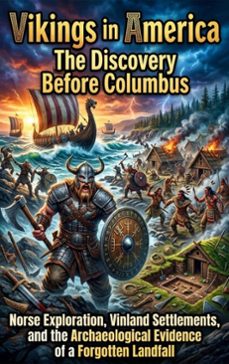
epubli 9783565324613
Five centuries before Columbus crossed the Atlantic, Norse sailors had already walked the shores of North America. The sagas called it Vinland a land of timber, wild grapes, and fierce indigenous resistance and for decades historians treated these accounts as legend. The 1960 excavation of LAnse aux Meadows in Newfoundland changed that permanently, producing the first confirmed archaeological evidence of European presence in the Americas predating 1492.This book reconstructs the Norse Atlantic expansion through the Vinland Sagas, Icelandic chronicles, and four decades of archaeological fieldwork tracing the voyages of Leif Eriksson, Thorvald, and Gudrid Thorbjarnardottir across Greenland and into the North American coastline. It examines what the Norse found, how they interacted with indigenous Beothuk and Dorset peoples, and why their settlements ultimately did not survive.The narrative situates Vinland within the broader pattern of Viking expansion: the same restless navigational culture that reached Iceland, Greenland, Constantinople, and Baghdad also touched the Americas driven by the same combination of overpopulation, trade ambition, and extraordinary seafaring capability. It also examines what the Norse failure to establish permanent settlements reveals about the limits of expansion without the demographic and institutional support that later European colonization would bring.A rigorously sourced account of a genuine historical discovery, and of the long process by which archaeology finally confirmed what the sagas had preserved.
Ver más
eBook

epubli 9783565322442
When images from Gaza flooded screens worldwide in 2024, they triggered one of the most intense global reactions in recent memory. Governments fractured along geopolitical lines. University campuses erupted in protest. Newsrooms debated what to show and what to omit. Social media algorithms shaped what millions sawand what they didnt.This book traces the worlds response to the Gaza conflict not as a single unified reaction, but as a fragmented, contested, and deeply revealing set of struggles over narrative, power, and moral responsibility. Drawing on protest records, media analysis, parliamentary debates, and firsthand testimony, it examines how institutionsfrom the UN to major broadcastersnavigated a conflict that demanded clarity while defying easy categorization.More than a chronicle of events, this is a study of how modern societies process war: through screens, streets, and political chambers. It asks what the global reaction to Gaza reveals about the current state of international solidarity, media accountability, and the limits of institutional power.
Ver más
eBook

LONG, JAMES J.
epubli 9783565324682
Before the Allies could storm the beaches of Normandy, they had to win a shadow war of pure imagination. The greatest weapon deployed in the weeks leading up to D-Day was not made of steel or explosives, but of rubber, canvas, and meticulously crafted lies.Operation Fortitude was a massive, unprecedented counterintelligence campaign designed to convince the German High Command that the main invasion force would strike at Pas de Calais. To sell this illusion, the Allies conjured an entirely fictional army group out of thin air. They built sprawling camps filled with inflatable tanks, fake wooden airplanes, and bogus artillery, all positioned to be photographed by enemy reconnaissance.This historical investigation reveals the brilliant minds and absurd logistics behind the greatest military bluff of the twentieth century. You will learn how sound engineers blasted recordings of troop movements through giant speakers, and how double agents fed a steady stream of poisoned intelligence directly to Berlin, paralyzing the German defense.Explore the fascinating mechanics of wartime deception. Understand how psychological manipulation and strategic theater saved thousands of lives and ultimately altered the entire trajectory of the Second World War.
Ver más
eBook
CLXBX 9782075298315
Moll Flanders by Daniel Defoe is a remarkable classic of English literature that tells the extraordinary life story of a woman determined to survive and prosper in a harsh and unforgiving society. First published in 1722, the novel presents a vivid and often controversial portrait of ambition, survival, morality, and redemption in eighteenth-century England.The story follows the life of Moll Flanders, a woman born in prison and left to navigate a world that offers few opportunities for someone of her background. From a young age, Moll learns that survival often requires wit, adaptability, and bold decisions. Determined to escape poverty, she pursues security and status through a series of marriages, relationships, and calculated choices that shape the course of her life.As Moll moves through different stages of societyfrom servant to gentlewoman, from respectable wife to skilled thiefher life becomes a fascinating tale of resilience and reinvention. She experiences love, betrayal, wealth, poverty, and danger while continually striving to secure her independence in a world dominated by strict social expectations and limited options for women.Daniel Defoe crafts Moll as a complex and unforgettable characterclever, resourceful, flawed, and deeply human. Through her confessions and reflections, readers gain insight into the difficult moral choices she faces as she attempts to balance ambition with conscience. The narrative captures the excitement and uncertainty of a life lived on the edge of respectability, where fortune can change suddenly and survival depends on courage and cunning.Beyond its compelling story, Moll Flanders offers a powerful glimpse into the social realities of early modern England. The novel explores themes such as poverty, crime, social mobility, gender inequality, and the pursuit of redemption, making it both a gripping narrative and a thought-provoking commentary on society.Rich in detail and psychological depth, the novel is widely regarded as one of the earliest examples of the modern English novel. Defoes realistic storytelling and vivid depiction of everyday life bring Molls world to life, drawing readers into a dramatic journey filled with adventure, moral conflict, and unexpected transformation.Both daring and deeply reflective, Moll Flanders remains a timeless story about ambition, resilience, and the human capacity for change, continuing to captivate readers centuries after its first publication.
Ver más
eBook

CLXBX 9784374750556
Fuenteovejuna by Lope de Vega is one of the most celebrated plays of the Spanish Golden Age and a powerful work of classical drama that explores justice, unity, and resistance against tyranny. Written in the early seventeenth century and inspired by historical events, the play tells the remarkable story of a community that stands together in the face of oppression.The drama is set in the small Spanish village of Fuenteovejuna, where the local people live under the authority of a cruel and abusive military commander. Using his power without restraint, the commander mistreats the villagers, abuses his authority, and disrupts the peace and dignity of the community. His actions particularly target the honor and safety of the villages women, creating a growing atmosphere of anger and fear.As the injustice becomes unbearable, the villagersfarmers, families, and neighborsbegin to unite in their determination to defend their dignity and restore justice. In a moment of collective courage, the people rise together against the tyrannical ruler. Their act of resistance becomes a powerful symbol of solidarity and shared responsibility.When royal authorities later investigate the uprising, the villagers demonstrate extraordinary unity. Each person questioned gives the same answer: "Fuenteovejuna did it." By refusing to accuse any single individual, the entire community protects one another and stands together as a single voice.Through this dramatic story, Lope de Vega explores themes such as collective justice, honor, dignity, and the strength of community in confronting injustice. The play celebrates the power of unity and portrays ordinary people as capable of extraordinary courage when they defend their rights and values.Blending historical narrative with emotional drama and moments of humor and romance, Fuenteovejuna reflects the vibrant theatrical tradition of Spains Golden Age. Lope de Vegas dynamic dialogue and vivid characters bring the village and its people to life, creating a work that is both entertaining and deeply meaningful.A timeless story of courage and solidarity, Fuenteovejuna remains one of the most powerful dramatic works in Spanish literature, reminding readers and audiences alike of the enduring strength that can arise when a community stands together against injustice.
Ver más
eBook
......
Del 2361 al 2380 de 7159